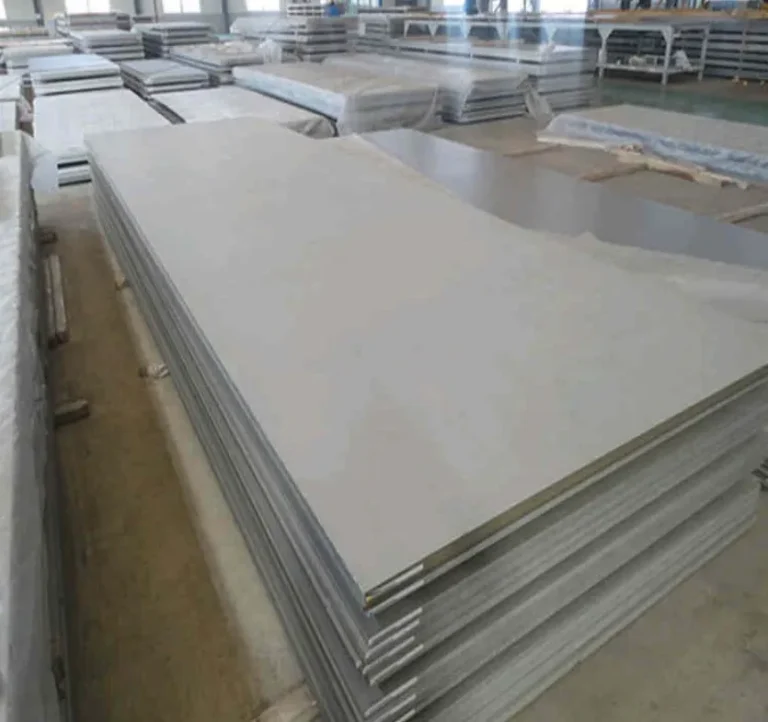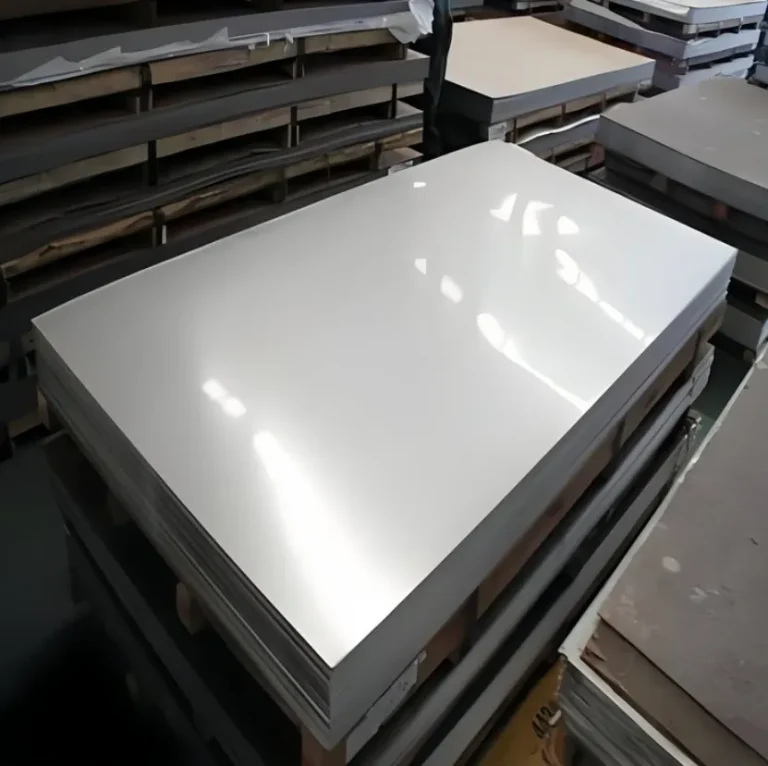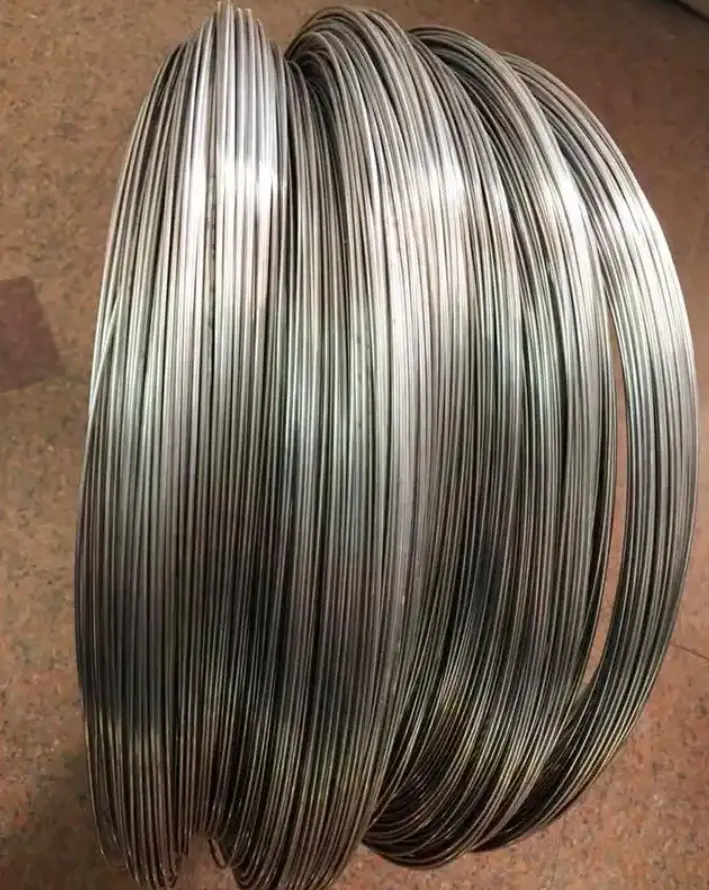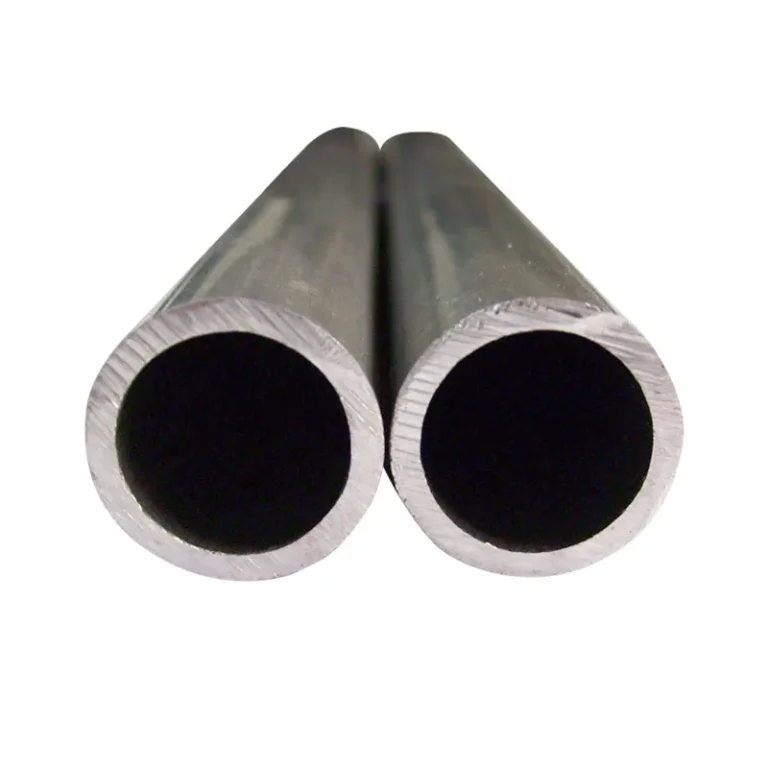

Inconel 601 tube manufactured to ASTM B167 delivers exceptional oxidation resistance up to 1,250°C (2,282°F), making it the preferred tubular product for radiant tubes, heat treatment furnace components, and thermal processing equipment where standard stainless steels fail within months. At MWalloys, we stock Inconel 601 tubes across a full size range and ship globally with lead times as short as 3–5 business days for standard dimensions.
If your project requires the use of Inconel 601 Tube, you can contact us for a free quote.
What Is Inconel 601 Tube and What Makes It Different from Other Nickel Alloy Tubes?
Inconel 601 tube is a seamless or welded tubular product made from UNS N06601 nickel-chromium-aluminum alloy, specifically engineered to withstand continuous and cyclic high-temperature exposure in both oxidizing and reducing atmospheres. Unlike most high-temperature alloys that rely solely on chromium for oxidation protection, Inconel 601 adds aluminum at 1.0–1.7% by weight, which triggers the formation of a tenacious, self-healing aluminum oxide (Al₂O₃) sublayer beneath the primary chromium oxide (Cr₂O₃) scale. This dual-layer protective mechanism is what sets 601 apart from the far more common Inconel 600 and gives it a decisive oxidation resistance advantage above 1,100°C.
The alloy was originally developed by Huntington Alloys (now Special Metals Corporation, a PCC company) and introduced commercially in the late 1960s. Its UNS designation is N06601, and it is also registered as Werkstoff Nr. 2.4851 under the German DIN standard, NiCr23Al under the ISO classification, and NA49 in the British BS standard. All of these designations refer to essentially the same alloy, though minor compositional latitude differences between standards can affect specific mechanical property values.
What most buyers understand quickly when they start working with this material is that Inconel 601 tube is not chosen because it is cheap. It costs significantly more per pound than 310 stainless steel or even some other nickel alloys. It is chosen because nothing in a comparable price range survives what it survives. We regularly see applications where a buyer tried 310 stainless tube, then Inconel 600 tube, before finally reaching the conclusion that 601 is the right specification for their process. Each substitution attempt taught the same lesson: you cannot compromise on aluminum content when the operating temperature exceeds 1,100°C in a cyclic environment.
What Are the ASTM B167 Specifications for Inconel 601 Seamless Tube?
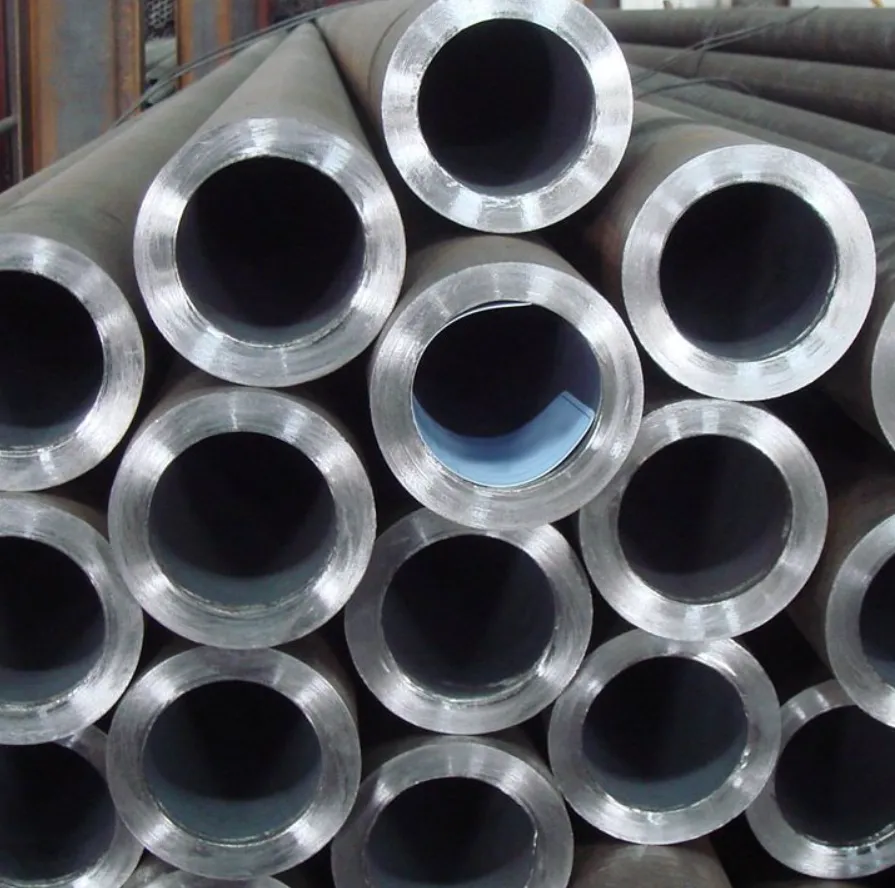
ASTM B167 is the primary governing standard for seamless nickel-chromium and nickel-chromium-iron alloy pipe and tube. It covers multiple UNS alloy designations, and Inconel 601 (UNS N06601) is one of the alloys explicitly included in its scope. The standard specifies requirements for chemical composition, mechanical properties, dimensional tolerances, heat treatment condition, and testing requirements.
ASTM B167 Specification Summary for Inconel 601 (UNS N06601) Tube
| Specification Parameter | Requirement | Notes |
|---|---|---|
| Governing Standard | ASTM B167 | Seamless pipe and tube |
| UNS Designation | N06601 | Also covered in ASME SB-167 |
| Product Condition | Annealed | Solution annealed and descaled |
| Hydrostatic Test | Required per ASTM B167 Sec. 10 | Or non-destructive electric test |
| Grain Size Requirement | No. 5 or coarser per ASTM E112 | For tube above 0.100 inch wall |
| Mechanical Test Requirement | Tension test per ASTM E8/E8M | One test per lot |
| Chemical Analysis | Per heat and product analysis | Mandatory for all lots |
| Surface Condition | Free of injurious imperfections | Machined, ground, or as-produced |
| Certification | EN 10204 3.1 MTR standard | 3.2 available on request |
| Applicable ASME Code | ASME SB-167 | Pressure vessel and boiler code |
Additional Applicable Standards for Inconel 601 Tubular Products
Beyond ASTM B167, Inconel 601 tube may also be produced and certified to the following standards depending on application:
| Standard | Product Form | Application Context |
|---|---|---|
| ASTM B167 | Seamless tube and pipe | General industrial, heat treatment |
| ASTM B517 | Welded tube and pipe | Lower-cost option for non-critical service |
| ASME SB-167 | Seamless tube (boiler code) | Pressure vessel ASME Section VIII |
| DIN 17751 | Seamless tube | European industrial specification |
| EN 10216-5 | Seamless tube | European pressure equipment directive |
| BS 3074 NA49 | Seamless tube | British standard equivalent |
| AMS 5715 | Bar (related alloy form) | Aerospace specification |
The distinction between ASTM B167 and ASME SB-167 is worth clarifying for buyers working in pressure vessel or boiler applications. ASME SB-167 is essentially ASTM B167 adopted by ASME with additional requirements specific to ASME Boiler and Pressure Vessel Code compliance. When a project specification calls for ASME SB-167, the material must be certified to both the compositional and mechanical requirements of the base ASTM standard and the additional ASME code requirements, which include stricter documentation and traceability provisions.
What Is the Chemical Composition of Inconel 601 and Why Does Aluminum Content Matter?
The chemical composition of Inconel 601 is tightly controlled to achieve its distinctive high-temperature behavior. The three most important elements are nickel (for matrix stability and overall corrosion resistance), chromium (for oxidation and hot corrosion resistance), and aluminum (for the formation of the protective Al₂O₃ subscale that gives the alloy its superior oxidation performance).
Inconel 601 Chemical Composition per ASTM B167 / UNS N06601
| Element | ASTM B167 Limit (wt%) | Typical Value (wt%) | Role |
|---|---|---|---|
| Nickel (Ni) | 58.0 min | 60–63% | Matrix, high-temperature stability |
| Chromium (Cr) | 21.0–25.0% | 22–23% | Primary oxidation barrier (Cr₂O₃) |
| Aluminum (Al) | 1.0–1.7% | 1.2–1.5% | Al₂O₃ subscale, cyclic oxidation protection |
| Iron (Fe) | Balance (~14%) | 13–15% | Cost modifier, solid solution |
| Carbon (C) | 0.10 max | 0.04–0.08% | Controlled for carbide behavior |
| Manganese (Mn) | 1.0 max | 0.3–0.5% | Deoxidizer |
| Silicon (Si) | 0.5 max | 0.2–0.4% | Minor oxidation benefit |
| Sulfur (S) | 0.015 max | Below 0.005% | Controlled impurity |
| Copper (Cu) | 1.0 max | Below 0.1% | Controlled impurity |
Source: ASTM B167-21, Special Metals Corporation Inconel alloy 601 technical bulletin.
Why Aluminum Is the Critical Differentiator
The aluminum content at 1.0–1.7% is what separates Inconel 601 from Inconel 600, which contains no intentional aluminum addition. When exposed to high-temperature oxidizing conditions, the chromium in both alloys forms a Cr₂O₃ scale that provides the first level of protection. In Inconel 600, this is the only protective mechanism, and above approximately 1,050°C, the Cr₂O₃ scale becomes less stable under cyclic thermal conditions (heating and cooling repeatedly causes the scale to crack and spall, exposing fresh metal).
In Inconel 601, the aluminum simultaneously diffuses to the alloy-scale interface and forms a thin, dense Al₂O₃ subscale beneath the Cr₂O₃ outer layer. This subscale has two critical properties: it is extremely slow-growing (meaning it consumes very little metal over time), and it adheres tenaciously to the underlying alloy even through repeated thermal cycling. Research from the Oak Ridge National Laboratory (Pint et al., Oxidation of Metals, 2003) demonstrated that Inconel 601 in cyclic oxidation testing at 1,100°C showed specific mass change rates approximately 4–6 times lower than Inconel 600 under the same conditions, confirming the decisive role of aluminum addition.
For practical buyers, this chemistry difference translates to service life. In a radiant tube application cycling daily between 200°C and 1,150°C, an Inconel 600 tube may require replacement every 18–24 months. An Inconel 601 tube in the same application typically achieves 4–7 years of service life, which is why the higher initial material cost is almost always justified by total lifecycle economics.
What Mechanical Properties Does Inconel 601 Tube Deliver at Room and Elevated Temperatures?
Mechanical property data is critical for engineering calculations involving tube wall thickness, pressure rating, and structural loading. Inconel 601 tube in the annealed condition offers a well-characterized combination of strength and ductility that remains adequate at service temperatures.
Inconel 601 Tube Mechanical Properties at Room Temperature (Annealed, ASTM B167)
| Property | Minimum Requirement | Typical Value |
|---|---|---|
| Tensile Strength | 80,000 psi (550 MPa) min | 95,000–105,000 psi (655–724 MPa) |
| Yield Strength (0.2% offset) | 30,000 psi (205 MPa) min | 35,000–45,000 psi (241–310 MPa) |
| Elongation in 2 inches | 30% min | 38–45% |
| Hardness (Rockwell B) | Not specified (typical) | 80–90 HRB |
| Reduction in Area | Not specified | 50–65% |
Source: ASTM B167, Special Metals Corporation Inconel alloy 601 technical bulletin (SMC-027).
Inconel 601 Elevated Temperature Mechanical Properties
One of the most important engineering data sets for Inconel 601 tube is its strength retention at elevated temperatures. Many applications require the tube to sustain mechanical loads at operating temperature, not just at room temperature.
| Temperature | 0.2% Yield Strength (psi) | Tensile Strength (psi) | Elongation (%) |
|---|---|---|---|
| Room Temp (21°C) | 35,000–45,000 | 95,000–105,000 | 38–45 |
| 200°C (392°F) | 28,000–35,000 | 85,000–95,000 | 40–48 |
| 400°C (752°F) | 22,000–30,000 | 78,000–88,000 | 42–50 |
| 600°C (1,112°F) | 18,000–25,000 | 65,000–78,000 | 45–55 |
| 800°C (1,472°F) | 14,000–20,000 | 48,000–60,000 | 50–60 |
| 1,000°C (1,832°F) | 8,000–12,000 | 22,000–32,000 | 55–70 |
| 1,100°C (2,012°F) | 4,500–7,000 | 12,000–18,000 | 60–75 |
Data adapted from Special Metals SMC-027 technical bulletin and ASM International Metals Handbook, Volume 2.
Creep and Rupture Properties
For applications where tubes operate under sustained stress at high temperature over extended periods, creep and stress rupture data are essential design inputs. Inconel 601 shows meaningful creep resistance relative to iron-based alloys at temperatures above 800°C.
Stress to rupture in 1,000 hours at selected temperatures:
- 871°C (1,600°F): approximately 10,000 psi (69 MPa).
- 982°C (1,800°F): approximately 3,500 psi (24 MPa).
- 1,093°C (2,000°F): approximately 1,000 psi (6.9 MPa).
These values confirm that Inconel 601 tube retains structural integrity under moderate stress at extreme temperatures, which is why it is used in radiant tube applications where the tube must support its own weight and the weight of the conveyed atmosphere while operating continuously at 1,050–1,200°C.
What Sizes and Dimensions Are Available for Inconel 601 Tube?
Dimensional availability is a practical concern that significantly affects project timelines. Not all Inconel 601 tube sizes are stocked by every distributor, and non-standard dimensions can require 8–20 week mill production lead times.
Standard Inconel 601 Seamless Tube Size Range (ASTM B167)
| Outside Diameter (OD) | Wall Thickness Range | Common Wall Schedules | Stock Availability |
|---|---|---|---|
| 1/4 inch (6.35 mm) | 0.028–0.065 inch | Light wall | Limited stock |
| 3/8 inch (9.52 mm) | 0.028–0.083 inch | Light to standard wall | Limited stock |
| 1/2 inch (12.7 mm) | 0.035–0.109 inch | Multiple walls | Good stock |
| 3/4 inch (19.05 mm) | 0.049–0.120 inch | Multiple walls | Good stock |
| 1 inch (25.4 mm) | 0.049–0.148 inch | Multiple walls | Good stock |
| 1.5 inch (38.1 mm) | 0.065–0.200 inch | Multiple walls | Moderate stock |
| 2 inch (50.8 mm) | 0.065–0.218 inch | Sch 10S–40S | Good stock |
| 2.5 inch (63.5 mm) | 0.083–0.276 inch | Standard walls | Moderate stock |
| 3 inch (76.2 mm) | 0.083–0.300 inch | Sch 10S–40S | Moderate stock |
| 4 inch (101.6 mm) | 0.120–0.337 inch | Sch 10S–40S | Limited stock |
| 6 inch (152.4 mm) | 0.134–0.432 inch | Sch 10S–40S | Order basis |
| 8 inch and above | Varies | Per order | Mill production |
Metric Inconel 601 Tube Sizes (Common DIN/EN Dimensions)
| OD (mm) | Wall Thickness (mm) | Standard Length | Market |
|---|---|---|---|
| 6 × 1 mm | 1.0 mm | 6,000 mm | European |
| 10 × 1.5 mm | 1.5 mm | 6,000 mm | European |
| 16 × 2 mm | 2.0 mm | 6,000 mm | European / Asian |
| 20 × 2 mm | 2.0 mm | 6,000 mm | European / Asian |
| 25 × 2.5 mm | 2.5 mm | 6,000 mm | European / Asian |
| 32 × 3 mm | 3.0 mm | 6,000 mm | European / Asian |
| 38 × 3 mm | 3.0 mm | 6,000 mm | European / Asian |
| 50 × 3.5 mm | 3.5 mm | 6,000 mm | European / Asian |
| 76.2 × 4 mm | 4.0 mm | 6,000 mm | Industrial |
| 101.6 × 5 mm | 5.0 mm | 6,000 mm | Industrial |
Standard Length and Tolerance
ASTM B167 specifies tube length in two categories:
- Random lengths: 2 feet (0.61 m) minimum, up to the manufacturer's standard production length, typically 16–24 feet (4.9–7.3 m).
- Fixed lengths: Specific length requested by buyer, with a tolerance of +0/-0.125 inch for lengths up to 24 feet.
Wall thickness tolerance under ASTM B167 is typically ±10% of the nominal wall for hot-finished tube and ±12.5% for cold-drawn tube in standard commercial practice, though tighter tolerances are available on request and carry a price premium.
At MWalloys, our Inconel 601 tube inventory covers OD range from 1/4 inch to 6 inch in the most commonly demanded wall thicknesses, with metric sizes in stock to serve European and Asian customers. Custom lengths and cut-to-size service are available with typical turnaround of 1–3 business days from stock.
How Does Inconel 601 Tube Perform in Oxidizing, Carburizing, and Nitriding Environments?
The high-temperature performance of Inconel 601 tube spans several distinct corrosive atmospheres, and the alloy's behavior varies meaningfully between them. Understanding each environment helps engineers confirm whether 601 is the correct specification or whether an alternative alloy might be superior for a specific process.
Performance in Oxidizing Atmospheres
Inconel 601 tube's maximum continuous service temperature in air or oxidizing atmospheres is approximately 1,250°C (2,282°F), making it one of the highest-rated nickel alloys for oxidation service. The protective Al₂O₃/Cr₂O₃ dual-layer oxide scale remains stable and adherent at this temperature under both static and cyclic conditions.
Oxidation weight gain data from cyclic testing (1-hour cycles) at various temperatures confirms:
- At 1,000°C: weight gain less than 1.0 mg/cm² after 1,000 hours.
- At 1,100°C: weight gain approximately 1.5–3.0 mg/cm² after 1,000 hours.
- At 1,200°C: weight gain approximately 3.0–6.0 mg/cm² after 500 hours.
These figures are dramatically lower than 310 stainless steel, which typically shows 10–25 mg/cm² weight change at 1,100°C under similar cyclic conditions (ASM International Corrosion data).
Performance in Carburizing Atmospheres
Carburizing environments, such as those encountered in heat treatment furnaces processing steel for case hardening, present a different challenge: carbon from the atmosphere diffuses into the alloy surface, forming chromium carbides that deplete the alloy of the chromium it needs for protective scale formation. Inconel 601 shows moderate carburization resistance, significantly better than iron-based alloys but not as outstanding as alloys with higher silicon content (such as some proprietary high-temperature alloys from Sandvik or VDM Metals).
In hydrocarbon-rich atmospheres at 900–1,050°C, Inconel 601 tube shows carbon penetration depths of approximately 0.1–0.3 mm after 1,000 hours, compared to 0.5–1.5 mm for 310 stainless steel under equivalent conditions. For severe carburization service above 1,000°C, Inconel 602CA (UNS N06025, with higher aluminum and yttrium additions) offers superior performance, though at considerably higher cost.
Performance in Nitriding Atmospheres
Nitriding service, where tubes are exposed to ammonia or nitrogen-hydrogen mixtures at 500–600°C, creates conditions where nitrogen diffuses into the alloy surface, potentially forming nitrides and embrittling the material. Inconel 601 shows adequate resistance to nitriding at temperatures below 650°C, where the protective oxide scale inhibits nitrogen ingress. Above 650°C in strongly nitriding conditions, more specialized alloys may be preferred.
Performance in Sulfur-Containing Environments
Inconel 601 tube has limited resistance to sulfur-bearing atmospheres, particularly sulfidizing conditions with low oxygen partial pressure. In mixed oxidizing-sulfidizing atmospheres where SO₂ is present alongside oxygen, the alloy performs reasonably because the oxidizing component supports protective scale formation. However, in purely sulfidizing conditions (high H₂S, low O₂), C276 or Hastelloy B-series alloys are more appropriate choices.
Comparative High-Temperature Performance Summary
| Environment | Inconel 601 Rating | Max Recommended Temp | Relative to 310 SS |
|---|---|---|---|
| Air oxidation (static) | Excellent | 1,250°C | 3–5× better life |
| Air oxidation (cyclic) | Excellent | 1,200°C | 4–6× better life |
| Carburizing | Good | 1,050°C | 2–3× better |
| Nitriding | Good | 650°C | Similar to 316L |
| Sulfidizing | Limited | 750°C | Inferior to C276 |
| Chlorine-bearing gas | Limited | 500°C | Use C276 instead |
| Steam at high temperature | Good | 900°C | 2× better than 310 SS |
What Industries and Applications Use Inconel 601 Tube Most Heavily?
The application base for Inconel 601 tube is broad but concentrated in industries where sustained high-temperature service is the core technical challenge. We ship to customers in virtually every major industrial sector, and the application diversity is one of the most interesting aspects of working with this material.
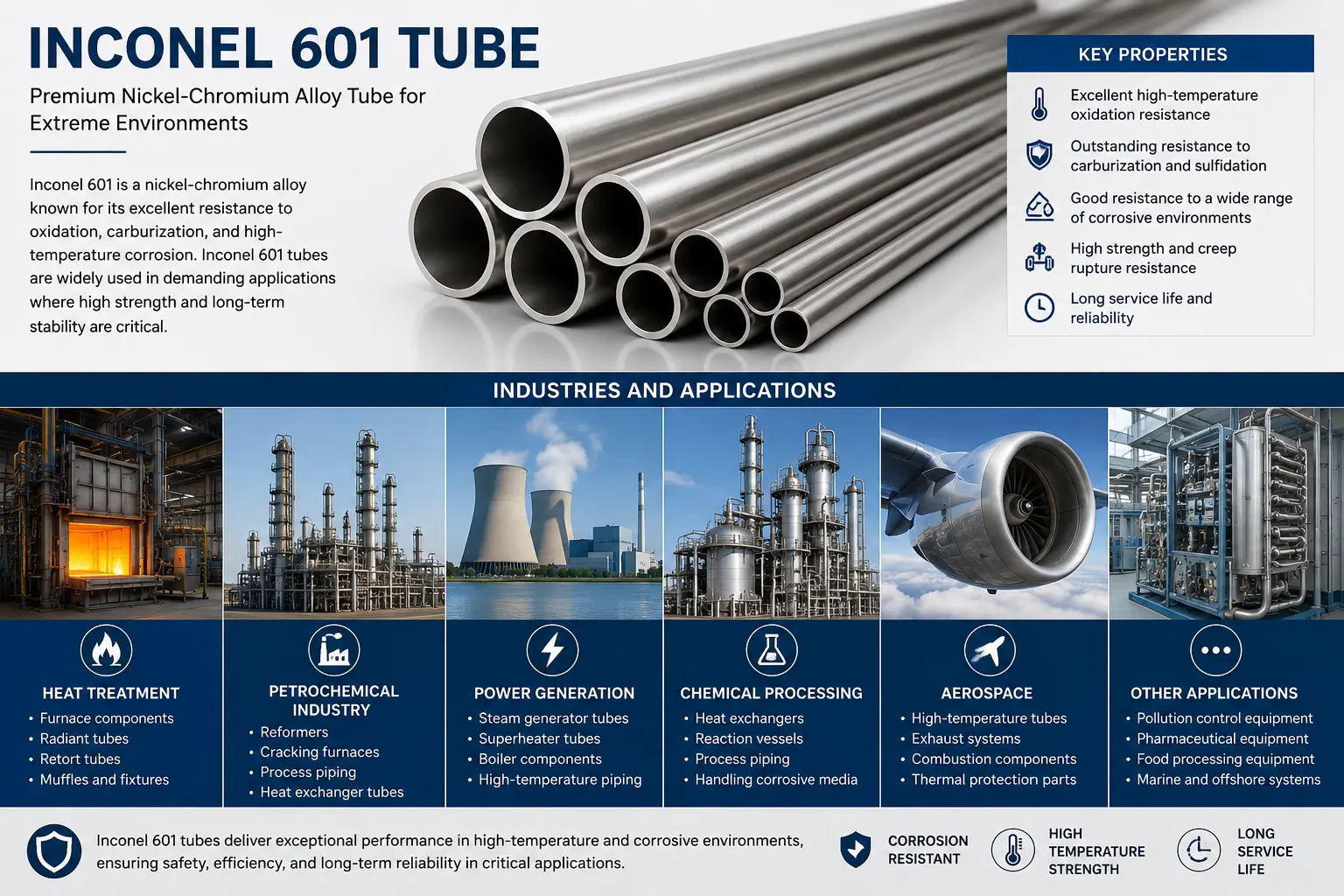
Primary Industries and Specific Applications
Heat Treatment and Industrial Furnace Industry
This is by far the largest market segment for Inconel 601 tube. Radiant tubes used in continuous annealing furnaces, bell-type furnaces, and roller-hearth furnaces represent the application where Inconel 601's oxidation and thermal fatigue resistance deliver the clearest competitive advantage. Radiant tubes are typically constructed from straight Inconel 601 seamless tube sections joined by return bends and fittings, operating continuously at 900–1,150°C while cycling between room temperature and maximum temperature during maintenance shutdowns. The automotive steel industry is the largest consumer of furnace radiant tubes globally, with major press hardening and galvanizing line operators maintaining large standing inventories of Inconel 601 tube replacements.
Petrochemical and Chemical Processing
Cracking furnaces, reformer tubes, and pyrolysis tube applications in ethylene and propylene production expose tubes to 800–1,100°C with cycling between operating and shutdown temperatures. While Incoloy 800H and 800HT are more commonly specified for these applications at the very high end, Inconel 601 tube is preferred in applications where cyclic oxidation resistance is the primary criterion.
Thermal Spray and Surface Coating Industry
Spray chambers and heat shields in thermal spray coating equipment operate at extreme temperatures with frequent thermal cycling. Inconel 601 tube components in these systems benefit from the alloy's excellent thermal fatigue resistance.
Power Generation and Waste-to-Energy
Superheater and reheater tubes in waste-to-energy (WtE) boilers operating at 500–700°C in complex flue gas environments containing chlorine compounds, sulfur oxides, and particulate matter represent a demanding application where Inconel 601's combination of oxidation and moderate corrosion resistance provides adequate service life. For the most aggressive WtE environments with high chlorine content, Inconel 625 or 622 are preferred, but Inconel 601 finds application in the less severe sections.
Aerospace and Defense
Afterburner components, turbine exhaust systems, and high-temperature structural elements in military and commercial aircraft where the temperature range matches Inconel 601's capabilities. AMS specifications govern many aerospace applications of this alloy family.
Semiconductor Manufacturing
High-temperature diffusion furnace tubes and process chamber components in semiconductor wafer fabrication where cleanliness and oxidation resistance at 800–1,100°C are required. The semiconductor industry demands extremely high purity material with documented elemental traceability.
Glass Manufacturing
Electrodes, support rods, and tubing in glass melting operations where exposure to molten glass, combustion gases, and elevated temperatures is continuous. Inconel 601 tube is used in forming mandrels and support structures in fiber glass production lines.
Application Quick Reference
| Industry | Primary Application | Operating Temp. Range | Key Performance Requirement |
|---|---|---|---|
| Heat treatment furnaces | Radiant tubes, muffle components | 900–1,150°C | Cyclic oxidation, thermal fatigue |
| Petrochemical | Cracking tubes, pyrolysis | 800–1,050°C | Oxidation, carburization |
| Power generation (WtE) | Superheater tubes | 500–700°C | Oxidation, mild corrosion |
| Aerospace | Exhaust, afterburner components | 700–1,100°C | Oxidation, strength retention |
| Semiconductor | Diffusion furnace tubes | 800–1,100°C | Purity, oxidation resistance |
| Glass manufacturing | Forming equipment | 700–1,050°C | Oxidation, glass compatibility |
| Automotive | Exhaust system components | 700–950°C | Cyclic oxidation, fatigue |
How Does Inconel 601 Tube Compare to Inconel 600, 625, and Other High-Temperature Alloys?
Buyers frequently ask us to justify the specification of Inconel 601 versus adjacent alloys, particularly when budget constraints push toward lower-cost alternatives. The following comparison addresses the most common substitution questions.
Inconel 601 vs. Inconel 600 (UNS N06600)
Inconel 600 is the most widely used nickel-chromium alloy, priced 15–25% below Inconel 601 in most product forms. The critical difference is aluminum content: Inconel 600 contains essentially no aluminum (0.15% max typical), so it cannot form the protective Al₂O₃ subscale that makes 601 exceptional in cyclic oxidation. At temperatures below 1,050°C in static oxidizing conditions, the performance gap between 600 and 601 is modest. Above 1,050°C, particularly under cyclic conditions, 601 outperforms 600 dramatically in scale adhesion and spallation resistance. The recommendation at MWalloys is clear: if your application involves temperatures above 1,050°C or any significant thermal cycling, specify 601.
Inconel 601 vs. Inconel 625 (UNS N06625)
Inconel 625 tube is primarily an aqueous corrosion and high-strength alloy, not an oxidation-optimized alloy. Its high molybdenum content (8–10%) provides outstanding resistance to chloride pitting, crevice corrosion, and a broad range of acidic media at lower temperatures, but at 1,100°C, 625 does not outperform 601 in oxidation resistance. Inconel 625 tube is approximately 40–70% more expensive per pound than Inconel 601 tube. Substituting 625 for 601 in a high-temperature furnace application means overpaying substantially for corrosion properties you do not need while getting no benefit for the oxidation performance you do need.
Inconel 601 vs. Incoloy 800H / 800HT (UNS N08810 / N08811)
Incoloy 800H and 800HT are iron-nickel-chromium alloys with approximately 32–35% nickel content versus Inconel 601's 60%+. They are significantly less expensive than 601 and are widely used in reformer and cracking tube applications. Their maximum recommended operating temperature for continuous service is approximately 1,150°C for 800HT, which nominally overlaps with 601's range. The key practical difference is cyclic oxidation resistance: 601 maintains scale adhesion through more thermal cycles before experiencing significant spallation. For applications with few shutdowns per year (less than 4–6 thermal cycles annually), 800HT can be cost-competitive with adequate service life. For applications with frequent cycling (weekly or monthly shutdowns), 601's superior thermal fatigue resistance generally justifies its higher cost.
Comparative Property and Price Table
| Alloy (UNS) | Ni Content | Max Oxidation Temp | Cyclic Oxidation Rating | Price vs. 601 | Best Application |
|---|---|---|---|---|---|
| Inconel 600 (N06600) | ~76% Ni | 1,050°C practical | Moderate | 15–25% less | Low-temp, static oxidation |
| Inconel 601 (N06601) | ~60% Ni | 1,250°C | Excellent | Reference | Cyclic high-temp oxidation |
| Incoloy 800H (N08810) | ~32% Ni | 1,100°C | Good | 30–45% less | Reformer tubes, low-cycle |
| Inconel 625 (N06625) | ~58% Ni | 980°C practical | Good | 40–70% more | Aqueous corrosion, strength |
| Inconel 602CA (N06025) | ~63% Ni | 1,300°C+ | Superior | 60–90% more | Extreme carburization |
| 310 Stainless Steel | ~25% Ni | 1,050°C | Fair | 60–70% less | Low-cost, low-performance |
| HR-120 (N08120) | ~37% Ni | 1,150°C | Good | 20–35% less | Moderate high-temp service |
Real Procurement Case Studies: How Global Buyers Source Inconel 601 Tube Through MWalloys
Case Study 1: German Automotive Supplier, January 2025
A tier-1 automotive heat treatment equipment manufacturer based in Stuttgart, Germany, contacted MWalloys in January 2025 requiring 1,200 kg of Inconel 601 seamless tube in two dimensions: 2 inch OD × 0.120 inch wall and 3 inch OD × 0.180 inch wall, both to ASTM B167 with EN 10204 3.1 certification. Their existing supplier had quoted a 14-week lead time, which conflicted with a customer delivery commitment.
MWalloys confirmed ex-stock availability of the 2 inch dimension (480 kg required) and sourced the 3 inch dimension from our European mill partner with a 4-week lead time. Material was cut to the customer's specified lengths, full EN 10204 3.1 MTRs were issued, and the order was consolidated for a single shipment departing within 3 weeks of order placement. The customer met their delivery commitment and has since placed three additional orders through MWalloys.
Case Study 2: Indian Petrochemical Plant, March 2025
A refinery engineering contractor in Gujarat, India, required 600 kg of Inconel 601 seamless tube in 1.5 inch OD × 0.109 inch wall to ASME SB-167 with PMI verification, for a process heater tube replacement project. The project specification required material manufactured in a mill with a current ASME material certification, which significantly narrowed the qualified source list.
MWalloys supplied material from a U.S.-qualified mill with current ASME certification. Full ASME SB-167 documentation, PMI XRF reports, and EN 10204 3.1 certification were provided. Material was airfreighted to Ahmedabad airport within 10 business days of order receipt to meet the plant turnaround schedule. The contractor confirmed that this was the fastest international sourcing of ASME-certified nickel alloy tube they had achieved for an emergency project.
Case Study 3: U.S. Semiconductor Fab Equipment Maker, October 2024
A manufacturer of diffusion furnace equipment in Silicon Valley, California, required 150 kg of Inconel 601 seamless tube in small diameters (1/2 inch and 3/4 inch OD, multiple wall thicknesses) with full chemistry traceability to heat number level, a requirement driven by the semiconductor industry's cleanliness and contamination control standards. The required certification package included chemical analysis to 0.001% resolution for all listed elements.
MWalloys supplied material from U.S. mill stock with complete heat number traceability and full chemistry reports meeting the customer's documentation requirements. Because the order was from U.S. stock, delivery was within 5 business days. The customer's quality team confirmed the documentation package was among the most complete they had received from a distribution source.
How Does MWalloys Supply Inconel 601 Tube to Global Markets?
At MWalloys, our Inconel 601 tube supply capability is built around three principles: breadth of stock inventory, certified mill sourcing, and fast response to urgent project timelines.
MWalloys Inconel 601 Tube Stock and Service Summary
| Parameter | MWalloys Capability |
|---|---|
| Stock OD range | 1/4 inch through 6 inch (6.35 mm to 152.4 mm) |
| Metric sizes | 10 mm through 108 mm OD |
| Wall thickness range | 0.028 inch through 0.432 inch |
| Standard lengths | 20 feet (6.096 m), cut lengths available |
| Mill sources | USA, Germany, Sweden, Japan |
| Standard certification | EN 10204 3.1 (included in base price) |
| Premium certification | EN 10204 3.2, ASME SB-167, PMI on request |
| Minimum order | 10 kg (cutting fee applies under 50 kg) |
| Ex-stock lead time | 3–5 business days (standard dimensions) |
| Mill production lead time | 8–16 weeks (non-stock dimensions) |
| Export regions served | Americas, Europe, Middle East, Asia Pacific, India |
| Export documentation | Commercial invoice, packing list, CO, MTR, shipping marks per customer requirement |
Global Shipping Capabilities
MWalloys ships Inconel 601 tube to over 50 countries. For time-critical projects, we offer:
- Air freight to any international airport (typical transit 3–7 business days)
- Express courier for small quantities under 70 kg (typical transit 2–5 business days)
- Sea freight for large orders (typical transit 14–35 days depending on destination)
- DDP (Delivered Duty Paid) pricing available for select markets
Common destinations from our U.S. and European warehouses include Germany, UK, France, Netherlands, India, South Korea, Japan, Taiwan, Singapore, UAE, Saudi Arabia, Brazil, and Canada.
Frequently Asked Questions About Inconel 601 Tube
1: What is the maximum operating temperature for Inconel 601 tube in continuous service?
Inconel 601 tube maintains protective oxide scale integrity and adequate mechanical strength in continuous service up to approximately 1,250°C (2,282°F) in clean air or oxidizing atmospheres. This is the published maximum from Special Metals Corporation's technical data, and it represents the temperature at which the alloy's protective Al₂O₃/Cr₂O₃ dual-layer scale remains stable without excessive growth or spallation. For cyclic service where the tube is repeatedly heated and cooled, a more conservative practical maximum of 1,150–1,200°C is recommended to account for the additional thermal stress imposed during each thermal cycle. Above 1,250°C, the Cr₂O₃ component of the protective scale undergoes phase changes and begins to lose its protective character, at which point more specialized alloys such as Inconel 602CA (which includes yttrium additions for further oxide scale adhesion improvement) should be evaluated.
2: What is the difference between Inconel 601 tube to ASTM B167 and ASME SB-167?
ASME SB-167 is ASTM B167 adopted into the ASME Boiler and Pressure Vessel Code with supplementary requirements specific to ASME code compliance. Both standards share identical compositional and mechanical property requirements for Inconel 601 (UNS N06601). The differences lie in documentation and traceability requirements. ASME SB-167 certified material must include additional quality system documentation, specific heat traceability to the ASME code level, and where required by the applicable code section, additional non-destructive examination. Material certified to ASME SB-167 is acceptable for ASME Section I (power boilers) and Section VIII (pressure vessels) applications. ASTM B167 alone is sufficient for non-code industrial applications. When your project specification calls for ASME SB-167, you must confirm that your supplier's mill holds current ASME certification and that the documentation package explicitly references the ASME standard, not just ASTM B167.
3: Can Inconel 601 tube be welded, and what filler metal should be used?
Inconel 601 tube is weldable using established techniques including GTAW (TIG), GMAW (MIG), and SAW processes. The recommended filler metal is AWS ERNiCrFe-11 (which matches the nominal 601 composition) or ERNiCrFe-7 (Inconel 82 type) for applications where slightly higher chromium in the weld deposit is beneficial. Inconel 601 does not require preheating before welding for most wall thicknesses. Post-weld heat treatment (PWHT) is not mandatory for most applications but may be specified for stress relief in certain code-governed pressure vessel applications. The critical welding precaution with Inconel 601 is interpass temperature control: the interpass temperature should be kept below 93°C (200°F) to prevent hot cracking in the heat-affected zone, which can occur in nickel-chromium alloys when welded with excessive heat input. All welding should be performed by certified welders with experience in nickel alloy welding procedures.
4: How does Inconel 601 tube compare to 310 stainless steel tube for furnace applications?
Inconel 601 tube outperforms 310 stainless steel tube significantly in high-temperature furnace applications, particularly above 1,050°C and in applications involving thermal cycling. At 1,100°C under cyclic conditions, 601 typically shows 4–6 times lower oxidation weight gain than 310 stainless steel (ASM International corrosion data). The service life difference is even more dramatic in radiant tube applications: 310 stainless radiant tubes in automotive annealing furnaces typically require replacement every 12–18 months, while Inconel 601 tubes in the same application routinely achieve 4–7 years. The price premium for 601 over 310 SS is approximately 6–10 times per pound. However, when service life is factored in, the total cost of ownership calculation frequently favors 601 even at this price ratio, particularly in high-utilization furnaces where tube replacement means a costly production shutdown.
5: What sizes of Inconel 601 tube does MWalloys stock, and what is the lead time?
MWalloys maintains stock inventory of Inconel 601 seamless tube in outside diameter sizes from 1/4 inch through 6 inch, with the most common wall thicknesses available in each diameter. In metric sizes, we stock from 10 mm OD through 108 mm OD in standard European dimensions. For standard stocked dimensions, the lead time from our U.S. and European warehouses is 3–5 business days for domestic shipments and 5–10 business days for international air freight destinations. Non-standard dimensions, heavy walls, or very large diameters (above 6 inch OD) require mill production lead times of 8–16 weeks. Our team can provide a same-day availability confirmation for any size inquiry, and for urgent projects we can often source from multiple warehouse locations simultaneously to find the fastest available option. Contact MWalloys with your specific OD, wall thickness, length, quantity, and certification requirements for a precise lead time and price quotation.
6: Is Inconel 601 tube suitable for use in hydrogen-containing atmospheres?
Inconel 601 tube performs adequately in hydrogen-containing atmospheres at elevated temperatures, particularly in mixed reducing atmospheres containing hydrogen with nitrogen or argon, which are common in heat treatment processes for bright annealing. The alloy does not suffer significant hydrogen embrittlement under normal heat treatment service conditions because the operating temperatures are well above the range where hydrogen embrittlement is mechanically significant in nickel-based alloys. However, in high-pressure hydrogen service at ambient or sub-ambient temperatures (as encountered in some chemical processing applications), Inconel 601 is not specifically rated for sour service and should not be assumed to be NACE MR0175 compliant without verification. For purely high-temperature reducing service with hydrogen partial pressures below 1 atmosphere, Inconel 601 tube is an appropriate and commonly used material.
7: What is the typical price range for Inconel 601 tube per pound or per kg?
Inconel 601 seamless tube prices in 2026 typically range from USD 25–40/lb (USD 55–88/kg) for standard sizes in small quantities (under 500 lb), decreasing to approximately USD 18–28/lb (USD 40–62/kg) for larger volume orders of 2,000 lb or more from mill-direct sources. Pricing is influenced by outside diameter and wall thickness, with smaller diameter tube (under 1 inch OD) carrying a premium of 15–30% above medium sizes because of the higher processing difficulty in cold-drawing small dimensions. Premium certification packages including ASME SB-167 documentation, third-party inspection, and PMI reports add approximately USD 1–3/lb to base pricing. Currency, origin (U.S., European, or Asian mill), and market timing also affect actual transaction prices. For a binding price quotation from MWalloys, please provide your complete dimensional and certification requirements.
8: How do I specify Inconel 601 tube correctly on a purchase order?
A complete and unambiguous Inconel 601 tube purchase order specification should include: (1) Material specification and UNS number: ASTM B167, UNS N06601. (2) Product form: seamless tube (or welded tube to ASTM B517 if applicable). (3) Dimensions: outside diameter, wall thickness (or inside diameter), and length, with applicable tolerance standard. (4) Quantity: in pieces and weight (kg or lbs). (5) Condition: annealed (solution annealed and descaled is standard for ASTM B167). (6) Certification: EN 10204 3.1 or 3.2, ASME SB-167 if required. (7) Additional testing: PMI, UT, hydrostatic test, grain size. (8) End use: required for export documentation and potential material suitability review. (9) Delivery requirements: required ship date, destination, and shipping method preference. Incomplete specifications are the most common cause of delivery delays and invoice disputes in specialty alloy procurement.
9: Can Inconel 601 tube replace Inconel 600 tube in existing applications?
Inconel 601 tube is a direct drop-in replacement for Inconel 600 tube in the vast majority of high-temperature applications. The two alloys share identical nominal outside diameter, wall thickness, and length standards under ASTM B167, so no dimensional changes to equipment are required. The chemical composition difference (primarily the aluminum addition in 601) does not affect machining, forming, or welding behavior in any way that would require process changes. The only scenario where substituting 601 for 600 requires engineering review is if the existing design relies on specific mechanical property values unique to 600, such as certain stress rupture calculations, because 601 has slightly different elevated temperature strength properties at some temperature ranges. In practice, because 601 generally has equal or better mechanical properties than 600 at elevated temperatures, this substitution almost always represents a straightforward upgrade without engineering concerns. The cost premium for 601 over 600 (typically 15–25%) is justified in any application where operating temperatures exceed 1,050°C or where thermal cycling is significant.
10: What quality documentation does MWalloys provide with Inconel 601 tube orders?
MWalloys provides a comprehensive documentation package with every Inconel 601 tube order. Standard documentation included in the base price consists of an EN 10204 3.1 mill test report showing full chemical composition to heat level, mechanical test results (tensile strength, yield strength, elongation), hardness readings, heat number and lot traceability information, applicable standard certification (ASTM B167, ASME SB-167, or equivalent), and dimensional inspection records. On request and at additional cost, we can provide EN 10204 3.2 certification with third-party inspection witness, positive material identification (PMI) reports using calibrated XRF equipment, hydrostatic test certificates, ultrasonic test reports, grain size certification to ASTM E112, and country of origin documentation for customs and procurement compliance purposes. All documentation is provided in digital format (PDF) with original physical copies available on request. Our document control system maintains records for a minimum of 10 years, allowing customers to retrieve historical certification data for installed equipment throughout its service life.
Summary: Inconel 601 Tube Quick Reference
| Parameter | Value |
|---|---|
| UNS Designation | N06601 |
| Primary Standard | ASTM B167 (seamless) / ASTM B517 (welded) |
| Key Elements | Ni ~60%, Cr 21–25%, Al 1.0–1.7%, Fe balance |
| Max Service Temperature | 1,250°C continuous in air |
| Min Tensile Strength | 80,000 psi (550 MPa) |
| Min Yield Strength | 30,000 psi (205 MPa) |
| Min Elongation | 30% |
| Available OD Range | 1/4 inch to 8 inch+ (6 mm to 200 mm+) |
| Primary Application | Radiant tubes, furnace components, petrochemical |
| Comparable Alloys | Inconel 600, Incoloy 800H, 310 SS |
| MWalloys Stock | 3–5 business day delivery on standard sizes |
| Price Range (2026) | USD 18–40/lb depending on size and quantity |
About MWalloys
MWalloys is a global supplier of high-performance nickel alloy tubular products including the complete Inconel and Incoloy product family. Our Inconel 601 tube inventory spans the full commercial size range from small-bore instrument tubing to large-diameter industrial pipe, with stock held in warehouses in North America and Europe to serve customers globally. We provide ASTM B167, ASME SB-167, and equivalent European standard certifications, with EN 10204 3.1 documentation standard on all shipments. Our technical team supports alloy selection, specification review, and application engineering for high-temperature industrial projects. Contact MWalloys for stock availability, pricing, and lead time information for your Inconel 601 tube requirements.
References: ASTM B167-21 (seamless nickel alloy tube specification); ASTM B517 (welded nickel alloy tube); ASME Boiler and Pressure Vessel Code SB-167; Special Metals Corporation Inconel alloy 601 technical bulletin SMC-027; ASM International Metals Handbook Volume 2, Properties and Selection: Nonferrous Alloys; Pint B.A. et al., Oxidation of Metals, Oak Ridge National Laboratory, 2003; ASTM E112 (grain size measurement); AWS A5.14 (nickel alloy filler metal specification); DIN 17751 (seamless nickel alloy tube, German standard); IEA Industrial Heat Sector Technology Report 2024.