
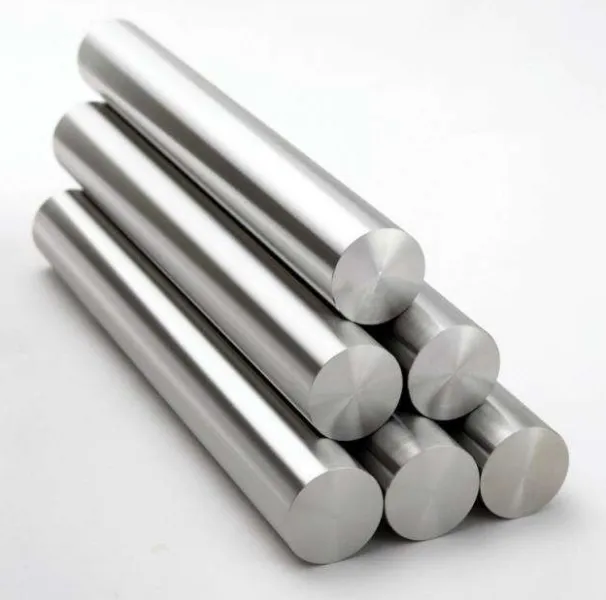
Hastelloy C22 round bar (UNS N06022) is a versatile nickel-chromium-molybdenum-tungsten alloy with better overall corrosion resistance than any other Ni-Cr-Mo alloy available today, including C-276 and C-4. It provides exceptional resistance to pitting, crevice corrosion, and stress corrosion cracking (SCC), making it the gold standard for high-stakes environments like pharmaceutical manufacturing and chemical waste treatment.
If your project requires the use of Hastelloy C22 Round Bar, you can contact us for a free quote.
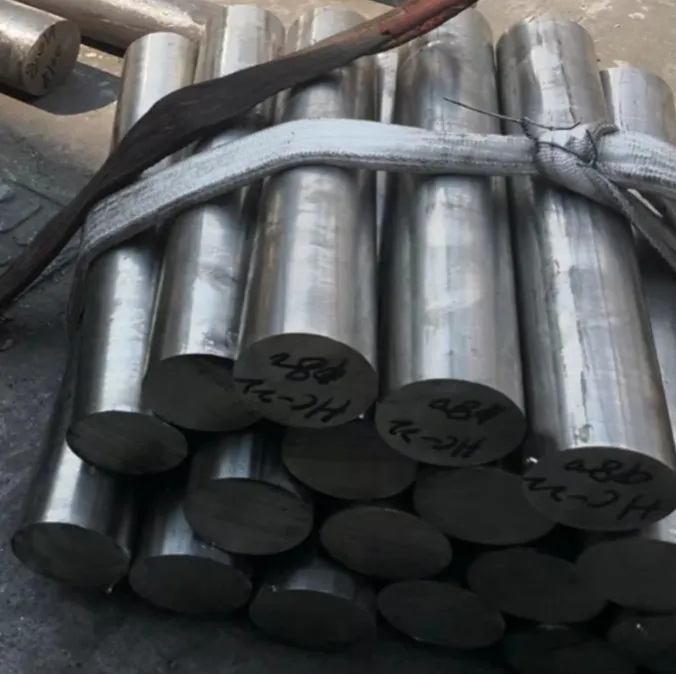
Hastelloy C22 round bar (UNS N06022) is the most broadly corrosion-resistant nickel-chromium-molybdenum-tungsten alloy in commercial production, and it stands as the definitive material choice when engineers face mixed or unknown aggressive chemical environments where no single-mechanism corrosion-resistant alloy can be safely specified. Governed by ASTM B574 for rod and bar forms, C22 outperforms its predecessor Hastelloy C276 in oxidizing media, matches it in reducing environments, and surpasses virtually all standard austenitic stainless steels and duplex grades across the full spectrum of corrosive conditions from hot concentrated acids to wet chlorine gas. At MWalloys, we supply ASTM B574 certified Hastelloy C22 round bar to chemical processing plants, pharmaceutical manufacturers, flue gas desulfurization contractors, offshore operators, and precision fabricators who cannot afford material failures in aggressive service. This complete technical reference covers alloy chemistry, mechanical properties, corrosion performance data, heat treatment requirements, welding procedures, machining considerations, and full procurement guidance with current sizing availability.
What Is Hastelloy C22 and How Does ASTM B574 Define This Alloy?
Hastelloy C22 is a proprietary nickel-chromium-molybdenum-tungsten alloy originally developed and trademarked by Haynes International. The "C" in C22 identifies it as part of the C-family of corrosion-resistant nickel alloys that share a nickel-chromium-molybdenum base chemistry, while "22" refers to its nominal chromium content of approximately 22%. The alloy's UNS designation is N06022, which is the identification used in ASTM standards and procurement documentation.
ASTM B574 is the governing standard for "Low-Carbon Nickel-Chromium-Molybdenum, Low-Carbon Nickel-Chromium-Molybdenum-Copper, Low-Carbon Nickel-Chromium-Molybdenum-Tantalum, Low-Carbon Nickel-Chromium-Molybdenum-Tungsten, and Low-Carbon Nickel-Molybdenum Alloy Rod." Under this standard, N06022 (C22) is classified as a low-carbon nickel-chromium-molybdenum-tungsten alloy, and the standard specifies its chemical composition limits, mechanical property requirements, heat treatment condition, dimensional tolerances, surface finish requirements, and testing methods applicable to finished rod and bar product.
The "low-carbon" classification in ASTM B574 is not incidental. The maximum carbon content of 0.010% in C22 is one of the most critical specification points in the standard. Higher carbon content in nickel-chromium-molybdenum alloys causes carbide precipitation at grain boundaries during cooling through the 425–870°C sensitization range, depleting chromium and molybdenum from adjacent regions and catastrophically reducing their corrosion resistance. By keeping carbon at or below 0.010%, ASTM B574 ensures that C22 bar stock can be welded and heat processed without the sensitization risk that plagued earlier higher-carbon C-family alloys.
What distinguishes C22 from its C-family predecessors and competitors is its specific combination of high chromium (20.0–22.5%), high molybdenum (12.5–14.5%), and moderate tungsten (2.5–3.5%). This three-element passive film chemistry addresses corrosion mechanisms that no two-element combination can match across the full range of oxidizing and reducing environments encountered in real industrial service.
The C-Family Alloy Evolution: From C to C276 to C22
Understanding the historical development of the C-family helps engineers appreciate what specific technical problems C22 was designed to solve. The original Hastelloy C alloy (1930s) suffered from grain boundary carbide precipitation during welding, making weld heat-affected zones vulnerable to intergranular corrosion. C276 addressed this by reducing carbon to very low levels and adding tungsten, but retained relatively lower chromium content (15–16.5%) that limited performance in oxidizing environments. C22 was developed in the 1980s to correct this oxidizing environment weakness while preserving C276's reducing environment performance, resulting in an alloy with genuinely broader corrosion resistance than any previous C-family member.
Chemical Composition of Hastelloy C22 (UNS N06022) Per ASTM B574
The chemical composition of Hastelloy C22 under ASTM B574 reflects the careful balance required to achieve simultaneous resistance to both oxidizing and reducing corrosive agents.
Hastelloy C22 Chemical Composition (ASTM B574 / UNS N06022)
| Element | Minimum (%) | Maximum (%) |
|---|---|---|
| Nickel (Ni) | Balance | Balance |
| Chromium (Cr) | 20.00 | 22.50 |
| Molybdenum (Mo) | 12.50 | 14.50 |
| Tungsten (W) | 2.50 | 3.50 |
| Iron (Fe) | 2.00 | 6.00 |
| Cobalt (Co) | — | 2.50 |
| Carbon (C) | — | 0.010 |
| Manganese (Mn) | — | 0.50 |
| Silicon (Si) | — | 0.08 |
| Phosphorus (P) | — | 0.02 |
| Sulfur (S) | — | 0.02 |
| Vanadium (V) | — | 0.35 |
Nickel content typically falls in the range of 56–60% by balance, making this a true nickel-base alloy where nickel is the dominant element. The remaining composition is defined by the corrosion-resistance engineering described below.
How Each Element Contributes to C22's Corrosion Performance
Chromium (20.0–22.5%): At 20–22.5%, C22 carries significantly more chromium than C276 (15–16.5%). Chromium is the primary element responsible for passive film formation and stability in oxidizing environments. The higher chromium content is the single most important reason C22 outperforms C276 in oxidizing acid mixtures, wet chlorine gas, and hypochlorite solutions. Chromium also contributes to the alloy's resistance to pitting by strengthening the passive oxide layer against localized chloride attack.
Molybdenum (12.5–14.5%): Molybdenum is the primary contributor to performance in reducing environments — hydrochloric acid, dilute sulfuric acid, and phosphoric acid systems where chromium-based passivity breaks down. Mo enhances passive film stability by forming molybdate species that repair passive film defects and resist pit propagation. Combined with chromium, it delivers a PREN value that places C22 among the highest corrosion-resistant commercially available alloys.
Tungsten (2.5–3.5%): Tungsten augments molybdenum's effect in reducing environments and provides additional resistance to pitting and crevice corrosion. In the PREN formula adapted for nickel alloys, tungsten is credited at approximately half the effectiveness of molybdenum per weight percent. The tungsten addition differentiates C22 from C2000 (which substitutes copper instead of tungsten) and contributes meaningfully to performance in mixed acid environments.
Iron (2.0–6.0%): Iron is present as a partial matrix component that contributes to solid solution strengthening without significantly affecting corrosion behavior within this concentration range.
Carbon (0.010% maximum): The strict low-carbon requirement prevents chromium and molybdenum carbide precipitation during fabrication, welding, or heat treatment operations. This keeps the alloy resistant to intergranular corrosion in the as-welded condition, which is a critical practical advantage in field fabrication where post-weld annealing may not be feasible.
Silicon (0.08% maximum): The extremely low silicon maximum in C22 is more restrictive than in C276 (0.08% vs. 0.08% — both at the same limit) and reflects the need to prevent secondary phase precipitation (particularly sigma phase) during prolonged high-temperature exposure.
PREN Calculation for Hastelloy C22
A modified PREN formula applicable to nickel alloys is:
PREN = %Cr + 3.3(%Mo + 0.5×%W) + 16(%N)
Using C22 mid-range composition (21.25% Cr, 13.5% Mo, 3.0% W, negligible N):
PREN = 21.25 + 3.3(13.5 + 0.5×3.0) + 0 = 21.25 + 3.3(15.0) = 21.25 + 49.5 = 70.75
This PREN value substantially exceeds super duplex stainless steel (42–45) and superaustenitic grades like 254 SMO (approximately 43–46), confirming C22's position as one of the highest pitting-resistant commercial alloys available in round bar form.
Mechanical and Physical Properties of C22 Round Bar
Hastelloy C22 round bar under ASTM B574 is supplied in the solution-annealed condition, which defines the baseline mechanical properties engineers use in pressure vessel and structural calculations.
Mechanical Properties of Hastelloy C22 Round Bar (Solution Annealed, ASTM B574)
| Property | Typical Value | ASTM B574 Minimum |
|---|---|---|
| Tensile Strength | 100,000–115,000 psi (690–793 MPa) | 100,000 psi (690 MPa) |
| Yield Strength (0.2% offset) | 45,000–65,000 psi (310–448 MPa) | 45,000 psi (310 MPa) |
| Elongation in 2 inches | 45–60% | 45% minimum |
| Brinell Hardness | 190–240 HBW | — |
| Rockwell Hardness | B90–B100 | — |
| Reduction of Area | 60–75% | — |
Elevated Temperature Mechanical Properties
One of C22's valuable characteristics is that it retains substantial mechanical strength at elevated temperatures, making it suitable for high-temperature corrosive service without resorting to higher-cost superalloys.
| Temperature | Tensile Strength (MPa) | Yield Strength (MPa) | Elongation (%) |
|---|---|---|---|
| 20°C | 690–793 | 310–448 | 45–60 |
| 100°C | 650–740 | 280–390 | 45–55 |
| 200°C | 610–700 | 250–360 | 45–55 |
| 300°C | 570–660 | 225–330 | 45–55 |
| 400°C | 540–630 | 210–310 | 45–55 |
| 500°C | 510–600 | 200–290 | 45–55 |
| 600°C | 470–560 | 185–270 | 40–50 |
| 700°C | 420–500 | 170–250 | 35–48 |
| 800°C | 350–430 | 155–230 | 30–45 |
Physical Properties of Hastelloy C22 (UNS N06022)
| Physical Property | Value |
|---|---|
| Density | 8.69 g/cm³ (0.314 lb/in³) |
| Melting Range | 1,357–1,399°C (2,475–2,550°F) |
| Thermal Conductivity | 10.1 W/m·K at 20°C |
| Specific Heat Capacity | 414 J/kg·°C |
| Coefficient of Thermal Expansion | 12.4 µm/m·°C (20–100°C) |
| Electrical Resistivity | 134 µΩ·cm at 20°C |
| Modulus of Elasticity | 205 GPa (29.8 × 10⁶ psi) |
| Modulus of Rigidity | 79 GPa |
| Poisson's Ratio | 0.30 |
| Magnetic Permeability | Non-magnetic (< 1.002 µ) |
The relatively low thermal conductivity (10.1 W/m·K, compared to 46.6 W/m·K for carbon steel) has practical implications for machining and welding. Heat generated during cutting or welding dissipates slowly through the material, concentrating at the tool-workpiece interface during machining and in the heat-affected zone during welding. Both operations require strategies to manage this thermal behavior, which we address in detail in the fabrication section below.
Why C22 Outperforms C276 in Oxidizing Corrosion Environments
This comparison generates more technical discussion among corrosion engineers than almost any other question about the C-family alloys, so it deserves a thorough treatment beyond simple property table comparisons.
The Chromium Differential Is the Core Explanation
Hastelloy C276 contains 15.0–16.5% chromium, while C22 contains 20.0–22.5% chromium. This 4–7 percentage point difference in chromium content translates directly into passive film behavior in oxidizing environments. In oxidizing acids — nitric acid, hot concentrated sulfuric acid, chromic acid, hypochlorite solutions, wet chlorine gas — the passive film stability is primarily governed by chromium content. At 15–16.5% Cr, C276's passive film is adequate in mild to moderate oxidizing conditions but becomes susceptible to transpassive dissolution in strongly oxidizing environments. At 20–22.5% Cr, C22's passive film remains stable across a much wider range of oxidizing conditions.
The practical consequence: in nitric acid service, mixed acid environments (HNO₃ + HF, HNO₃ + H₂SO₄), and process streams containing oxidizing chlorides (ferric chloride, cupric chloride), C22 shows corrosion rates an order of magnitude lower than C276.
Where C276 Still Matches or Slightly Exceeds C22
In pure reducing acid environments — particularly hot concentrated hydrochloric acid — C276's slightly higher molybdenum content (15–17% vs. 12.5–14.5% in C22) provides a marginal advantage. The difference is typically small in practical service, and both alloys perform at an excellent level in most HCl concentrations at moderate temperatures. However, in the most aggressive reducing conditions (concentrated HCl above 60°C), C276 maintains a slight edge.
Corrosion Rate Comparison in Key Environments
| Environment | C22 Corrosion Rate | C276 Corrosion Rate | Relative Performance |
|---|---|---|---|
| 10% HNO₃, 65°C | < 0.025 mm/year | 0.10–0.50 mm/year | C22 significantly better |
| 65% HNO₃, boiling | < 0.13 mm/year | > 0.50 mm/year | C22 significantly better |
| Wet Cl₂ gas, 40°C | < 0.05 mm/year | 0.15–0.30 mm/year | C22 significantly better |
| 10% HCl, 80°C | < 0.10 mm/year | < 0.08 mm/year | C276 marginally better |
| 10% H₂SO₄, 80°C | < 0.05 mm/year | < 0.05 mm/year | Equivalent |
| FeCl₃ (pitting test) | No pitting to 150°C | Pitting above 102°C | C22 significantly better |
| 50% H₂SO₄, 80°C | < 0.10 mm/year | < 0.10 mm/year | Equivalent |
| Mixed HNO₃/HF | < 0.08 mm/year | > 0.30 mm/year | C22 significantly better |
| 30% NaOH, boiling | < 0.025 mm/year | < 0.025 mm/year | Equivalent |
This data explains why chemical plants handling variable process chemistry — where oxidizing and reducing conditions may coexist or alternate — prefer C22 over C276. The certainty of adequate performance across both regime types is worth the modest premium over C276.
Corrosion Resistance Data: Pitting, Crevice, and Stress Corrosion Performance
Pitting Corrosion Resistance
Critical pitting temperature (CPT) measurements in standardized ferric chloride solutions (ASTM G48) place Hastelloy C22 at the top tier of commercially available alloys:
| Alloy | CPT in 6% FeCl₃ (°C) | PREN (approx.) |
|---|---|---|
| 316L (S31603) | 15–20 | 24–26 |
| 317L (S31703) | 22–28 | 28–32 |
| Duplex 2205 (S31803) | 35–50 | 35–38 |
| Super Duplex 2507 (S32750) | 65–80 | 42–45 |
| 625 (N06625) | 70–80 | 51–53 |
| C276 (N10276) | 85–100 | 68–72 |
| C22 (N06022) | 100–120+ | 70–75 |
| C2000 (N06200) | 95–110 | 72–76 |
Hastelloy C22 achieves CPT values above 100°C in standardized ferric chloride testing, which essentially means pitting does not initiate in this test medium at any practically relevant temperature. This performance places C22 alongside C276 and C2000 at the absolute summit of commercially available pitting-resistant alloys.
Crevice Corrosion Resistance
Crevice corrosion testing in acidified ferric chloride (ASTM G48 Method B) shows C22 achieving critical crevice corrosion temperature (CCT) values in the range of 55–75°C — again among the highest values recorded for commercially produced alloys. This performance is critical for gasketed connections, bolted flanges, and tube-to-tubesheet joints in heat exchangers, where crevice geometry creates concentrated chloride environments at the most vulnerable locations.
Stress Corrosion Cracking Resistance
Stress corrosion cracking (SCC) in chloride environments is a failure mode that eliminates austenitic stainless steels (including 316L, 317L, and 904L) from many high-temperature chloride service applications. Hastelloy C22's high nickel content (56–60%) places it well above the approximately 40–45% nickel threshold at which SCC susceptibility in chloride environments drops dramatically. Testing in boiling magnesium chloride (one of the most aggressive SCC environments for austenitic alloys) shows C22 is essentially immune to SCC at all practical stress levels.
Intergranular Corrosion Resistance
The low carbon content (0.010% maximum) per ASTM B574 ensures that Hastelloy C22 round bar remains resistant to intergranular corrosion in the as-supplied, welded, and stress-relieved conditions. Huey test results (ASTM A262 Practice C, boiling 65% nitric acid) show C22 with corrosion rates well within acceptable limits, confirming that chromium and molybdenum depletion at grain boundaries is not occurring in properly processed material.
Hastelloy C22 vs. C276, C2000, 625, and Other High-Alloy Competitors
Comprehensive Competitor Comparison Table
| Property / Factor | C22 N06022 | C276 N10276 | C2000 N06200 | 625 N06625 | 59 N06059 | 686 N06686 |
|---|---|---|---|---|---|---|
| Cr (%) | 20.0–22.5 | 15.0–16.5 | 22.0–24.0 | 20.0–23.0 | 22.0–24.0 | 19.0–23.0 |
| Mo (%) | 12.5–14.5 | 15.0–17.0 | 15.0–17.0 | 8.0–10.0 | 15.0–16.5 | 15.0–17.0 |
| W (%) | 2.5–3.5 | 3.0–4.5 | — | — | — | 3.0–4.4 |
| PREN (approx.) | 70–75 | 68–72 | 72–76 | 51–53 | 72–76 | 74–78 |
| Oxidizing acid resist. | Excellent | Good | Excellent | Good | Excellent | Excellent |
| Reducing acid resist. | Excellent | Excellent | Excellent | Good | Excellent | Excellent |
| Pitting resistance | Excellent | Excellent | Excellent | Very good | Excellent | Excellent |
| ASTM B574 listed | Yes | Yes | Yes | No (B446) | Yes | Yes |
| Cost relative | Moderate-high | Moderate | High | Moderate | High | Highest |
| Weld HAZ sensitization | Very low | Very low | Very low | Low | Very low | Very low |
| Commercial availability | Excellent | Excellent | Good | Excellent | Limited | Limited |
C22 vs. Alloy 625: The Most Common Misspecification
In our experience at MWalloys, the most frequent misspecification we encounter involves customers using Alloy 625 (N06625) in applications that actually require C22 or C276. Alloy 625 is an outstanding alloy — excellent weldability, high strength, good corrosion resistance — but its molybdenum content of only 8–10% and lower PREN of 51–53 means it underperforms C22 in highly aggressive chloride environments and in oxidizing acid service. For chemical processing applications involving concentrated acids, high-chloride brines, or mixed oxidizing/reducing media, C22 is the correct specification and 625 will show significantly higher corrosion rates.
We always ask customers specifying 625 for aggressive corrosion service to share the process chemistry details before confirming the order. Several times this review has prevented installations that would have failed within months.
When to Choose C276 Over C22
Despite C22's broader corrosion resistance profile, C276 remains a valid choice in specific scenarios:
- Pure reducing acid service (concentrated HCl) where C276's higher Mo content provides a marginal advantage
- Applications where C276 is already qualified in existing plant specifications and re-qualification of C22 would require significant engineering review time
- Projects where C276 is in stock and delivery speed outweighs the performance advantage of C22
For new designs, however, most corrosion engineers we work with now default to C22 over C276 unless there is a specific reducing environment justification for C276, because C22's broader coverage reduces risk when process chemistry is variable or uncertain.
International Standards and Global Equivalent Designations for UNS N06022
Applicable Standards for Hastelloy C22 Round Bar
| Standard | Issuing Body | Product Form / Scope |
|---|---|---|
| ASTM B574 | ASTM International | Rod and bar (primary standard) |
| ASTM B575 | ASTM International | Plate, sheet, and strip |
| ASTM B619 | ASTM International | Welded pipe |
| ASTM B622 | ASTM International | Seamless pipe and tube |
| ASTM B626 | ASTM International | Welded tube |
| ASME SB-574 | ASME | BPV code equivalent of ASTM B574 |
| ASME SB-575 | ASME | BPV code equivalent of ASTM B575 |
| AMS 5771 | SAE International | Sheet, strip, and plate (aerospace) |
| DIN 17744 | DIN | Nickel alloy rod and bar |
| EN 10095 | CEN | Heat-resistant nickel alloys |
| ISO 6208 | ISO | Nickel alloy strip and bar |
| NACE MR0175 / ISO 15156 | NACE/ISO | Sour service materials qualification |
International Equivalents for Hastelloy C22
| Country / Standard | Designation |
|---|---|
| USA (UNS) | N06022 |
| USA (Trade Name) | Hastelloy C22 |
| Germany (Werkstoff) | 2.4602 |
| Germany (DIN) | NiCr21Mo14W |
| Europe (EN) | NiCr21Mo14W (EN designation) |
| Russia (GOST) | No direct equivalent |
| China (GB) | NS336 (approximate) |
| Japan (JIS) | NCF C22 (referenced, not formally listed in JIS G4901) |
The German Werkstoff number 2.4602 is the most widely referenced international equivalent, particularly in European process industry and pressure vessel specifications. When sourcing from European mills or supplying to European end users, confirming both UNS N06022 and 2.4602 on the MTR prevents specification ambiguity.
Industry Applications Where C22 Round Bar Is the Specified Solution
Hastelloy C22's exceptional corrosion resistance profile has made it the default specification in industries where process chemistry is aggressive, variable, or exceptionally difficult to characterize.
Chemical Processing and Specialty Chemical Manufacturing
The chemical processing industry is the single largest consumer of C22 round bar. Specific applications include:
Acid plant equipment: Shaft stock, valve stems, and agitator shafts in sulfuric acid production plants, particularly in the absorption and dilution sections where sulfuric acid concentration and temperature vary widely. C22 handles the transition zones between dilute (reducing) and concentrated (oxidizing) sulfuric acid that cause accelerated corrosion in single-chemistry alloys.
Chlorine and hypochlorite production: Wet chlorine gas — one of the most aggressive corrosive environments known — is handled in C22 process equipment including reactor shafts, valve bodies, and pump components. The combination of oxidizing chlorine, moisture, and hydrochloric acid impurities creates conditions where C22 is one of very few economical alloy choices.
Pharmaceutical synthesis reactors: Multi-purpose pharmaceutical reactors that must handle a rotation of different synthesis chemistries — including both acidic and alkaline steps, oxidizing and reducing reagents — specify C22 because qualifying a single versatile material is more cost-effective than designing material changes for each process step.
Pesticide and agrochemical manufacturing: Many pesticide synthesis routes involve chlorinated organic intermediates, mixed acid catalysts, and oxidizing reagents in sequence. C22 agitator shafts, baffles, and nozzles in these reactors handle chemistry that would destroy 316L or even 904L within a single production campaign.
Flue Gas Desulfurization (FGD) Systems
Power generation facilities burning sulfur-containing coal install FGD systems to remove SO₂ from stack gases. The scrubber environment inside these systems is uniquely corrosive: warm (50–80°C) dilute sulfuric acid with chloride contamination from the coal, oxidizing conditions from absorbed oxygen, and pH values that cycle between moderately acidic and slightly alkaline during operation. This combination creates conditions where duplex stainless and even 904L may pit or suffer crevice corrosion.
C22 round bar is used for agitator shafts, spray nozzle bodies, pump shaft sleeves, and damper shaft stock in FGD absorbers. The material's ability to resist both the sulfuric acid (reducing) component and the oxidizing chloride component of this environment without a single-chemistry alloy's limitations makes it the industry standard for critical rotating and static components in FGD service.
Oil and Gas Production
Sour service tubular and wellhead components: Under NACE MR0175 / ISO 15156, Hastelloy C22 in solution-annealed condition is qualified for sour service environments containing H2S. Completion tool components, wireline equipment, and downhole chemical injection fittings in high-H2S, high-CO2, high-chloride wells specify C22 bar stock for its combined resistance to sulfide stress cracking, CO2 corrosion, and chloride pitting.
Subsea equipment: Control line end fittings, umbilical termination bodies, and chemical injection valve stems in subsea production systems see warm seawater, process chemicals, and variable process pressure simultaneously. C22's corrosion resistance envelope covers these combined conditions without the PREN limitations of duplex or superaustenitic grades.
Waste Treatment and Environmental Engineering
Hazardous waste incineration: Scrubber systems treating flue gas from hazardous waste incinerators handle hydrogen chloride, sulfur dioxide, heavy metal compounds, and variable oxidizing conditions. C22 scrubber shaft stock and wetted component bar provides service life that conventional stainless grades cannot approach in this environment.
Industrial wastewater treatment: Agitators and reactor internals in wastewater neutralization systems handling industrial effluents with variable acidity, chloride content, and oxidizing agents.
Pulp and Paper Industry
Bleaching system equipment: Modern kraft pulp bleaching uses elemental chlorine-free (ECF) and totally chlorine-free (TCF) bleaching sequences that involve chlorine dioxide, hydrogen peroxide, ozone, and caustic soda at elevated temperatures. The bleach plant environment — particularly the chlorine dioxide stage at 70–80°C — is highly oxidizing and chloride-rich, creating ideal conditions for C22 specification in washer drum shafts, press shafts, and associated equipment.
Heat Treatment Requirements and Microstructural Considerations
Solution Annealing: The Required Final Condition
ASTM B574 requires that Hastelloy C22 rod and bar be supplied in the solution-annealed condition. Solution annealing dissolves any secondary phases (carbides, sigma phase, mu phase) that may have precipitated during hot working and ensures a homogeneous single-phase microstructure with maximum corrosion resistance.
Solution Annealing Parameters for N06022
| Parameter | Specification |
|---|---|
| Annealing temperature | 1,121°C minimum (2,050°F minimum) |
| Typical temperature range | 1,121–1,177°C (2,050–2,150°F) |
| Soak time | 1 minute per mm of section thickness (minimum 15 minutes) |
| Cooling method | Rapid quench (water quench or forced air) |
| Post-anneal hardness | 240 HBW maximum per ASTM B574 |
The rapid cooling after annealing is critical. Slow cooling through the 650–900°C range allows time-temperature-transformation of secondary phases (particularly mu phase and P phase in high-Mo alloys) that reduce both corrosion resistance and ductility. Water quenching is the standard practice for sections up to approximately 50mm; larger sections may require spray quenching to achieve sufficient cooling rates throughout the cross-section.
The Thermal Instability Zone: 650–1,050°C
A critical practical consideration for fabricators working with C22 bar stock is the thermal instability range between approximately 650°C and 1,050°C. Prolonged exposure in this temperature range causes precipitation of intermetallic phases:
Mu phase (Fe₇W₆-type): A Mo and W-rich phase that precipitates preferentially at grain boundaries, reducing ductility and intergranular corrosion resistance.
P phase: A complex intermetallic containing Ni, Mo, and Cr that forms at temperatures around 700–850°C in alloys with high Mo content.
Sigma phase: An Fe-Cr intermetallic that can form in the 600–900°C range, reducing both toughness and corrosion resistance.
For fabricators, this means:
- Avoid stress-relieving operations in this temperature range; the alloy does not benefit from conventional carbon steel stress relief cycles
- If post-weld heat treatment is required, it must be a full solution anneal at 1,121°C minimum, not a sub-critical stress relief
- Hot forming operations should be completed and the part cooled rapidly below 650°C without dwelling in the sensitization range.
Machining, Welding, and Fabrication of Hastelloy C22 Bar Stock
Machinability of Hastelloy C22
Hastelloy C22 is classified as difficult-to-machine, with a machinability rating of approximately 20–30% relative to B1112 free-machining steel. The primary machining challenges are:
- High work-hardening rate: C22 work-hardens significantly faster than stainless steel, meaning the surface layer under the cutting tool hardens rapidly during each pass, increasing cutting forces and accelerating tool wear on subsequent passes
- High hot strength: The alloy retains strength at cutting temperatures, increasing required cutting forces
- Low thermal conductivity: Heat generated at the cutting zone dissipates poorly, concentrating at the tool tip and causing accelerated tool wear
Recommended Machining Parameters for Hastelloy C22 Round Bar
| Operation | Tool Material | Cutting Speed | Feed Rate | Depth of Cut | Coolant |
|---|---|---|---|---|---|
| Turning (roughing) | Carbide C-2 | 15–30 m/min | 0.20–0.40 mm/rev | 2.0–5.0 mm | Heavy flood |
| Turning (finishing) | Carbide C-3/C-4 | 25–45 m/min | 0.10–0.20 mm/rev | 0.25–1.5 mm | Heavy flood |
| Drilling | HSS-Co (8% Co) | 3–8 m/min | 0.05–0.12 mm/rev | — | Heavy flood |
| Drilling (carbide) | Solid carbide | 15–25 m/min | 0.05–0.10 mm/rev | — | Through-tool |
| Milling | Carbide inserts | 20–40 m/min | 0.05–0.12 mm/tooth | 1.0–3.0 mm | Heavy flood |
| Tapping | HSS-Co | 2–5 m/min | Per pitch | — | Tapping oil |
| Boring | Carbide C-3 | 20–35 m/min | 0.08–0.15 mm/rev | 0.5–2.0 mm | Heavy flood |
| Grinding | Al₂O₃ or CBN wheel | 20–30 m/s | Low infeed | 0.005–0.015 mm | Water-soluble oil |
Critical machining rules for C22:
First, never allow the tool to dwell in contact with the surface without cutting. The work-hardening of C22 during rubbing contact creates a surface layer that can be harder than the tool material itself. Every pass must be a cutting pass, not a rubbing pass.
Second, maintain rigid tooling setup. C22's high cutting forces cause tool deflection that leads to chatter, which in turn causes inconsistent chip thickness and accelerated work-hardening. Minimize tool overhang and use the most rigid tool holding system available.
Third, use sharp tooling and replace at first signs of wear rather than running worn tools. A worn tool on C22 creates a rapid cascade: increased rubbing, faster work-hardening, further accelerated tool wear, and potential tool failure.
Fourth, use the maximum coolant flow rate your system allows. The combination of high cutting forces and low thermal conductivity in C22 generates exceptional heat at the cutting interface. Abundant flood coolant is not optional — it is essential for reasonable tool life.
Welding Hastelloy C22
C22 is considered one of the more weldable high-alloy nickel materials, primarily because its very low carbon content minimizes sensitization risk in the heat-affected zone.
Welding Parameters for Hastelloy C22 Bar Components
| Welding Parameter | Recommendation |
|---|---|
| Preferred process | GTAW (TIG) for precision, GMAW (MIG) for production |
| Filler metal (TIG) | ERNiCrMo-10 (AWS A5.14) — matching C22 composition |
| Filler metal (MIG) | ERNiCrMo-10 |
| Filler metal (SMAW) | ENiCrMo-10 (AWS A5.11) |
| Preheat | Not required |
| Maximum interpass temperature | 93°C (200°F) — strictly enforced |
| Post-weld heat treatment | Solution anneal at 1,121°C if maximum corrosion resistance required |
| Shielding gas (TIG) | 100% Argon or Argon/Helium mix |
| Back purge | 100% Argon mandatory |
| Heat input | Keep low; use stringer beads |
| Joint cleanliness | Critical — degrease with acetone, remove all contaminants within 50mm of joint |
The maximum interpass temperature of 93°C (200°F) in C22 welding is significantly lower than the 150–175°C commonly specified for 316L stainless steel welding. This strict limit reflects C22's sensitivity to time spent in the thermal sensitization range. Allowing interpass temperatures to rise slows cooling and increases time above 650°C in subsequent passes, risking secondary phase precipitation in earlier weld beads.
Post-weld solution annealing at 1,121°C minimum is the correct treatment when the fabricated component will see the most aggressive service conditions. In many field applications where full anneal is not feasible, the low carbon content of C22 and careful control of heat input and interpass temperature produces welds with corrosion resistance adequate for most service environments without post-weld heat treatment.
Available Sizes, Surface Conditions, and Stock at MWalloys
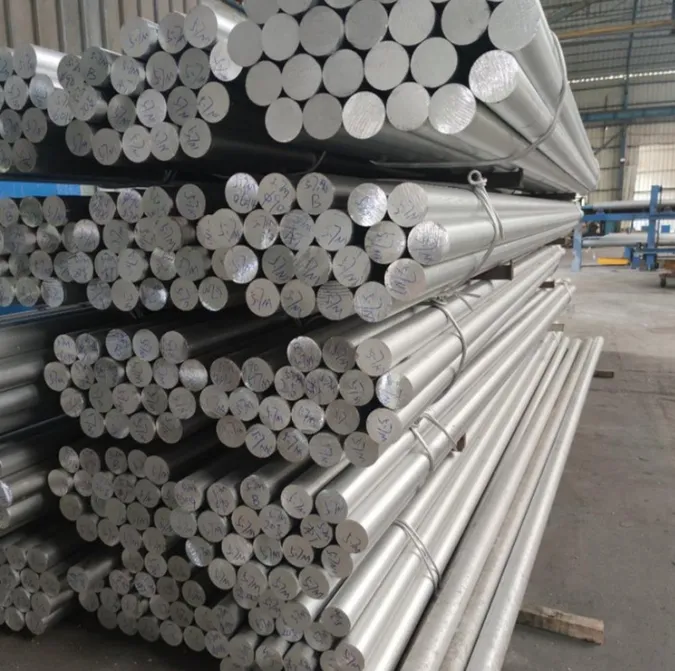
MWalloys maintains certified Hastelloy C22 round bar inventory across a comprehensive diameter range in the solution-annealed condition per ASTM B574.
Standard Stock Size Range for C22 Round Bar
| Diameter Range | Condition | Standard Length | Tolerance |
|---|---|---|---|
| 6 mm – 25 mm | Solution annealed | 1,000–6,000 mm | ±0.20 mm |
| 25 mm – 75 mm | Solution annealed | 1,000–6,000 mm | ±0.30 mm |
| 75 mm – 150 mm | Solution annealed | 1,000–5,000 mm | ±0.50 mm |
| 150 mm – 250 mm | Solution annealed | 500–3,000 mm | ±0.80 mm |
| 250 mm – 400 mm | Solution annealed (on order) | 500–2,000 mm | Per inquiry |
Inch-Size Availability
| Diameter (inches) | Condition | Standard Length |
|---|---|---|
| 1/4" – 1" | Solution annealed | 10–12 ft |
| 1" – 4" | Solution annealed | 10–12 ft |
| 4" – 8" | Solution annealed | 5–10 ft |
| 8" – 14" | Solution annealed (on order) | 3–6 ft |
Surface Conditions Available
| Surface Condition | Description | Typical Application |
|---|---|---|
| Hot finished, pickled | Mill-scale removed, slightly rough | General fabrication, further machining |
| Cold drawn, bright | Smooth surface, tighter tolerance | Precision machined components |
| Centerless ground | Precision diameter, smooth surface | Shaft stock, direct use |
| Rough turned | Machined to remove surface layer | Ultrasonic testing, critical applications |
Additional Processing Services
- Ultrasonic testing per ASTM A388 (mandatory for nuclear and critical pressure vessel applications)
- Positive Material Identification (PMI) using XRF or OES on every piece
- Cut-to-length (saw cut ±1.5mm or precision milling to ±0.5mm)
- Hardness testing per ASTM E10 with results reported on MTR
- NACE MR0175 compliance documentation
- Dual certification (ASTM B574 + ASME SB-574)
Quality Assurance, Certifications, and Documentation Standards
Certification Documentation from MWalloys
Every shipment of Hastelloy C22 round bar from MWalloys includes:
| Document | Content | Reference Standard |
|---|---|---|
| Certified Mill Test Report (MTR) | Full chemistry (heat + product analysis), tensile, hardness, heat treatment record | ASTM B574 |
| Certificate of Conformance | Written compliance confirmation | Customer specification |
| Heat Treatment Certificate | Solution anneal temperature, time, and cooling method recorded | ASTM B574 §10 |
| Hardness Test Report | Brinell hardness per ASTM E10 | ASTM B574 §9 |
| PMI Report | XRF composition verification on physical bar | Customer requirement |
| Dimensional Report | Diameter, length, straightness per ASTM B574 | ASTM B574 §8 |
| Ultrasonic Test Report | Internal integrity confirmation | ASTM A388 (on request) |
| EN 10204 Type 3.1 | Third-party validated certification | EN 10204 |
| NACE MR0175 Compliance | Hardness and condition confirmation | NACE MR0175 / ISO 15156 |
Our Traceability System
Each piece in every shipment carries a heat number physically marked (stamped, etched, or tagged depending on size) that links to the complete mill documentation chain from original melt through final inspection. We maintain digital archives of all certifications for a minimum of 10 years, and our document management system allows us to retrieve historical certifications within minutes for customer audits, regulatory inspections, or insurance purposes.
How to Request a Competitive Quote for C22 Round Bar
MWalloys responds to complete Hastelloy C22 inquiries within 24 business hours for standard stock items and within 48 hours for non-stock or special requirements.
Information Required for a Fast and Accurate Quotation
| Specification Detail | Why It Matters |
|---|---|
| Alloy designation | Confirm N06022 / C22 / 2.4602 |
| Applicable standard | ASTM B574, ASME SB-574, AMS 5771, etc. |
| Diameter (mm or inches) | Determines stock availability |
| Length per piece | Impacts cutting and pricing |
| Quantity (pieces or kg/lbs) | Volume pricing tiers |
| Surface condition | Hot finished, cold drawn, ground |
| Required certifications | MTR, EN 10204 3.1, NACE, PMI, UT |
| Dual certification needed | ASTM B574 + ASME SB-574, etc. |
| Delivery location | Freight calculation |
| Required delivery date | Stock ship vs. production scheduling |
| End use / application | Helps confirm correct specification |
Lead Times From MWalloys
| Order Type | Estimated Lead Time |
|---|---|
| Stock diameters, solution annealed | 3–7 business days |
| Cut-to-length from stock | 5–10 business days |
| Centerless ground from stock | 10–15 business days |
| Non-stock diameters | 6–12 weeks |
| Large diameter (> 200mm) | 8–16 weeks |
| Special certifications (EN 3.1, PMI, UT) | Add 3–7 business days |
Frequently Asked Questions About Hastelloy C22 Round Bar
Q1: What is the difference between Hastelloy C22 and C276, and which should I choose?
The primary difference is chromium content: C22 has 20.0–22.5% Cr versus C276's 15.0–16.5% Cr. This higher chromium in C22 makes it superior in oxidizing environments — nitric acid, wet chlorine gas, hypochlorite, mixed acid systems, and environments with oxidizing chloride compounds like ferric chloride. C276 retains a slight advantage in pure reducing acid service (concentrated hot HCl) due to its higher molybdenum (15–17% vs. 12.5–14.5% in C22). For new designs, most corrosion engineers now specify C22 because its broader resistance covers both oxidizing and reducing conditions, providing a safety margin when process chemistry is variable or not fully characterized. C276 remains appropriate in well-characterized pure reducing environments or where it is already qualified in existing plant specifications.
Q2: Is Hastelloy C22 approved under ASME pressure vessel codes?
Yes. ASME SB-574 is the ASME Boiler and Pressure Vessel Code equivalent of ASTM B574 and covers Hastelloy C22 (UNS N06022) rod and bar. Allowable stress values for N06022 are listed in ASME Section II Part D for elevated temperature pressure vessel design. Components fabricated from ASME SB-574 certified C22 bar stock can be incorporated into pressure vessels and piping systems designed per ASME Section VIII, ASME B31.3, and other applicable code sections. We supply dual-certified material (ASTM B574 + ASME SB-574) on request, with documentation confirming compliance with both standards on a single MTR.
Q3: What is the maximum hardness allowed for Hastelloy C22 per ASTM B574?
ASTM B574 specifies a maximum hardness of 240 HBW (Brinell) for Hastelloy C22 rod and bar in the solution-annealed condition. This limit ensures the material is in a properly annealed, ductile state suitable for fabrication and service. Hardness values above 240 HBW indicate either insufficient solution annealing temperature, inadequate soak time, or too-slow quench rate — all of which may result in secondary phase retention and reduced corrosion resistance. MWalloys measures and reports Brinell hardness on each MTR, with rejection of any material that exceeds the 240 HBW limit.
Q4: Can Hastelloy C22 be used in hydrofluoric acid (HF) service?
Yes, with qualifications. C22 shows good resistance to hydrofluoric acid at moderate concentrations and temperatures, and it is used in HF alkylation unit components and HF-handling equipment in chemical plants. Performance depends significantly on HF concentration, temperature, and the presence of contaminants (particularly oxidizing impurities, which accelerate corrosion). For HF service above 50% concentration or above 65°C, corrosion testing with process-representative samples is strongly recommended before final specification. We can provide published corrosion rate data for C22 in HF at various conditions and recommend third-party corrosion testing for critical HF applications.
Q5: What welding filler metal is specified for joining Hastelloy C22?
AWS ERNiCrMo-10 (GTAW/GMAW) and ENiCrMo-10 (SMAW) are the standard filler metals for welding Hastelloy C22. These filler metals have a composition matching N06022 chemistry, maintaining corrosion resistance across the weld joint consistent with the base metal. Some welders use ERNiCrMo-4 (C276 filler) for C22 welds in less critical applications, as C276 filler is more widely available and provides adequate performance in many environments. However, for maximum corrosion resistance in the most aggressive service conditions — particularly oxidizing acid environments where C22's higher chromium matters — ERNiCrMo-10 (matching C22 filler) is the correct specification.
Q6: Is Hastelloy C22 suitable for cryogenic temperature service?
Yes. Like most nickel-rich austenitic alloys, Hastelloy C22 maintains excellent toughness at cryogenic temperatures with no ductile-to-brittle transition. The FCC austenitic microstructure does not undergo the toughness transition that affects ferritic and martensitic steels at sub-zero temperatures. C22 is used in cryogenic chemical processing equipment and LNG-adjacent applications where the combination of low-temperature toughness and chemical resistance is required. Charpy impact values at -196°C (-320°F) typically remain above 100 J, well within the minimum requirements for structural cryogenic service.
Q7: How does Hastelloy C22 perform in sour gas (H2S-containing) environments?
Hastelloy C22 in the solution-annealed condition is qualified under NACE MR0175 / ISO 15156 for sour service in oil and gas production. Its high nickel content (56–60%) provides excellent resistance to sulfide stress cracking, and its high chromium and molybdenum content provides additional resistance to general corrosion in H2S, CO2, and chloride-containing produced fluids. The maximum allowable hardness for sour service per NACE MR0175 is consistent with the ASTM B574 maximum of 240 HBW for properly annealed material. Cold-worked conditions with hardness above 35 HRC require review against the applicable NACE limits for the specific environmental severity. We provide NACE MR0175 compliance documentation on request.
Q8: What is the minimum order quantity for Hastelloy C22 round bar at MWalloys?
For stock diameters in solution-annealed condition, minimum orders are typically 10 kg per diameter. Smaller quantities can be accommodated for prototype and laboratory applications at adjusted pricing. For non-stock sizes or special processing requirements, minimum production quantities are larger and depend on the specific diameter and mill production run requirements. Contact our technical sales team with your exact requirements and we will confirm the minimum order quantity and associated pricing.
Q9: Does Hastelloy C22 require any special storage or handling precautions?
Hastelloy C22 is substantially more corrosion-resistant than stainless steel and does not rust under normal atmospheric conditions. Standard storage precautions include protecting bar stock from contact with carbon steel (which can embed iron particles that cause rust staining on the nickel alloy surface, creating a cosmetic problem and potential corrosion initiation point), storing in a clean, dry environment away from chloride-containing substances (including salt spray in coastal storage yards), and avoiding contact with lead, zinc, or low-melting-point metals that could cause liquid metal embrittlement at elevated temperatures. For electropolished or precision-ground surfaces, protective wrapping is recommended to prevent handling damage.
Q10: What is the current lead time for Hastelloy C22 round bar from MWalloys?
Lead times depend on the specific diameter and quantity required. For diameters we maintain in active stock — typically 1/2 inch (12.7mm) through 4 inches (101.6mm) in solution-annealed condition — shipping within 3–7 business days of order confirmation is standard. Cut-to-length processing adds 3–5 business days. For diameters outside our standard stock range, lead times from certified mills are typically 8–16 weeks depending on diameter, quantity, and current mill schedules. We recommend contacting our team as early as possible in your project timeline for non-stock sizes, as Hastelloy C22 mill lead times can extend significantly during periods of high global demand for nickel alloy materials.
A Final Word From MWalloys on Hastelloy C22 Round Bar Supply
Over the years, we have seen what happens when the wrong alloy is installed in the wrong environment — not hypothetically, but in actual plant failures that our customers have described when they came to us for the correct replacement material. Hastelloy C22's reputation in the most demanding corrosive environments is fully earned, and supplying it correctly requires more than simply stocking bar stock. It requires understanding what ASTM B574's low-carbon specification and solution anneal requirement actually protect against, verifying that incoming material meets the standard before it reaches our warehouse floor, and communicating honestly with customers about where C22 performs superbly and where a different alloy might serve better.
At MWalloys, every Hastelloy C22 round bar shipment carries full documentation, verified hardness, confirmed solution anneal treatment, and complete heat traceability. When critical equipment depends on the material you specify, that documentation is not a formality — it is the evidence that your material selection will perform as intended.
Contact our team today with your diameter, quantity, and applicable standard. We will confirm availability and provide a competitive quotation, typically within one business day for standard stock items.