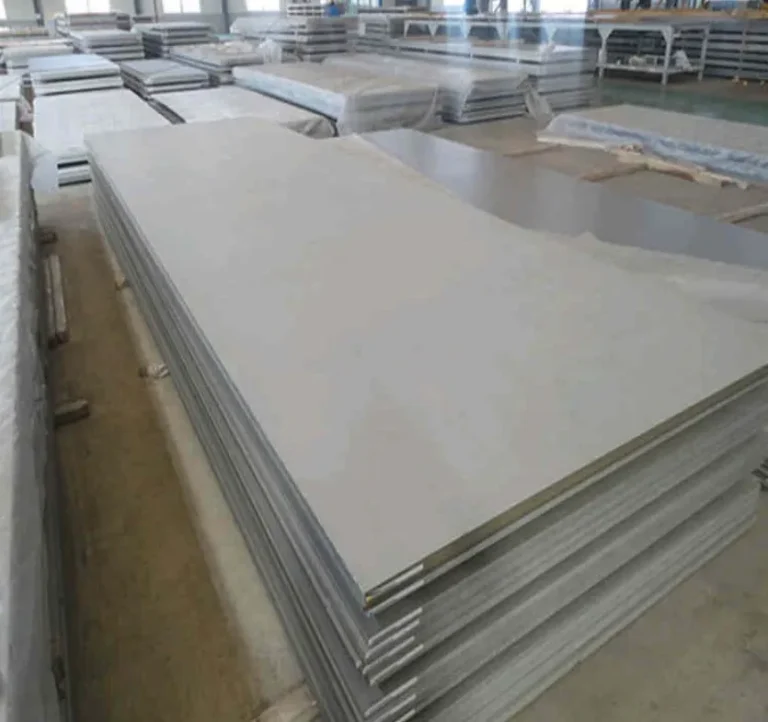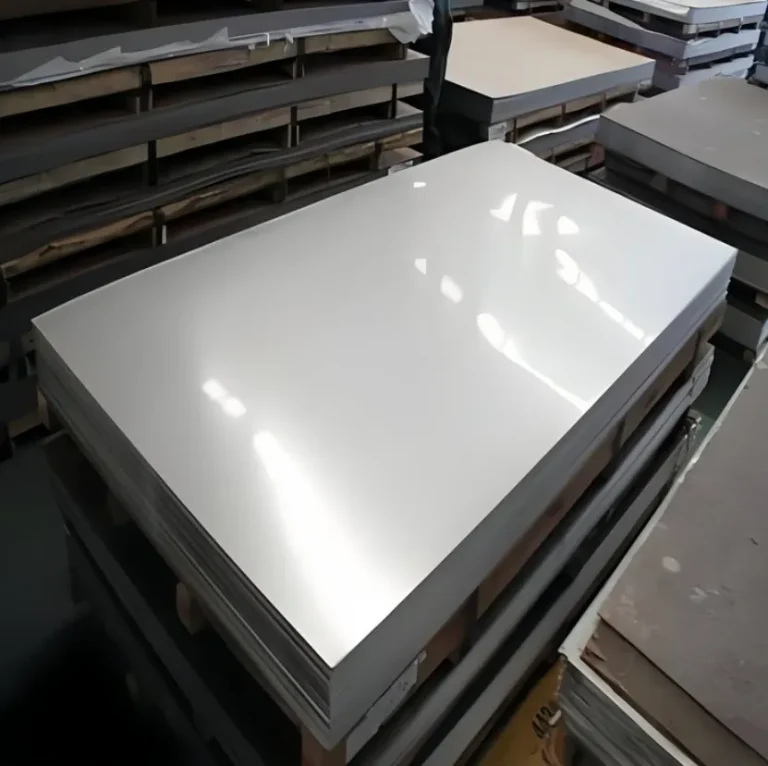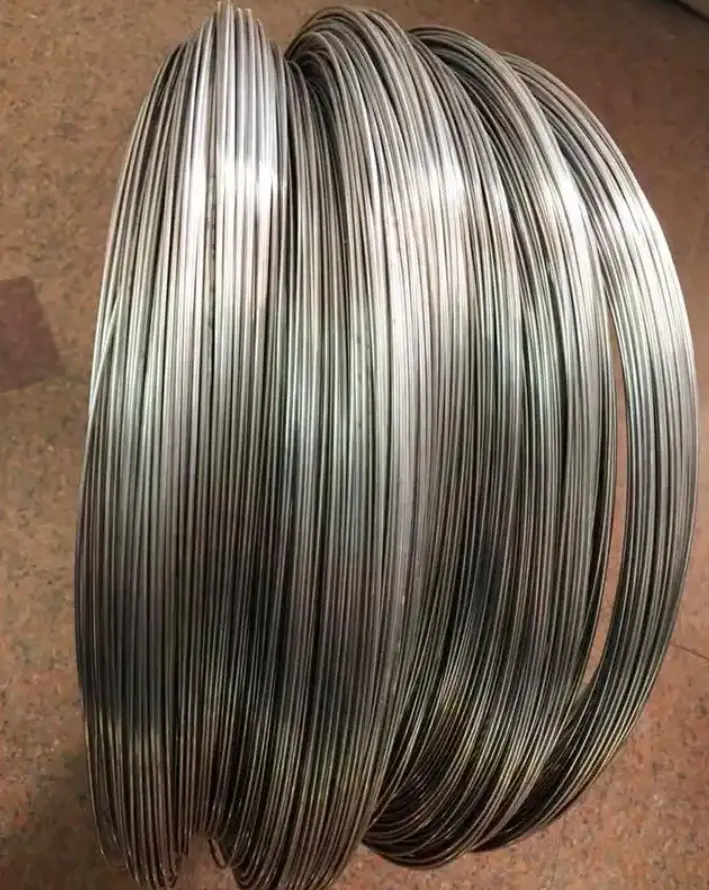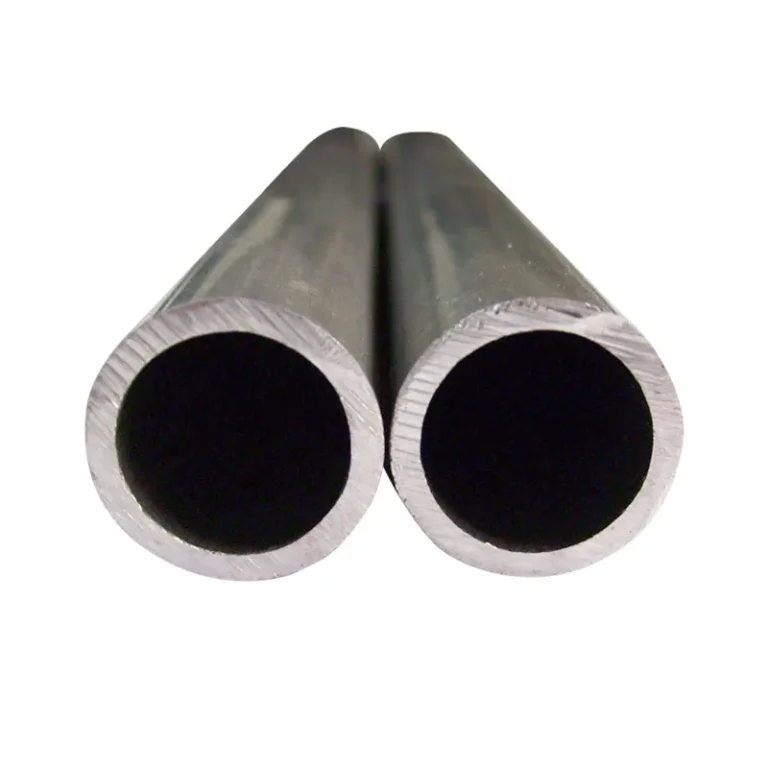

Alloy 2205 duplex stainless steel bar stock, available under ASTM A276 and ASTM A479 specifications, delivers twice the yield strength of standard austenitic grades (minimum 515 MPa vs. 205 MPa for 316L) combined with a Pitting Resistance Equivalent Number of 35, making it the most cost-effective high-performance bar material for corrosive structural applications in oil and gas, chemical processing, and marine engineering. Standard stock sizes range from 6 mm to 250 mm diameter in round bar, with hex, square, and flat bar available from 10 mm to 200 mm across flats. Selecting the wrong grade or misreading ASTM specification requirements costs industrial buyers an average of $85,000 to $220,000 per rework or replacement event.
If your project requires the use of 2205 Duplex Stainless Steel Bar, you can contact us for a free quote.
What Is Alloy 2205 Duplex Stainless Steel and Why Does Its Microstructure Matter?
When engineers first encounter duplex stainless steel, the natural question is what "duplex" actually means in practical terms and why it matters for component performance. The answer lies entirely in the two-phase microstructure that gives this alloy family its name and its performance advantages.
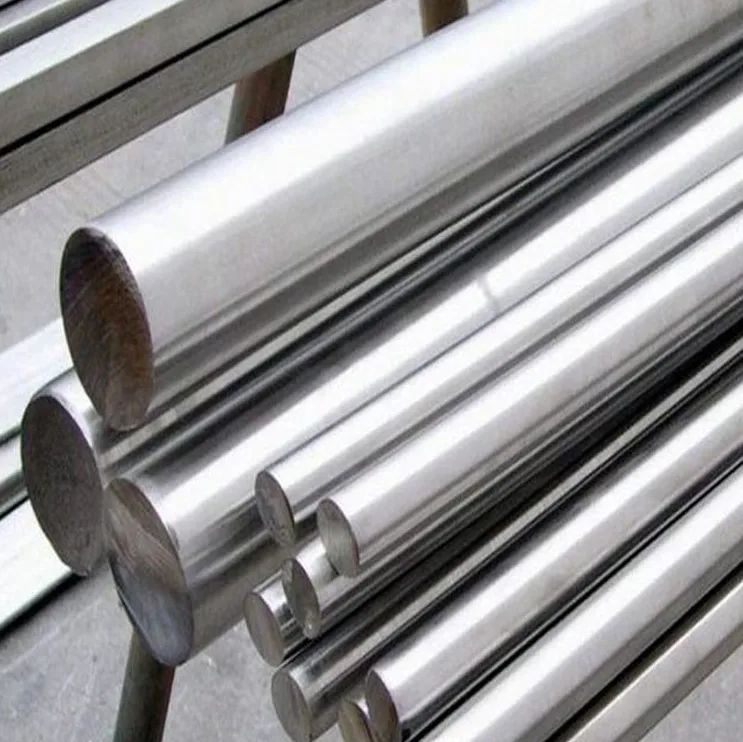
Alloy 2205 (UNS S32205 / S31803, EN 1.4462) is a duplex stainless steel containing approximately equal volume fractions of austenite and ferrite phases in its annealed microstructure — typically 45% to 55% austenite and 45% to 55% ferrite. This dual-phase structure is not a manufacturing defect or a compromise; it is a precisely engineered metallurgical condition produced by careful control of the chromium-to-nickel ratio and the nitrogen content during steel production and subsequent annealing.
The ferrite phase contributes high strength, good resistance to chloride stress corrosion cracking, and excellent resistance to hydrogen embrittlement. The austenite phase provides toughness, ductility, and corrosion resistance in reducing environments. The combination produces properties that neither single-phase austenitic nor ferritic stainless steels can achieve individually.
The Composition-Microstructure Relationship
The duplex microstructure in Alloy 2205 results from a deliberate compositional balance: high chromium (22% to 23%) and molybdenum (3.0% to 3.5%) favor ferrite formation, while nickel (4.5% to 6.5%) and nitrogen (0.14% to 0.20%) favor austenite stability. Nitrogen serves a dual function: it is a powerful austenite stabilizer (equivalent to approximately 30 times the austenite-stabilizing effect of nickel by weight) and a solid-solution strengthener that directly contributes to Alloy 2205's high yield strength.
The importance of the UNS S32205 designation versus the older S31803 designation deserves specific clarification because we see procurement confusion on this point regularly. S31803 specifies nitrogen at 0.08% to 0.20% and nickel at 4.5% to 6.5%. S32205 tightens these ranges to nitrogen at 0.14% to 0.20% minimum and nickel at 5.5% to 6.5% — ensuring more consistent duplex phase balance and more reliable pitting resistance. Most modern material specifications and engineering standards reference S32205 as the preferred designation, though material produced to S31803 that simultaneously meets S32205 requirements is considered equivalent.
Why the Phase Balance Matters for Bar Stock Applications
In bar stock applications — shafts, pump components, valve stems, fasteners, and structural members — the phase balance affects three critical performance parameters:
Stress Corrosion Cracking Resistance: The ferrite phase interrupts the propagation path of chloride SCC cracks, which require a continuous austenite network to propagate. This is why duplex stainless steels are dramatically more resistant to chloride SCC than austenitic grades — a key reason they replaced 316L in many offshore and chemical processing applications from the 1980s onward.
Strength: The fine dispersion of two phases creates microstructural barriers to dislocation movement, producing yield strengths approximately twice that of equivalent austenitic grades. This allows thinner wall sections, smaller cross-sections, and lighter components for equivalent load-bearing capacity.
Toughness: Despite high strength, the austenite phase maintains ductility and impact toughness at temperatures down to approximately -40°C (the practical lower limit for structural duplex applications), avoiding the ductile-to-brittle transition that limits purely ferritic grades.
What Are the ASTM A276 and ASTM A479 Specifications and How Do They Differ?
This is one of the most common points of confusion we encounter from procurement teams ordering 2205 bar stock. Both specifications cover stainless steel bar, but they address different product definitions, end-use requirements, and testing demands. Specifying the wrong standard creates certification problems, potential non-compliance with engineering design requirements, and occasionally material returns that delay projects.
ASTM A276: Standard Specification for Stainless Steel Bars and Shapes
ASTM A276 is the primary specification for hot-finished or cold-finished stainless steel bars (round, square, hexagonal, and similar solid sections) and shapes (angles, channels, etc.) intended for general structural and mechanical applications. This is the standard that most distributors reference when describing stainless bar stock.
Key requirements of ASTM A276 for Type 2205 (S32205):
Scope: Covers bars and shapes produced by hot rolling, forging, or cold finishing. Includes rounds, hexagons, squares, and flat bar.
Condition: Material is supplied in the annealed and descaled (or pickled) condition. The annealing treatment is critical for duplex stainless steels — improper annealing produces incorrect phase ratios, sensitized microstructures, or embrittling phases.
Mechanical Property Requirements for S32205 under ASTM A276:
- Tensile Strength: 655 MPa (95 ksi) minimum
- Yield Strength (0.2% offset): 450 MPa (65 ksi) minimum
- Elongation in 2 inches: 15% minimum
- Reduction of Area: 35% minimum
- Hardness: 36 HRC maximum (293 HB maximum)
Testing: Tensile testing per ASTM A370, hardness testing, and dimensional verification. Chemical analysis must conform to ASTM A276 Table 1 compositional requirements.
ASTM A479: Standard Specification for Stainless Steel Bars and Shapes for Use in Boilers and Other Pressure Vessels
ASTM A479 covers essentially the same physical product forms as A276 — stainless steel bar and shapes — but specifically qualifies them for use in boilers, pressure vessels, and pressure-containing components subject to ASME Boiler and Pressure Vessel Code (BPVC) requirements.
The critical difference is not the mechanical property minimums (which are virtually identical) but rather the additional testing and documentation requirements that make A479 material suitable for ASME code stamping:
Additional Requirements of ASTM A479 vs. A276:
- Mandatory heat analysis and product analysis with full reporting.
- Supplementary requirement S2 (transverse tensile testing) commonly invoked for bars above 4 inches diameter.
- Specific grain size requirements may be invoked via supplementary requirements.
- ASME BPVC Section II, Part A lists A479 (not A276) as the qualifying specification for pressure vessel material.
Practical Implication: If your application involves an ASME code-stamped pressure vessel, heat exchanger, or process vessel, the design specification will call out ASTM A479. If the application is a general structural or mechanical component — pump shafts, valve stems, brackets, fasteners — ASTM A276 is the applicable standard. Never substitute A276-certified material in an A479 pressure vessel application without engineering review and possible code concession.
Comparison Table: ASTM A276 vs. ASTM A479 for Alloy 2205
| Requirement Category | ASTM A276 | ASTM A479 | Engineering Impact |
|---|---|---|---|
| Primary Application | General mechanical/structural | Pressure vessels, ASME code | Determines code compliance |
| Min. Tensile Strength | 655 MPa (95 ksi) | 655 MPa (95 ksi) | Identical |
| Min. Yield Strength | 450 MPa (65 ksi) | 450 MPa (65 ksi) | Identical |
| Min. Elongation | 15% | 15% | Identical |
| Min. Reduction of Area | 35% | 35% | Identical |
| Max. Hardness | 293 HB / 36 HRC | 293 HB / 36 HRC | Identical |
| Heat Analysis Required | Yes | Yes (more detailed) | A479 more rigorous |
| Product Analysis | Manufacturer's option | Required per heat | A479 stricter |
| ASME BPVC Acceptance | Not listed | Section II Part A listed | Critical for code work |
| Supplementary Requirements | Limited | S1-S8 available | A479 more flexible for special requirements |
| Certification Document | EN 10204 3.1 | EN 10204 3.1 (stricter content) | A479 documentation more detailed |
What Standard Bar Sizes and Stock Dimensions Are Available for Alloy 2205?
Understanding what is genuinely available from stock versus what requires mill order is essential for project planning. Procurement managers who assume all sizes are available in short lead times frequently create project delays that could have been avoided with early material inquiry.
Round Bar: The Most Common Stock Form
Round bar in Alloy 2205 represents the largest volume of stock held by most specialty steel distributors globally. Standard stock diameters follow metric (mm) and imperial (inch) size series:
Metric Round Bar Stock (common stock sizes):
| Diameter (mm) | Weight (kg/m) | Common Condition | Typical Length |
|---|---|---|---|
| 6 mm | 0.222 | Cold drawn, annealed | 3-6 m |
| 8 mm | 0.395 | Cold drawn, annealed | 3-6 m |
| 10 mm | 0.617 | Cold drawn, annealed | 3-6 m |
| 12 mm | 0.888 | Cold drawn, annealed | 3-6 m |
| 16 mm | 1.578 | Cold drawn, annealed | 3-6 m |
| 20 mm | 2.466 | Hot rolled, annealed | 4-6 m |
| 25 mm | 3.854 | Hot rolled, annealed | 4-6 m |
| 30 mm | 5.550 | Hot rolled, annealed | 4-6 m |
| 40 mm | 9.864 | Hot rolled, annealed | 4-6 m |
| 50 mm | 15.41 | Hot rolled, annealed | 4-6 m |
| 60 mm | 22.19 | Hot rolled, annealed | 4-6 m |
| 80 mm | 39.46 | Hot rolled, annealed | 3-6 m |
| 100 mm | 61.65 | Hot rolled, annealed | 3-5 m |
| 120 mm | 88.78 | Hot rolled, annealed | 3-5 m |
| 150 mm | 138.7 | Hot rolled, annealed | 2-4 m |
| 200 mm | 246.6 | Hot rolled, annealed | 2-3 m |
| 250 mm | 385.4 | Hot rolled, annealed | 1.5-3 m (longer lead) |
Imperial Round Bar Stock (common stock sizes):
| Diameter (inches) | Diameter (mm equivalent) | Weight (lb/ft) | Typical Stock Status |
|---|---|---|---|
| 1/4" | 6.35 | 0.167 | Stock |
| 3/8" | 9.53 | 0.376 | Stock |
| 1/2" | 12.70 | 0.668 | Stock |
| 3/4" | 19.05 | 1.502 | Stock |
| 1" | 25.40 | 2.670 | Stock |
| 1-1/4" | 31.75 | 4.172 | Stock |
| 1-1/2" | 38.10 | 6.008 | Stock |
| 2" | 50.80 | 10.68 | Stock |
| 2-1/2" | 63.50 | 16.69 | Stock |
| 3" | 76.20 | 24.03 | Stock |
| 3-1/2" | 88.90 | 32.71 | Stock |
| 4" | 101.6 | 42.73 | Stock (some distributors) |
| 5" | 127.0 | 66.76 | Limited stock / indent |
| 6" | 152.4 | 96.13 | Typically indent order |
| 8" | 203.2 | 170.9 | Mill order |
| 10" | 254.0 | 267.0 | Mill order |
Hex Bar Stock
Hex bar in Alloy 2205 is primarily used for valve bodies, fastener blanks, and fittings machining. Standard across-flats dimensions:
Common metric hex sizes: 10 mm, 12 mm, 14 mm, 17 mm, 19 mm, 22 mm, 24 mm, 27 mm, 30 mm, 36 mm, 41 mm, 46 mm, 50 mm, 55 mm, 60 mm, 65 mm, 70 mm, 75 mm, 80 mm.
Common imperial hex sizes: 3/8", 7/16", 1/2", 5/8", 3/4", 7/8", 1", 1-1/4", 1-1/2", 1-3/4", 2", 2-1/4", 2-1/2", 3".
Square and Flat Bar
Square bar in Alloy 2205 is less commonly stocked than round or hex but is available from major distributors in sizes from 10 mm × 10 mm to 100 mm × 100 mm. Flat bar (rectangular section) is available in width-to-thickness combinations such as 25×6, 30×8, 40×10, 50×10, 50×12, 60×12, 80×12, 100×15, 120×15, 150×20, and 200×25 mm.
Size Availability vs. Lead Time Reality
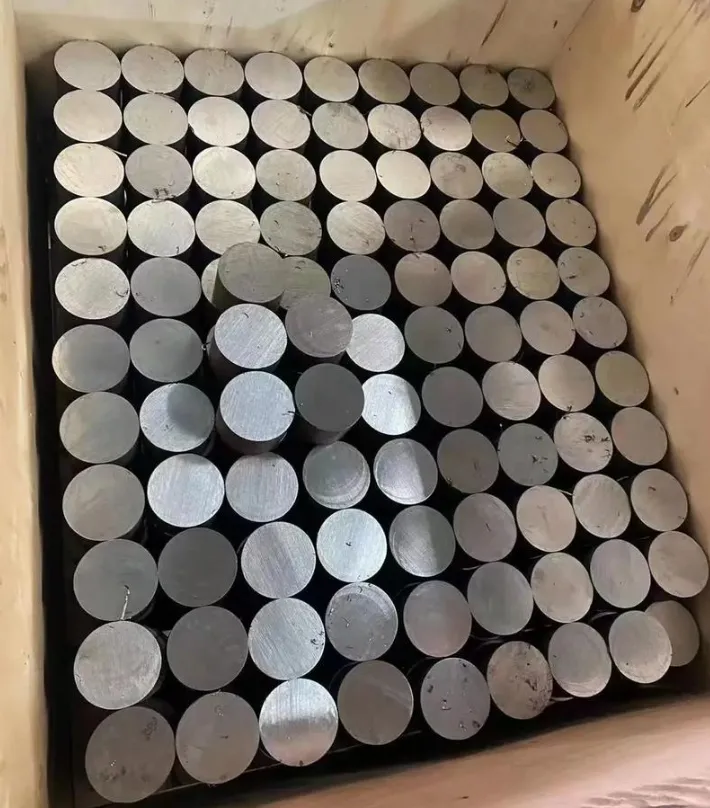
Stock availability varies significantly between distributors and geographic markets. At MWalloys, our standard stock holding covers round bar from 6 mm to 150 mm diameter in both metric and inch sizes, with 24 to 48 hour processing capability for cut-to-length orders. Sizes above 150 mm round or equivalent cross-section in other profiles typically require 6 to 14 weeks for mill production and delivery.
Buyers planning projects requiring large diameter 2205 bar (above 100 mm) should initiate material inquiry at least 8 to 12 weeks before the fabrication start date to avoid schedule risk.
What Are the Mechanical Properties of 2205 Duplex Bar Across Temperature Ranges?
The mechanical property profile of 2205 duplex bar is perhaps its most commercially significant attribute — it is the primary reason engineers upgrade from austenitic grades and the basis for its strength in ASME design calculations.
Room Temperature Mechanical Properties
The minimum properties required by ASTM A276 and A479 represent conservative lower bounds. Typical values achieved in production exceed these minimums, particularly for yield strength:
| Property | ASTM A276/A479 Minimum | Typical Achieved | Test Method |
|---|---|---|---|
| Ultimate Tensile Strength | 655 MPa (95 ksi) | 760-900 MPa | ASTM A370 |
| 0.2% Yield Strength | 450 MPa (65 ksi) | 515-650 MPa | ASTM A370 |
| Elongation (2" gauge) | 15% minimum | 25-35% | ASTM A370 |
| Reduction of Area | 35% minimum | 55-70% | ASTM A370 |
| Hardness (max) | 293 HB / 36 HRC | 250-290 HB typical | ASTM E18/E10 |
| Charpy Impact (0°C) | Not specified in A276 | 150-250 J typical | ASTM E23 |
| Modulus of Elasticity | N/A (not specified) | 200 GPa | Calculated |
| Poisson's Ratio | N/A | 0.30 | Reference value |
Comparison with Competing Grade Yield Strengths
The yield strength advantage of 2205 over austenitic grades is the foundation of its application case in pressure vessels and structural components:
| Alloy Grade | Min. Yield Strength (MPa) | Yield Advantage vs. 2205 | Typical PREN |
|---|---|---|---|
| 304 / 304L | 170-205 MPa | 2205 is 2.5-3x stronger | ~18-20 |
| 316 / 316L | 170-210 MPa | 2205 is 2.4-3x stronger | ~24-26 |
| 317L | 205 MPa | 2205 is 2.5x stronger | ~28-30 |
| 2101 (lean duplex) | 450 MPa | Comparable | ~26 |
| 2205 (S32205) | 450-515 MPa | Reference | ~35 |
| 2507 (super duplex) | 550-580 MPa | 2507 is ~20% stronger | ~43 |
| 904L | 220 MPa | 2205 is 2x stronger | ~36 |
Sources: ASTM A276, A240, A276; ASTM International; Outokumpu Corrosion Handbook, 2015
Elevated Temperature Properties and ASME Design Stress
Duplex stainless steels lose strength more rapidly with temperature than austenitic grades. The ferrite phase is less stable at temperatures above approximately 315°C, and prolonged exposure above 300°C causes sigma phase embrittlement — a critical limitation that defines the upper service temperature for duplex grades.
ASME BPVC Section VIII, Division 1 defines maximum allowable stress values at temperature for 2205 (S32205) under A479:
| Temperature | Max Allowable Stress (ASME BPVC) | Notes |
|---|---|---|
| -29°C to 100°C | 160 MPa (23.2 ksi) | Design basis temperature range |
| 150°C | 145 MPa (21.0 ksi) | Moderate reduction |
| 200°C | 130 MPa (18.9 ksi) | Continued reduction |
| 250°C | 118 MPa (17.1 ksi) | Approaching upper practical limit |
| 300°C | 107 MPa (15.5 ksi) | Upper practical limit begins |
| 315°C | 100 MPa (14.5 ksi) | Code maximum listed temperature |
The ASME code maximum listed temperature for duplex S32205 is 315°C. Above this temperature, duplex grades are not code-approved for pressure vessel service, primarily due to sigma phase formation risk and the rapid strength reduction.
Low Temperature Toughness: The Practical Lower Limit
While 2205 maintains adequate toughness to approximately -40°C, it does not have the cryogenic toughness of fully austenitic grades. The ferrite phase undergoes a ductile-to-brittle transition at sub-zero temperatures, though the austenite phase moderates this behavior. Published Charpy impact data for 2205 bar:
- At +20°C: typically 200 to 300 J (transverse specimen)
- At -20°C: typically 150 to 250 J
- At -40°C: typically 80 to 150 J (approaches minimum acceptable values)
- At -60°C: typically 30 to 80 J (often below engineering minimum thresholds)
Most engineering specifications and piping codes (ASME B31.3, for example) limit duplex 2205 to a minimum design temperature of -40°C (-40°F) without impact testing, with lower temperatures requiring qualification by actual Charpy testing on the specific heat of material (ASTM A923 Method C).
How Does the Corrosion Resistance of 2205 Bar Compare to 316L and Super Duplex Grades?
Corrosion resistance — particularly in chloride environments — is the primary technical driver for upgrading from austenitic to duplex stainless steel. Understanding exactly where 2205 fits in the performance hierarchy prevents both under-specification (using 316L where 2205 is needed) and over-specification (paying for 2507 super duplex when 2205 is adequate).
Pitting and Crevice Corrosion: The PREN Framework
The Pitting Resistance Equivalent Number (PREN) provides a composition-based ranking of pitting resistance in chloride environments:
PREN = %Cr + 3.3 × %Mo + 16 × %N
For Alloy 2205 (S32205, using typical composition midpoints):
PREN = 22.5 + (3.3 × 3.2) + (16 × 0.17) = 22.5 + 10.56 + 2.72 = 35.8
Comparative PREN values across relevant grades:
| Alloy Grade | UNS | PREN | Seawater Suitability |
|---|---|---|---|
| 304L | S30403 | ~18 | Not suitable |
| 316L | S31603 | ~24 | Limited (below 25°C, clean) |
| 317LMN | S31726 | ~30 | Marginal |
| 2205 Duplex | S32205 | ~35 | Good (to ~40°C) |
| 255 (Ferralium) | S32550 | ~38 | Good-Very Good |
| 2507 Super Duplex | S32750 | ~43 | Excellent |
| 6Mo (AL-6XN) | N08367 | ~47 | Excellent |
| Inconel 625 | N06625 | ~51 | Outstanding |
Source: Sedriks, A.J., Corrosion of Stainless Steels, Wiley, 1996; ASTM G48 testing data compilations
Critical Pitting Temperature (CPT) Testing
ASTM G48 Method E (Critical Pitting Temperature in 6% FeCl3 solution) provides a standardized comparison of pitting initiation resistance:
- 316L: CPT approximately 15°C to 20°C
- 2205 Duplex: CPT approximately 35°C to 45°C (Method E, 6% FeCl3)
- 2507 Super Duplex: CPT approximately 70°C to 75°C
This CPT comparison demonstrates that 2205 resists pitting in conditions where 316L would fail, but is not suitable for the most aggressive environments where 2507 or higher alloys are required.
Stress Corrosion Cracking Resistance: The Defining Advantage
Chloride stress corrosion cracking (SCC) is the failure mode that most frequently drives the upgrade from austenitic to duplex grades in real engineering applications. Type 304 and 316 austenitic steels are susceptible to SCC in chloride solutions above approximately 60°C at tensile stresses above about 50% of yield strength.
The duplex microstructure of 2205 provides exceptional SCC resistance. The ferrite phase interrupts crack propagation paths, and the overall alloy chemistry provides passive film stability superior to austenitic grades. Published data from the classic boiling magnesium chloride test (ASTM G36, a severe SCC test) shows 2205 passing without cracking, while 316L typically cracks within 2 to 24 hours under the same test conditions (Sedriks, Corrosion of Stainless Steels, 1996).
In field applications, this SCC resistance advantage translates directly to service life. Offshore platform structural components in splashzone environments regularly show 316L components failing by pitting-initiated SCC within 5 to 8 years, while equivalent 2205 components remain in service for 15 to 25 years without localized corrosion failures.
Specific Corrosive Environment Performance
| Environment | 316L Performance | 2205 Performance | Recommendation |
|---|---|---|---|
| Seawater (<30°C, ambient) | Marginal, pitting risk | Good, suitable with care | 2205 adequate |
| Seawater (>40°C or stagnant) | Poor, pitting certain | Borderline, risk of pitting | Consider 2507 |
| Produced water (oil/gas, moderate) | Unsuitable | Good to excellent | 2205 appropriate |
| Dilute H2SO4 (<10%, ambient) | Marginal | Good | 2205 preferred |
| Dilute HCl (any concentration) | Poor | Moderate (not for sustained HCl) | Consider Ni alloys |
| Phosphoric acid (clean) | Fair | Good | 2205 typically adequate |
| Caustic (NaOH, concentrated) | Good | Good | Both acceptable |
| Urea/ammonium carbamate | Poor | Good | 2205 standard choice |
| Pulp and paper (kraft liquor) | Fair | Very Good | 2205 widely specified |
| Desalination (seawater RO) | Unsuitable | Good | 2205 standard |
What Are the Chemical Composition Requirements Under ASTM A276 and A479?
Chemical composition is the foundation upon which all mechanical and corrosion properties rest. Both ASTM A276 and A479 reference the same composition limits for S32205, which are set to ensure reliable duplex microstructure and consistent properties.
UNS S32205 Composition Limits
| Element | UNS S32205 Min. | UNS S32205 Max. | Function |
|---|---|---|---|
| Carbon (C) | -- | 0.030% | Low C prevents sensitization |
| Manganese (Mn) | -- | 2.00% | Austenite stabilizer, deoxidizer |
| Phosphorus (P) | -- | 0.030% | Impurity limit |
| Sulfur (S) | -- | 0.020% | Low S improves pitting resistance |
| Silicon (Si) | -- | 1.00% | Deoxidizer |
| Chromium (Cr) | 22.0% | 23.0% | Primary passive film former |
| Nickel (Ni) | 4.5% | 6.5% | Austenite stabilizer |
| Molybdenum (Mo) | 3.0% | 3.5% | Pitting/crevice resistance |
| Nitrogen (N) | 0.14% | 0.20% | Austenite stabilizer + strengthener |
| Iron (Fe) | Balance | Balance | Matrix |
Source: ASTM A276-21, Table 1; ASTM A479-21, Table 1.
The Significance of Tight Nitrogen Control
Nitrogen in the range 0.14% to 0.20% is the most tightly controlled element in 2205 composition, and its importance is frequently underestimated by buyers who focus primarily on chromium and molybdenum content. Nitrogen performs three simultaneous functions:
First, it is the most potent austenite stabilizer on a per-weight-percent basis, helping maintain the 50/50 phase balance essential for optimal mechanical properties and SCC resistance. Second, it provides solid-solution strengthening of the austenite phase, directly contributing approximately 100 MPa to 150 MPa of yield strength above what chromium and molybdenum alone would achieve. Third, it enhances pitting corrosion resistance — each 0.1% increase in nitrogen is approximately equivalent to adding 1.6% more chromium in terms of PREN contribution.
Material produced to the older S31803 specification may have nitrogen as low as 0.08%, which is insufficient to reliably maintain pitting resistance and phase balance. This is why S32205 became the preferred designation, and why buyers should specify S32205 (not just "2205 duplex") to ensure nitrogen meets the 0.14% minimum.
Certification and Heat Analysis Requirements
Under both ASTM A276 and A479, the manufacturer must provide:
- Heat (cast) analysis for all specified elements.
- Product analysis (from the actual bar product) if required by the purchase order or supplementary requirements.
- Certification that composition meets the applicable UNS S32205 limits.
Heat analysis reports in the mill certificate (EN 10204 3.1 certificate) must include all elements listed in the specification table, including nitrogen — a requirement that some less rigorous suppliers omit. If nitrogen is not reported on the mill certificate, the material should be treated as suspect until nitrogen content is verified by independent laboratory analysis.
How Does 2205 Duplex Bar Perform in Machining, Forming, and Welding Operations?
Fabrication characteristics determine whether the material's excellent mechanical and corrosion properties can actually be realized in finished components. Duplex stainless steels have specific machining, forming, and welding requirements that differ from austenitic grades and must be understood before committing to a design.
Machining Alloy 2205 Bar: Overcoming Work Hardening
The two most significant machining challenges with 2205 bar are work hardening and the high cutting forces required due to its elevated yield strength. Both issues require specific process adaptations:
Work Hardening: 2205 work hardens at a rate comparable to austenitic grades — significantly faster than carbon or alloy steels. Each successive pass of a cutting tool over a work-hardened surface requires progressively higher force and generates more heat. The practical solution is to use higher feed rates (to cut below the work-hardened layer) and maintain positive rake angles.
Recommended Machining Parameters for 2205 Bar:
- Carbide grade: P25-P35 (uncoated or TiN coated, WC-Co composition).
- Cutting speed: 80 to 150 m/min (turning, rough); 50 to 100 m/min (finishing).
- Feed rate: 0.15 to 0.40 mm/rev (higher than for 316L).
- Depth of cut: 2 to 5 mm (rough); 0.5 to 1.5 mm (finish).
- Coolant: High-pressure emulsion (10 to 15 bar), flooding essential.
- Tool life: Expect 30% to 50% shorter tool life compared to 316L.
Drill bit selection: Use carbide drills with parabolic flute geometry and 118° to 135° point angle. Reduce speed by 25% to 30% compared to 316L. High-pressure through-tool coolant dramatically improves hole quality and tool life in deeper drilling operations.
Forming and Bending
Alloy 2205 bar can be cold formed, though its higher yield strength requires greater forming force than equivalent austenitic sections. Key forming parameters:
Minimum bend radius: For flat bar, the minimum inside bend radius is typically 3t to 4t (where t = thickness) for 2205, compared to 1.5t to 2t for 316L. The higher work-hardening rate means springback is greater and must be anticipated in tooling design.
Hot forming temperature: 2205 should be hot formed in the range 1,100°C to 1,250°C, staying above 1,050°C throughout the forming operation to avoid sigma phase formation. After hot forming, solution annealing at 1,020°C to 1,080°C followed by rapid water quench is mandatory to restore full corrosion resistance and mechanical properties.
Cold bending: Cold bending of round bar sections is routinely performed for U-bolt, bracket, and clip applications. Post-cold-work stress relief at 300°C to 400°C (below the sigma formation temperature) can reduce residual stress without affecting microstructure, though this step is optional for non-critical applications.
Welding Alloy 2205 Bar Stock
Welding is perhaps the most technically demanding fabrication operation for duplex stainless steels, because the weld thermal cycle must be controlled to maintain the 50/50 austenite-ferrite phase balance in both the weld metal and heat-affected zone (HAZ).
Heat Input Control: Excessive heat input (above approximately 1.5 kJ/mm) or slow cooling through the 1,200°C to 800°C range promotes sigma phase formation. Insufficient heat input (below approximately 0.5 kJ/mm) or too-rapid cooling through 1,200°C to 800°C produces excessive ferrite in the HAZ, reducing toughness and corrosion resistance.
Recommended heat input: 0.5 to 1.5 kJ/mm (GTAW / TIG process); 1.0 to 2.5 kJ/mm (GMAW / MIG process).
Filler Metal Selection: The standard filler for 2205-to-2205 welding is AWS ER2209 (matching composition wire) or equivalent (EN designation: W 22 9 3 N L). This filler is slightly over-alloyed in nickel (8% to 10% vs. 5.5% to 6.5% in base metal) to compensate for the faster cooling rate in the weld, which favors excessive ferrite formation — the extra nickel promotes austenite nucleation during cooling.
Post-Weld Treatment: Solution annealing (1,020°C to 1,080°C + water quench) restores optimal phase balance and removes sigma phase formed during welding. For many structural applications where post-weld annealing is impractical, the as-welded condition is acceptable if heat input was properly controlled. ASTM A923 provides testing methods to verify freedom from deleterious phases in duplex weldments.
Preheat: Duplex stainless steels do not require preheating under normal circumstances. Preheating above 100°C is actually counterproductive as it promotes slower cooling and increased sigma phase risk. Maintain interpass temperature below 150°C (300°F).
Which Industries and Applications Rely on 2205 Duplex Bar Stock?
Understanding where 2205 bar stock is successfully deployed gives engineers and procurement teams the confidence to specify it appropriately and the context to recognize applications where it may be under- or over-specified.
Oil and Gas Industry
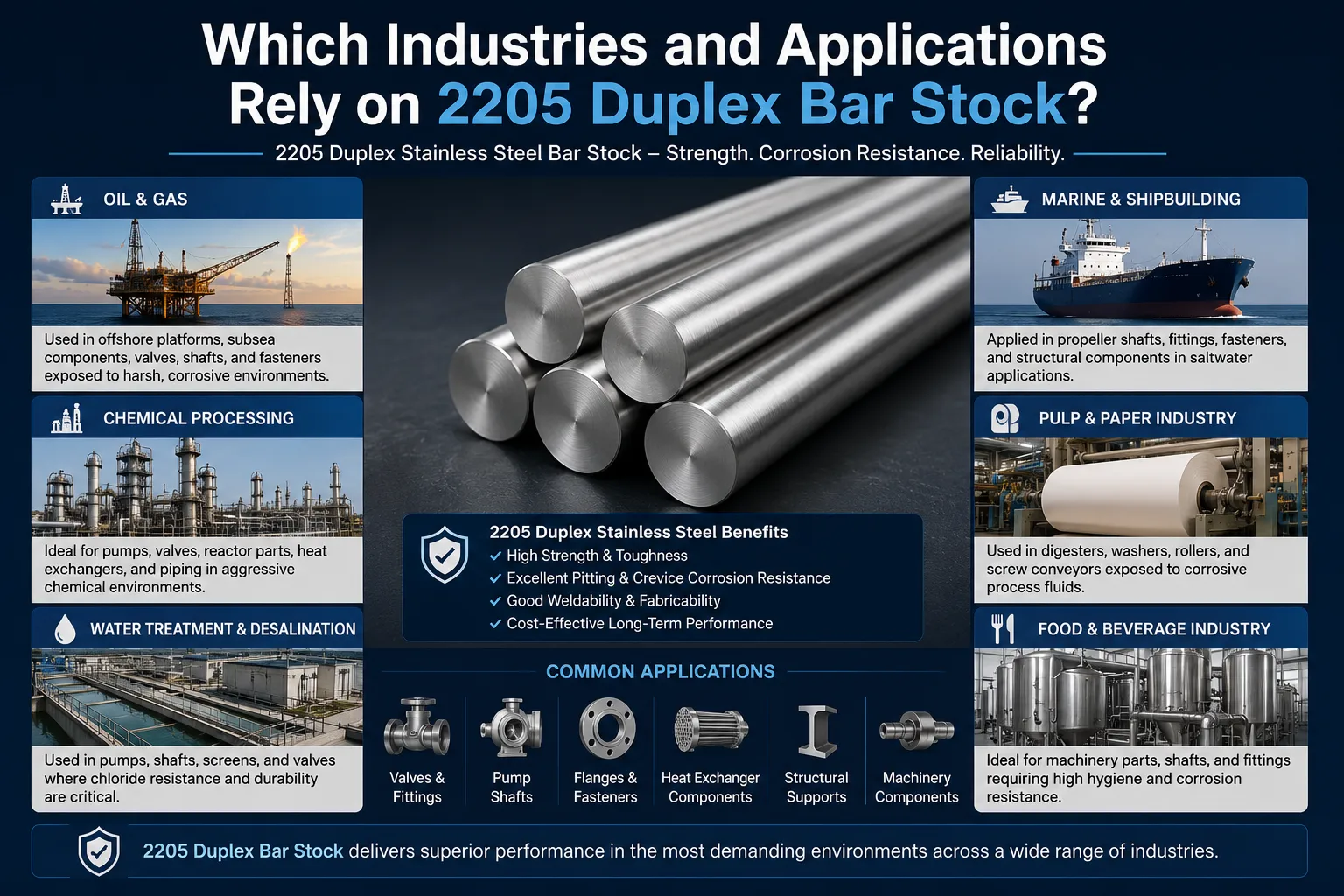
The oil and gas sector is the largest consumer of 2205 duplex bar stock globally. Applications include:
Subsea Equipment: Valve bodies, actuator components, manifold hardware, Christmas tree components, and connector bodies in seawater and produced water service. The combination of high strength (allowing smaller component cross-sections and reduced weight) and SCC resistance makes 2205 the standard for these applications where 316L would require substantially thicker walls and still fail by SCC.
Downhole Components: Pump shafts, valve stems, and tool joints in wells with moderate H2S and CO2 content. 2205 meets NACE MR0175/ISO 15156 requirements within defined environmental limits (maximum H2S partial pressure and temperature limits defined in Part 1, Table B.2 of the standard).
Topside Process Equipment: Heat exchanger heads, pressure vessel nozzles, pump casings, and piping in produced water and injection water service where temperatures remain below 300°C and chloride levels are moderate to high.
Chemical and Petrochemical Processing
Urea and Fertilizer Plants: The urea-ammonium carbamate service environment is notoriously aggressive, attacking standard austenitic grades through pitting and SCC. Alloy 2205 has been the standard structural material for urea plant internals, shafts, and fittings since the 1980s.
Pulp and Paper Industry: Kraft digester liquor (white liquor and black liquor) contains sodium hydroxide, sodium sulfide, and chloride at elevated temperatures. Alloy 2205 has largely replaced 316L in bleach plant and digester hardware due to its superior SCC resistance in these polythionic and chloride-containing environments.
Desalination Plants: Both reverse osmosis (RO) membrane systems and thermal desalination (MSF/MED) processes require materials that resist seawater at elevated temperatures. Alloy 2205 is the standard for pump shafts, valve trim, and structural hardware in RO desalination plants at water temperatures below 40°C.
Phosphoric Acid Production: Wet process phosphoric acid with fluoride contamination attacks many standard grades. Alloy 2205 provides adequate resistance in the reactor and evaporator sections at moderate temperatures, though higher alloy grades are required in the most aggressive zones.
Marine and Shipbuilding
Marine applications for 2205 bar include propeller shafts in vessels with impressed current cathodic protection systems (where high electrical potential accelerates pitting of 316L), seawater cooling system pump shafts and impellers, and structural fasteners in splash zone areas. The weight saving from 2205's high yield strength also appeals to naval architects on weight-critical vessels.
Food and Beverage Processing
While this may seem an unexpected application, food-grade environments in coastal or high-humidity facilities can be surprisingly aggressive due to chlorinated cleaning solutions and salt-laden air. 2205 is specified for structural frames, tank supports, and mechanical components in fish processing plants, coastal food factories, and any facility using CIP (Clean-In-Place) cleaning with hypochlorite solutions.
Industrial Screw and Barrel Applications: Extending Service Life
In highly corrosive polymer processing environments — PVC compounding, halogenated flame retardant systems, and chlorinated polymer blending — 2205 duplex bar stock provides a meaningful upgrade over standard martensitic tool steels for certain screw component applications. Specifically, 2205 bar is used for:
Screw Tip Extensions and Adapters: Where corrosive polymer melt contacts adaptor sections, 2205's SCC resistance and pitting resistance outperforms 316L components in moderately aggressive polymer environments.
Feed Zone Components: Barrel support rings, feed throat inserts, and mechanical drive components in PVC and PVDC processing lines where chloride contamination from polymer degradation attacks standard carbon steel hardware.
Fasteners and Clamping Hardware: Heater band clamps, barrel flange bolting, and die clamping fasteners on extruders processing chlorine-bearing polymers. The high yield strength of 2205 maintains preload better than austenitic grade fasteners under thermal cycling, while its SCC resistance prevents delayed brittle failure in chloride-contaminated environments.
The combined benefit: extended component intervals of 2x to 4x over standard 316L hardware in moderately corrosive extrusion environments, directly reducing scheduled maintenance frequency and associated downtime costs.
What Heat Treatment and Condition Requirements Apply to 2205 Bar?
Heat treatment is not optional for duplex stainless steels — it is the manufacturing step that establishes the phase balance, corrosion resistance, and mechanical properties that make the material worth specifying. Receiving material with an inadequate or incorrect heat treatment is equivalent to receiving the wrong alloy.
Solution Annealing: The Critical Process
Alloy 2205 bar must be solution annealed (also called solution heat treated) as the final thermal processing step. The requirements:
Annealing Temperature: 1,020°C to 1,100°C (1,868°F to 2,012°F). The lower bound of 1,020°C ensures complete dissolution of sigma and other intermetallic phases that may have formed during hot rolling or previous processing. The upper bound of 1,100°C prevents excessive grain growth that would reduce toughness.
Hold Time: Minimum 30 minutes per 25 mm of section thickness (or equivalent), with a practical minimum hold time of 20 to 30 minutes regardless of section size. Insufficient hold time leaves undissolved sigma phase in the microstructure, which dramatically reduces impact toughness and corrosion resistance.
Cooling: Rapid water quench from the annealing temperature. The cooling rate must be fast enough to pass through the 1,000°C to 700°C range (sigma phase precipitation nose) in less than approximately 60 seconds for thin sections, proportionally adjusted for heavier sections. Air cooling is insufficient for sections above approximately 6 mm thickness — water quench is mandatory.
Consequence of Improper Annealing: Sigma phase (Fe-Cr intermetallic) forms rapidly in duplex stainless steels between 700°C and 900°C. Even small quantities (as little as 1% sigma phase by volume) can reduce Charpy impact energy by 50% to 80% and reduce pitting resistance to levels comparable to 304L. ASTM A923 provides three test methods for detecting deleterious sigma phase: Method A (oxalic acid etch metallographic screening), Method B (Charpy impact test), and Method C (ferric chloride corrosion test).
Condition Designations in ASTM A276 and A479
Both specifications define condition designations that describe the processing history:
- Condition A: Hot finished (hot rolled, forged, or extruded) and annealed.
- Condition S: Strain hardened (cold drawn or cold rolled) and annealed — this is the standard condition for small diameter bar and hex bar.
- Condition H: Strain hardened — not annealed after cold work (rarely specified for duplex grades; cold work without final anneal adversely affects corrosion resistance).
For 2205 duplex bar, Condition A (for larger diameters, hot-finished) and Condition S (for smaller diameters with some cold work for dimensional accuracy) are the standard supply conditions. Material in Condition H is not appropriate for most corrosion-resistant applications of duplex stainless steel.
How Do Pricing, Lead Times, and Supply Chain Factors Affect 2205 Bar Procurement?
Material selection and procurement planning must account for market realities. The global duplex stainless steel market reached approximately $7.2 billion USD in 2023, with a projected compound annual growth rate of 5.1% through 2028, driven by expansion in desalination, offshore energy, and chemical processing (Grand View Research, 2024).
2025-2026 Pricing Reference
Alloy 2205 bar pricing is driven by nickel, chromium, and molybdenum commodity prices, plus fabrication cost. Nickel market volatility (LME nickel ranged from $13,000 to $30,000 per metric ton in 2022 to 2024) creates meaningful price variation. Approximate 2025 to 2026 base pricing:
| Product Form and Size | Approx. Price Range (USD/kg) | Notes |
|---|---|---|
| Round bar, 10-25 mm | $5.50-7.50 | Cold drawn, annealed, A276 |
| Round bar, 25-75 mm | $4.80-6.80 | Hot rolled, annealed, A276 |
| Round bar, 75-150 mm | $5.00-7.00 | Hot rolled, A276/A479 |
| Round bar, 150-250 mm | $5.50-8.00 | Hot rolled, A479, possible indent |
| Hex bar, common sizes | $6.00-8.50 | Cold drawn, A276 |
| Square bar | $6.00-9.00 | Hot rolled or cold drawn |
| Flat bar | $5.50-8.00 | Hot rolled, annealed |
Premium applies for: A479 certification (+5% to 10%), NACE MR0175 qualification (+3% to 8%), third-party inspection (+2% to 5%), cut-to-length short pieces (+15% to 30%).
Comparing 2205 Cost Against Competing Grades
| Grade | Approximate Price Relative to 316L | Yield Strength Ratio vs. 316L | Cost per MPa of Yield Strength |
|---|---|---|---|
| 304L | 0.80x | 0.85x | 0.94x |
| 316L | 1.00x (reference) | 1.00x | 1.00x |
| 317LMN | 1.20-1.35x | 1.10x | 1.15x |
| 2205 Duplex | 1.10-1.30x | 2.40x | 0.52x |
| 2507 Super Duplex | 1.80-2.20x | 2.80x | 0.71x |
| 904L | 2.50-3.00x | 1.05x | 2.50x |
This cost-per-MPa comparison reveals why 2205 represents exceptional value in strength-limited applications: it delivers twice the yield strength at approximately 15% to 30% premium over 316L pricing, resulting in roughly half the cost per unit of yield strength compared to austenitic alternatives.
Lead Time Planning
Standard stock sizes (10 mm to 100 mm round bar): 1 to 5 business days from distributor stock.
Larger sizes (100 mm to 200 mm round bar): 2 to 6 weeks if not in stock; 8 to 16 weeks for mill production.
Non-standard sizes, special lengths, or A479-certified material with supplementary requirements: 6 to 16 weeks.
Custom forgings: 16 to 30 weeks from specialty forgemasters.
At MWalloys, we maintain comprehensive 2205 duplex bar stock across the most common size ranges with 3.1 mill certificates, NACE qualification documentation, and cut-to-length processing capability with same-week dispatch for standard orders.
What Quality Certifications and Testing Should Buyers Demand?
Procurement without appropriate quality requirements creates material liability, potential code non-compliance, and service failure risk. The following certification framework applies to all 2205 duplex bar purchases in industrial service.
Minimum Certification Requirements
EN 10204 Type 3.1 Mill Certificate: Mandatory for any pressure-containing, structural, or safety-related application. The 3.1 certificate must include:
- Heat (cast) number and product number
- Chemical composition (heat analysis) for all elements specified in ASTM A276 or A479 Table 1, including nitrogen
- Mechanical test results (tensile strength, yield strength, elongation, reduction of area)
- Hardness test results
- Confirmation of heat treatment (annealing temperature and quench method)
- Dimensional inspection results
- Signature of the manufacturer's authorized inspection representative.
Positive Material Identification (PMI): XRF or OES-based PMI on receipt verifies alloy identity. This is particularly important when receiving 2205 because it is visually identical to 316L and other austenitic grades. PMI will detect molybdenum content (3% for 2205 vs. 2% for 316L) and can detect nitrogen if optical emission spectroscopy is used. Implement incoming PMI as standard practice for any critical application.
Supplementary Testing for Critical Applications
ASTM A923 Testing (Phase Detection): For applications requiring assurance of freedom from sigma and other deleterious phases:
- Method A (oxalic acid etch): Rapid metallographic screening, no quantitative result.
- Method B (Charpy impact): Impact energy above 40 J (29 ft-lb) at 0°C confirms freedom from sigma.
- Method C (ferric chloride corrosion test): Weight loss below 10 mils/month (0.25 mm/month) confirms adequate corrosion resistance of the microstructure.
Intergranular Corrosion Testing: ASTM A262 Practice B or E is occasionally specified for 2205 in aggressive acid service to verify freedom from sensitization.
Ultrasonic Testing (UT): ASTM A388 or equivalent UT is specified for large diameter bar (above 75 mm) in critical applications to detect internal segregation, porosity, or seams that could initiate fatigue or corrosion failures.
Ferrite Content Measurement: ASTM A800 or magnetically based ferrite measurement verifies the duplex microstructure phase balance. Acceptable ferrite content for 2205 bar is typically 40% to 60% by volume. Values outside this range indicate thermal processing problems or compositional deviation and warrant rejection pending investigation.
| Test Type | Standard | When Required | What It Verifies |
|---|---|---|---|
| Chemical Analysis | ASTM A276/A479 Table 1 | All orders | Composition within UNS S32205 |
| Tensile / Yield Test | ASTM A370 | All orders | Meets mechanical minimums |
| Hardness Test | ASTM E18/E10 | All orders | Does not exceed 293 HB |
| Mill Certificate | EN 10204 3.1 | All orders | Full traceability |
| PMI (XRF/OES) | ASTM E1476 | Critical / incoming | Alloy identity verification |
| Phase Detection | ASTM A923 | Corrosion-critical service | No sigma phase |
| Ultrasonic Testing | ASTM A388 | Large bar, >75 mm | Internal soundness |
| Ferrite Content | ASTM A800 | Weld/quality critical | 40-60% ferrite confirmed |
| Charpy Impact | ASTM E23 | Low temp service (<-20°C) | Toughness at design temperature |
| NACE MR0175 | ISO 15156 compliance | Sour service (oil/gas) | Sour service qualification |
FAQs: Alloy 2205 Duplex SS Bar ASTM A276/A479
1. What is the difference between UNS S31803 and UNS S32205 for 2205 duplex bar?
UNS S32205 is the preferred and more tightly controlled designation for Alloy 2205 duplex stainless steel. The key difference from the older S31803 designation lies in nitrogen and nickel specification: S32205 requires nitrogen at 0.14% to 0.20% minimum, while S31803 allows nitrogen as low as 0.08%. This nitrogen minimum in S32205 ensures consistent pitting resistance (PREN above 35), reliable austenite-ferrite phase balance, and predictable yield strength above 450 MPa minimum. Material meeting S31803 may have PREN as low as 30 to 32 (comparable to lean duplex grades) if nitrogen is at the lower end of its range. Most modern engineering specifications and procurement documents now reference S32205 explicitly. Buyers should always specify UNS S32205 rather than simply "2205 duplex" to ensure the tighter nitrogen and nickel compositional control. Source: ASTM A276-21, Table 1; Outokumpu Duplex Stainless Steel Handbook, 2021.
2. Can Alloy 2205 duplex bar be used in ASME pressure vessel applications?
Yes, Alloy 2205 duplex stainless steel bar is approved for ASME Boiler and Pressure Vessel Code applications when supplied to ASTM A479 (UNS S32205), which is listed in ASME BPVC Section II, Part A. The maximum allowable design temperature is 315°C (600°F) — above this temperature, sigma phase formation risk and strength reduction make duplex grades unsuitable for code-stamped pressure vessel service. The material must be in the solution-annealed and quenched condition. ASTM A276-certified material is not listed in ASME Section II and cannot be used for code-stamped pressure vessels without engineering deviation. When ordering for pressure vessel applications, specify ASTM A479, UNS S32205, Solution Annealed condition, with EN 10204 3.1 certification documenting full compliance with A479 requirements. Source: ASME BPVC Section VIII Division 1; ASTM A479-21.
3. What is the maximum service temperature for 2205 duplex stainless steel bar?
The maximum recommended service temperature for Alloy 2205 in continuous structural applications is 315°C (600°F) per ASME BPVC code listings. Above this temperature, sigma phase (a brittle iron-chromium intermetallic) forms progressively in the microstructure, embrittling the alloy and reducing corrosion resistance to levels below that of 316L. Short-duration temperature excursions above 315°C do not immediately destroy the microstructure, but any component that will experience sustained temperatures above this limit should be specified in austenitic or nickel-alloy grades instead. For applications in the range 250°C to 315°C, the engineer should evaluate the expected exposure time at temperature against published sigma phase Time-Temperature-Transformation (TTT) curves to verify acceptable microstructural stability for the design life. Source: ASME BPVC Section II Part D; Nilsson, J.O., Materials Science and Technology, 1992.
4. How does the yield strength of 2205 duplex bar compare to 316L stainless steel?
Alloy 2205 duplex bar achieves a minimum yield strength of 450 MPa (65 ksi) under ASTM A276 and A479, with typical values of 515 to 650 MPa in production material. This compares to a minimum yield strength of 170 MPa (25 ksi) for 316L bar under ASTM A276 — meaning 2205 is 2.6 to 3.8 times stronger in yield on a direct comparison. This strength advantage has significant design implications: for a given pressure load, a 2205 component can have approximately 60% less wall thickness or cross-section area than equivalent 316L, partially offsetting the material cost premium. On a cost-per-MPa basis, 2205 is approximately half the cost of 316L despite its approximately 15% to 30% higher per-kilogram price. This makes 2205 the most cost-effective option in applications where both corrosion resistance and strength are required simultaneously. Source: ASTM A276-21; ASTM A479-21; ASME BPVC Section II Part D.
5. Is Alloy 2205 duplex bar approved for sour service (H2S) in oil and gas applications?
Alloy 2205 (UNS S32205) is listed in NACE MR0175/ISO 15156 Part 3 for use in sour oil and gas service within defined environmental limits. The key qualification conditions include: maximum hardness of 36 HRC (which is the standard A276/A479 maximum, so properly heat-treated material meets this automatically), and specific temperature and H2S partial pressure limits defined in Table A.4 of the standard. In practice, 2205 is qualified for moderate sour service including produced water systems, wellhead equipment, and topside process components where H2S partial pressure stays within the standard's limits. For severe sour service (high H2S partial pressure, high temperature, high chloride), Inconel 625 or other high-nickel alloys listed in Part 3 of the standard provide broader qualification. Always verify current NACE qualification limits against your specific well conditions before finalizing material specification. Source: NACE MR0175/ISO 15156, Part 3, Table A.4, 2015 edition.
6. What welding filler metal should be used when welding Alloy 2205 bar components?
The standard welding filler for joining Alloy 2205 to itself is AWS ER2209 (per AWS A5.9), which has the approximate composition 22Cr-9Ni-3Mo-N. This filler is intentionally over-alloyed in nickel (8% to 10% vs. 5.5% to 6.5% in the base metal) to compensate for the faster solidification cooling in the weld pool, which tends to produce excessively ferritic welds without this nickel adjustment. The resulting weld deposit achieves a phase balance close to 50/50 after proper thermal cycle. Heat input must be controlled between 0.5 and 1.5 kJ/mm (GTAW) to avoid sigma phase formation or excessive ferrite. Preheating is not required or desirable — maintain interpass temperature below 150°C. For dissimilar metal joints connecting 2205 to carbon steel or austenitic stainless steel, ERNiCrMo-3 (Inconel 625 composition filler) is commonly used as a buffer layer. Post-weld solution annealing at 1,020°C to 1,080°C followed by water quench restores full properties in the weld zone. Source: AWS A5.9; Lippold and Kotecki, Welding Metallurgy of Stainless Steels, Wiley, 2005.
7. What sizes of 2205 duplex round bar are typically available from stock?
Most specialty steel distributors maintain stock of Alloy 2205 round bar from 6 mm to 150 mm diameter in metric sizes, and from 1/4" to 4" diameter in imperial sizes. The most commonly available sizes with shortest lead times are 10 mm to 100 mm (metric) and 1/2" to 3" (imperial), where stock depth is deepest due to high demand from oil and gas, pump, and valve manufacturing. Sizes from 100 mm to 200 mm diameter are available from major distributors but stock levels are shallower, with lead times of 2 to 8 weeks if not immediately available. Sizes above 200 mm typically require mill order with 8 to 16 week lead time. Hex bar is stocked from 10 mm to 80 mm across flats. Flat bar and square bar have more limited stock coverage and may require 2 to 6 weeks even for standard sizes. Contact MWalloys for current stock availability and lead times for specific sizes and quantities. Source: MWalloys stock data; industry distributor surveys.
8. How should 2205 duplex bar be machined differently from 316L stainless steel?
Machining Alloy 2205 bar requires several process adjustments compared to 316L. Feed rates should be 20% to 30% higher to ensure the cutting tool penetrates below the work-hardened surface layer created by the previous tool pass — the same principle used when machining austenitic grades but with greater urgency due to 2205's higher work-hardening rate and cutting force requirement. Cutting speeds should be 10% to 20% lower than for 316L at equivalent depth of cut, reducing heat generation. Carbide grade P25 to P35 performs well for turning; ceramic inserts (Al2O3-based) provide improved tool life in finish turning. High-pressure coolant (above 70 bar at the cutting zone) dramatically improves tool life and surface finish by controlling the heat generated by 2205's higher cutting forces. Sharp tooling must be maintained — dull inserts cause rapid work-hardening buildup and dramatically reduce tool life and surface quality. Expect tool life approximately 30% to 50% shorter than equivalent operations on 316L. Source: Sandvik Coromant Machining Parameters for Stainless Steel; Kennametal Machining Guide for Duplex Stainless.
9. What is the pitting resistance of 2205 duplex bar compared to 316L and 2507 super duplex?
Alloy 2205's pitting resistance is quantified by its PREN of approximately 35, calculated from its composition as %Cr + 3.3×%Mo + 16×%N. This compares to a PREN of approximately 24 for 316L and approximately 43 for 2507 super duplex. In practical terms, 2205 resists pitting in seawater at temperatures up to approximately 40°C, while 316L pits at temperatures above 15°C to 20°C in seawater, and 2507 resists pitting in seawater to 80°C+. Critical Pitting Temperature testing (ASTM G48 Method E, 6% FeCl3) shows 2205 with CPT values of 35°C to 45°C versus 316L at 15°C to 20°C. For chloride environments above 40°C or in stagnant conditions where concentration cell effects amplify pitting risk, upgrading from 2205 to 2507 or a 6% Mo austenitic grade should be evaluated. For environments below 40°C with chloride concentrations below approximately 5,000 ppm, 2205 typically provides adequate pitting protection at significantly lower cost than super duplex grades. Source: Sedriks, Corrosion of Stainless Steels, Wiley, 1996; ASTM G48 testing compilation data.
10. Does Alloy 2205 duplex bar require any post-machining surface treatment to maintain corrosion resistance?
For most applications, Alloy 2205 bar in the properly annealed condition does not require post-machining surface treatment to maintain its corrosion resistance, provided the machining operations did not introduce embedded iron contamination (from non-stainless tooling or contact with carbon steel fixtures). Embedded iron will corrode preferentially, creating brown staining and potentially initiating pitting beneath surface contamination. If iron contamination risk exists, passivation per ASTM A967 (nitric acid or citric acid passivation treatment) removes surface iron and restores the passive chromium oxide film to full effectiveness. For pump shaft applications in aggressive environments, shot peening after machining introduces beneficial compressive residual stress at the surface, significantly improving fatigue life and reducing SCC initiation risk. For components with ground or polished surfaces, mechanical polishing to Ra below 0.8 microns improves corrosion resistance by reducing surface area available for pit nucleation. Electropolishing provides the best surface condition for maximum corrosion resistance in critical applications. Source: ASTM A967-21; NACE SP0169; published SCC resistance data for duplex stainless.
Summary: Key Takeaways for 2205 Duplex Bar Procurement and Application
Alloy 2205 duplex stainless steel bar to ASTM A276 and A479 represents the strongest value proposition in the stainless steel bar market for applications combining corrosion resistance and strength requirements. Its yield strength of 450 MPa minimum (typically 515 to 650 MPa in production) — approximately 2.5x that of 316L — combined with a PREN of 35 and exceptional chloride SCC resistance, justifies its specification premium in virtually every demanding structural and process environment.
The practical selection rules we apply consistently:
Specify UNS S32205 (not S31803) to ensure adequate nitrogen and reliable pitting resistance. Specify ASTM A479 for pressure vessel applications requiring ASME code compliance; ASTM A276 for general mechanical and structural components. Always demand EN 10204 3.1 mill certificates with nitrogen content reported. Implement incoming PMI for all critical orders. Limit design temperature to 315°C maximum; avoid use where temperatures below -40°C are anticipated without specific Charpy impact qualification.
In industrial screw and barrel service contexts specifically, the combination of 2205's corrosion resistance and high yield strength extends component intervals in moderately aggressive polymer processing environments while providing the dimensional stability that high-strength bar delivers in precision mechanical components — contributing directly to reduced unplanned downtime and lower total maintenance costs over equipment service life.
At MWalloys, our 2205 duplex bar stock covers sizes from 6 mm to 250 mm in round, hex, square, and flat sections with full ASTM A276 and A479 certification, NACE MR0175 qualification documentation, and application engineering support for material selection and fabrication questions.
References:
- ASTM A276-21: Standard Specification for Stainless Steel Bars and Shapes. ASTM International.
- ASTM A479-21: Standard Specification for Stainless Steel Bars and Shapes for Use in Boilers and Other Pressure Vessels. ASTM International.
- ASTM A923-21: Standard Test Methods for Detecting Detrimental Intermetallic Phase in Duplex Austenitic/Ferritic Stainless Steels. ASTM International.
- ASTM A370: Standard Test Methods and Definitions for Mechanical Testing of Steel Products. ASTM International.
- ASTM G48: Standard Test Methods for Pitting and Crevice Corrosion Resistance of Stainless Steels. ASTM International.
- ASTM G36: Standard Practice for Evaluating SCC by the Boiling Magnesium Chloride Test. ASTM International.
- ASME Boiler and Pressure Vessel Code, Section II Part A, Part D. ASME, 2023 Edition.
- NACE MR0175 / ISO 15156: Petroleum and Natural Gas Industries -- Materials for Use in H2S-Containing Environments. 2015 Edition.
- Sedriks, A.J. Corrosion of Stainless Steels, 2nd Edition. Wiley, 1996.
- Nilsson, J.O. Materials Science and Technology, Volume 8. Taylor and Francis, 1992.
- Lippold, J.C. and Kotecki, D.J. Welding Metallurgy and Weldability of Stainless Steels. Wiley, 2005.
- Outokumpu. Duplex Stainless Steel Handbook. Outokumpu Oyj, 2021.
- Grand View Research. Duplex Stainless Steel Market Report. 2024.
- AWS A5.9: Specification for Bare Stainless Steel Welding Electrodes and Rods. American Welding Society.
- ASTM A967: Standard Specification for Chemical Passivation Treatments for Stainless Steel Parts. ASTM International.
- Sandvik Coromant. Machining Stainless Steel Technical Guide. 2023.
This article was produced by the MWalloys Technical Editorial Team. MWalloys supplies Alloy 2205 duplex stainless steel bar, hex, flat, and square stock to ASTM A276 and A479 with full material traceability, EN 10204 3.1 certification, and NACE MR0175 qualification documentation. Contact our technical sales team for stock availability, cut-to-length processing, and application engineering consultation.