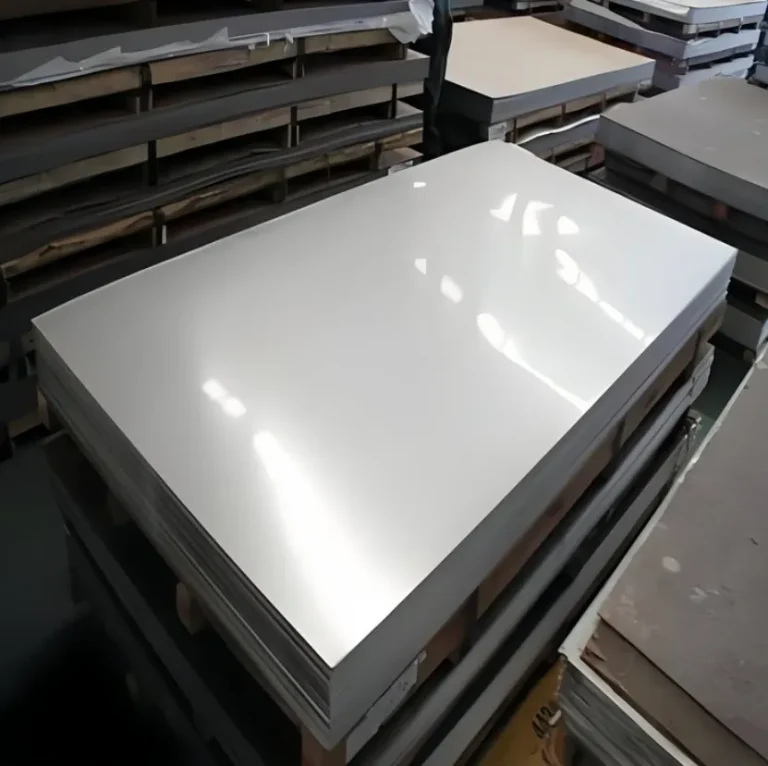

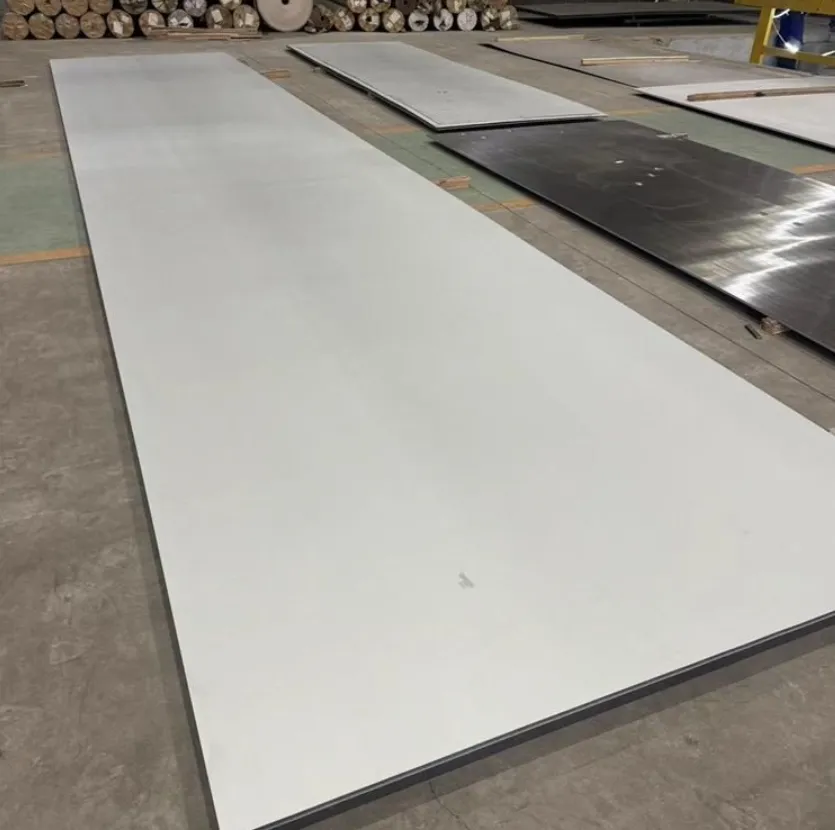
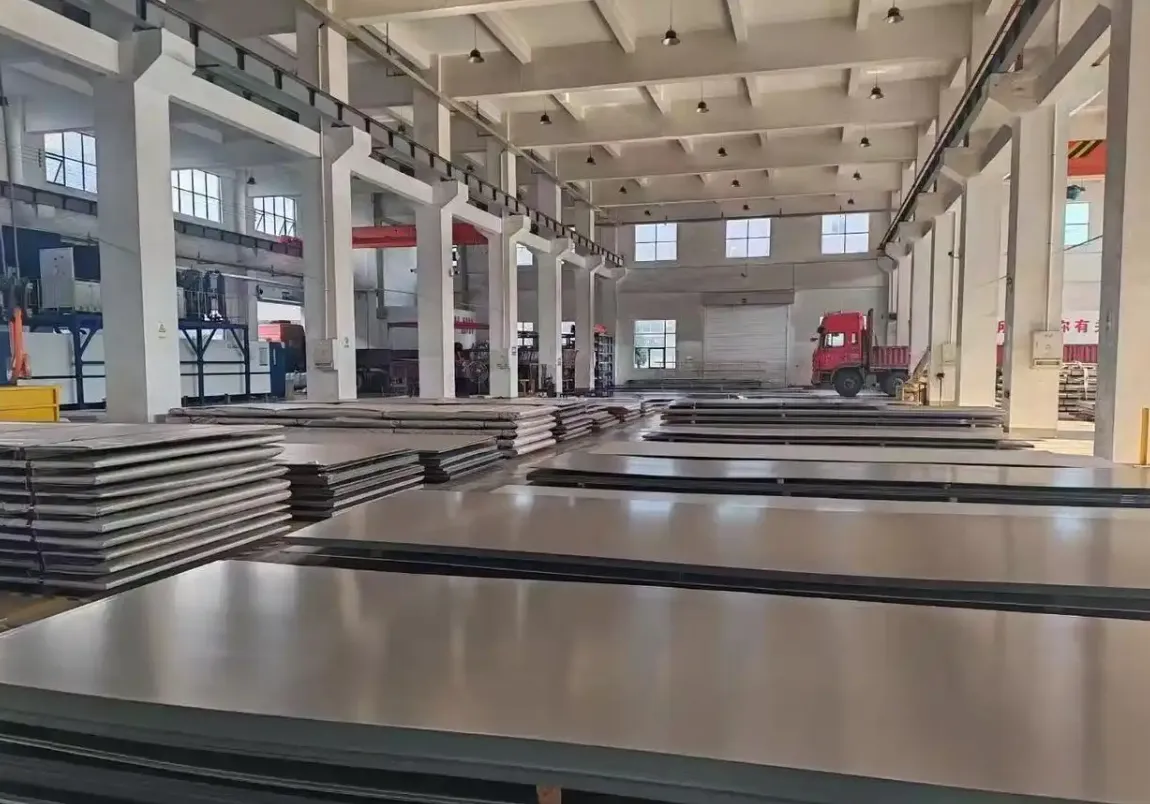
Hastelloy C22 plate and sheet (UNS N06022, ASME SB575) is the most versatile corrosion-resistant alloy flat product commercially available, outperforming C276, 316L, and Inconel 625 in oxidizing acid environments while maintaining competitive resistance in reducing media, with MWalloys supplying cut-to-size pieces from certified ASME SB575 stock in thicknesses from 0.5mm sheet to 100mm heavy plate, with full EN 10204 Type 3.1 mill certifications, same-week delivery on standard dimensions, and technical support for pressure vessel, FGD, pharmaceutical, and chemical processing applications. The combination of 21% chromium, 13.5% molybdenum, and 3% tungsten in a nickel matrix produces a passive film stable enough to survive environments that destroy every common alternative at comparable cost.
At MWalloys, we have supplied Hastelloy C22 plate and sheet to engineering contractors, plant maintenance teams, and equipment fabricators across four continents. The most consistent feedback we receive is that engineers who switch from C276 to C22 in mixed or oxidizing acid service almost never switch back, because the service life improvement is that substantial and that repeatable.
What Is Hastelloy C22 Plate and What Does ASME SB575 Certification Actually Require?
Hastelloy C22 is a registered trademark of Haynes International, designating UNS N06022, a nickel-chromium-molybdenum-tungsten alloy developed in the 1980s to address the performance limitations of C276 in oxidizing and mixed acid environments. In plate and sheet form, C22 is produced by hot rolling from vacuum induction melted (VIM) and vacuum arc remelted (VAR) or electroslag remelted (ESR) billet, then solution annealed and water quenched to establish a fully austenitic, corrosion-optimized microstructure.
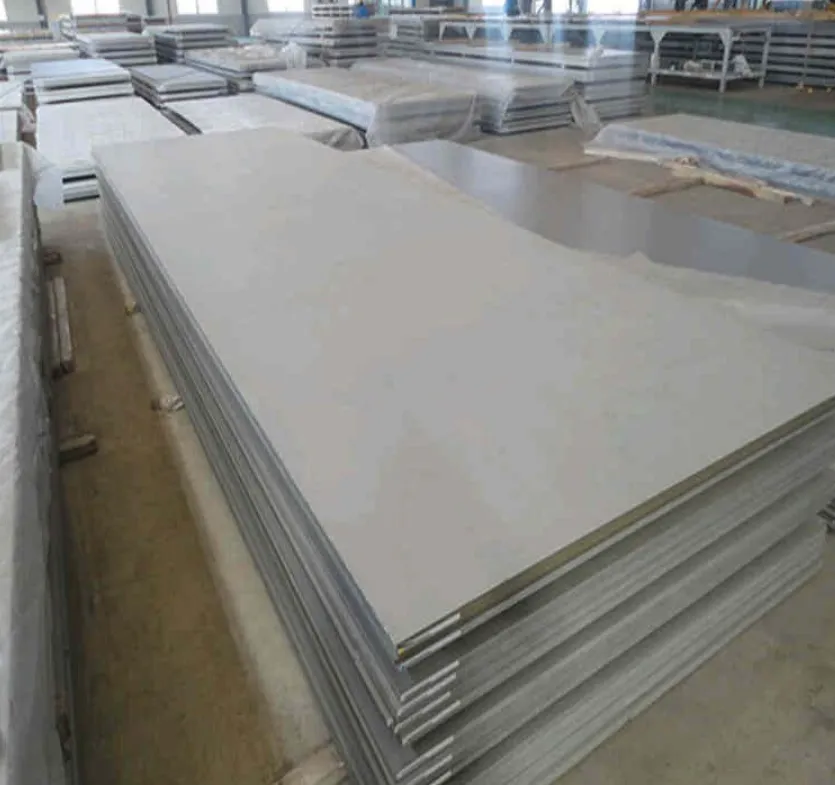
The ASME SB575 specification is the pressure vessel code designation for this material, derived directly from ASTM B575 with ASME approval for use in Code-stamped pressure equipment. The distinction between ASTM B575 and ASME SB575 is regulatory rather than metallurgical: both documents impose identical chemistry and mechanical property requirements, but only ASME SB575-certified material can be legally incorporated into ASME Section VIII pressure vessels under Code construction.
Why the ASME SB575 Designation Matters to Fabricators and End Users
| Aspect | ASTM B575 | ASME SB575 | Practical Consequence |
|---|---|---|---|
| Authority | ASTM International | ASME Code Committee | ASME required for Code vessels |
| Chemistry requirements | Identical | Identical | Same alloy, same composition limits |
| Mechanical property requirements | Identical | Identical | Same strength minimums |
| Allowable stress tables | Not applicable | Section II, Part D | Design basis for wall thickness |
| Certificate requirement | EN 10204 Type 2.2 minimum | EN 10204 Type 3.1 minimum | Code vessels need 3.1 |
| Authorized inspection | Not required | AI (AIA) witness may be required | Adds documentation step |
| Material marking | ASTM B575 + heat number | ASME SB575 + ASME mark | Physical marking on plate |
When procurement teams specify "ASME SB575 Hastelloy C22 plate," they are communicating three things simultaneously: the alloy (N06022), the product form (plate/sheet), and the quality system under which it was produced and certified. Missing any of these three elements creates compliance gaps that inspection authorities will identify during vessel construction review.
The Development History That Explains C22's Design
Understanding why C22 was developed helps predict how it will perform. By the 1970s, Hastelloy C276 had become the dominant corrosion-resistant alloy in chemical processing, but field experience revealed consistent underperformance in two situations: environments containing oxidizing agents (nitric acid, ferric chloride, chromic acid) and mixed environments where both oxidizing and reducing species were present simultaneously (such as FGD scrubber slurries).
The root cause was C276's relatively low chromium content (15.5%): while the high molybdenum (16%) provided excellent reducing acid resistance, there was insufficient chromium to maintain a stable passive film when oxidizing conditions drove the alloy's electrochemical potential into the transpassive range. C22 was engineered specifically to address this by raising chromium to 21% while accepting a modest reduction in molybdenum to 13.5%, producing an alloy with substantially wider environmental compatibility.
What Is the Full Chemical Composition of Hastelloy C22 Plate and Why Do Small Differences Matter?
The chemical composition of C22 plate must conform to ASTM B575 / ASME SB575 requirements on a heat-by-heat basis. Every plate shipped from a certified mill carries a heat number traceable to the original melt record, and the composition of that heat determines the plate's corrosion performance.
Hastelloy C22 Chemical Composition Requirements
| Element | UNS N06022 Min (%) | UNS N06022 Max (%) | Functional Role in Corrosion Performance |
|---|---|---|---|
| Nickel (Ni) | Balance (~56%) | Balance | Base matrix; SCC immunity; electrochemical stability |
| Chromium (Cr) | 20.0 | 22.5 | Passive film stability in oxidizing media; key differentiator vs C276 |
| Molybdenum (Mo) | 12.5 | 14.5 | Reducing acid resistance; pitting resistance amplifier |
| Tungsten (W) | 2.5 | 3.5 | Synergistic pitting and crevice resistance with Mo |
| Iron (Fe) | 2.0 | 6.0 | Residual element; minor effect on properties |
| Cobalt (Co) | – | 2.5 | Controlled residual |
| Carbon (C) | – | 0.010 | Minimized to prevent HAZ sensitization during welding |
| Silicon (Si) | – | 0.08 | Minimized to prevent silicide precipitation |
| Manganese (Mn) | – | 0.50 | Deoxidation; controlled for rolling behavior |
| Phosphorus (P) | – | 0.025 | Impurity; controlled for hot ductility |
| Sulfur (S) | – | 0.010 | Impurity; controlled for hot ductility and weld quality |
| Vanadium (V) | – | 0.35 | Minor residual |
Why the Chromium Content Difference Between C22 and C276 Is Decisive
The 5.5 percentage point difference in chromium between C22 (21% nominal) and C276 (15.5% nominal) may appear modest in absolute terms, but its practical consequences are large. Chromium is the element responsible for forming the Cr₂O₃ passive film that protects the alloy surface from corrosive attack. The stability of this film under oxidizing conditions is strongly dependent on chromium activity at the metal surface, which increases non-linearly with chromium content.
At 15.5% chromium, the passive film on C276 becomes unstable when the electrochemical potential rises above approximately +400 mV vs SCE in many aggressive environments, causing transpassive dissolution. At 21% chromium, C22's passive film remains stable to substantially higher potentials, which is why C22 survives oxidizing acid exposures that cause rapid attack on C276.
The practical test data confirms this: in 65% boiling nitric acid (a strongly oxidizing environment), C276 corrodes at approximately 19 mils/year while C22 corrodes at approximately 2 mils/year. This nearly ten-fold difference in the same environment, from alloys that cost within 15% of each other, defines the entire value proposition of C22 plate in oxidizing service.
What Mechanical and Physical Properties Does Hastelloy C22 Plate Deliver Across Temperature Ranges?
Mechanical properties are critical for pressure vessel design, structural calculations, and code compliance. ASME Section II Part D lists allowable stress values for SB575 N06022 at temperatures from ambient to elevated service conditions.
Room Temperature Mechanical Properties
| Property | ASME SB575 / ASTM B575 Minimum | Typical Achieved | Test Standard |
|---|---|---|---|
| Tensile Strength | 690 MPa (100 ksi) | 720 – 790 MPa | ASTM E8 |
| Yield Strength (0.2% offset) | 310 MPa (45 ksi) | 330 – 400 MPa | ASTM E8 |
| Elongation (in 50mm) | 45% | 50 – 65% | ASTM E8 |
| Hardness (Rockwell B) | – | 85 – 95 HRB | ASTM E18 |
| Grain Size (ASTM) | – | 4 – 7 | ASTM E112 |
The high elongation (45% minimum, typically 50 – 65%) reflects the excellent ductility of solution-annealed C22 plate, which is important both for cold forming operations during fabrication and for toughness in pressure-containing service.
Allowable Stress Values per ASME Section II Part D
| Temperature (°C) | Allowable Stress (MPa) | Allowable Stress (ksi) | Design Basis |
|---|---|---|---|
| 40 (ambient) | 138 | 20.0 | Tensile governed |
| 100 | 132 | 19.1 | Tensile governed |
| 150 | 127 | 18.4 | Tensile governed |
| 200 | 123 | 17.9 | Tensile governed |
| 250 | 120 | 17.4 | Yield governed |
| 300 | 117 | 17.0 | Yield governed |
| 350 | 115 | 16.7 | Yield governed |
| 400 | 113 | 16.4 | Yield governed |
| 450 | 110 | 16.0 | Creep governed |
| 500 | 103 | 14.9 | Creep governed |
| 538 | 90 | 13.0 | Creep governed |
These allowable stresses are used directly in pressure vessel wall thickness calculations per ASME Section VIII, Division 1 formula: t = PR / (SE - 0.6P), where t is minimum thickness, P is design pressure, R is inside radius, S is allowable stress from the table, and E is joint efficiency.
Physical Properties Relevant to Plate Applications
| Physical Property | Value | Engineering Application |
|---|---|---|
| Density | 8.69 g/cm³ | Weight calculations for plate orders |
| Modulus of elasticity (20°C) | 211 GPa (30.6 × 10⁶ psi) | Deflection and stiffness calculations |
| Modulus of elasticity (200°C) | 196 GPa | Elevated temperature design |
| Coefficient of thermal expansion (20 – 100°C) | 12.7 µm/m·°C | Thermal stress calculations |
| Coefficient of thermal expansion (20 – 300°C) | 13.0 µm/m·°C | High-temperature design |
| Thermal conductivity (20°C) | 10.1 W/m·K | Heat exchanger sizing |
| Specific heat | 414 J/kg·K | Thermal analysis |
| Electrical resistivity | 1.14 µΩ·m | Resistance welding parameters |
| Melting range | 1357 – 1399°C | Welding heat input reference |
| Magnetic permeability | < 1.002 | Non-magnetic; compatible with MWD tools |
What Plate and Sheet Dimensions Are Available and What Cut-to-Size Capabilities Can Customers Expect?
The dimensional range of Hastelloy C22 plate and sheet is broad but not unlimited. Understanding what is commercially stocked versus what requires mill production orders helps engineers plan projects realistically.
Standard Thickness Range for C22 Plate and Sheet
| Product Category | Thickness Range | Standard Production Method | Typical Supply Condition |
|---|---|---|---|
| Thin sheet | 0.5 – 3.0mm | Cold rolled | Annealed, 2B or BA finish |
| Light plate | 3.0 – 6.35mm | Hot rolled | Annealed, pickled |
| Medium plate | 6.35 – 25.4mm | Hot rolled | Annealed, pickled or descaled |
| Standard plate | 25.4 – 50.8mm | Hot rolled from slab | Annealed, descaled |
| Heavy plate | 50.8 – 100mm | Hot rolled from slab | Annealed, descaled |
| Extra heavy | 100 – 150mm | Hot rolled / forged | Annealed, as produced |
Standard Mill Plate Width and Length Ranges
| Width Range | Length Range | Stock Availability at MWalloys | Notes |
|---|---|---|---|
| 300 – 600mm | 1000 – 2000mm | Selected sizes | Small plates, cut from larger |
| 600 – 1000mm | 1500 – 3000mm | Good availability | Most common range |
| 1000 – 1500mm | 2000 – 6000mm | Good availability | Standard production |
| 1500 – 2000mm | 3000 – 8000mm | Selected thicknesses | Confirm availability |
| > 2000mm | Custom | Mill order required | Extended lead time |
MWalloys Cut-to-Size Processing Capabilities
At MWalloys, our cut-to-size service eliminates the customer-side cutting operations that introduce risk of contamination, dimensional error, and material waste when working with expensive C22 plate. Our processing capabilities include:
| Cutting Method | Maximum Thickness | Dimensional Tolerance | Surface Effect | Best Application |
|---|---|---|---|---|
| Waterjet cutting | Up to 125mm | ±0.3 – 0.5mm | No HAZ, no heat tint | All thicknesses, tight tolerances |
| Plasma cutting | Up to 75mm | ±1.0 – 2.0mm | Minor HAZ, heat tint | Production quantities, rough blanks |
| Bandsaw cutting | Up to 150mm | ±1.0 – 1.5mm | No HAZ | Straight cuts, clean edge |
| Milling (plate profiling) | Up to 100mm | ±0.1mm | Machined quality | Precision components |
| Shear cutting | Up to 8mm | ±0.3 – 0.5mm | Clean edge | Sheet, thin plate |
| Laser cutting | Up to 12mm | ±0.2mm | Minimal HAZ | Complex profiles in sheet |
Waterjet cutting is our strongly preferred method for C22 plate for a technically important reason: C22's corrosion resistance depends entirely on the integrity of its passive Cr₂O₃ film. Any thermal cutting process (plasma, laser, flame) creates a heat-affected zone where the composition and microstructure differ from the base metal, potentially creating zones of reduced corrosion resistance at cut edges. In corrosion-critical pressure vessel applications, thermally cut edges either require mechanical removal of the HAZ (typically 3 – 5mm) or full post-cut pickling to restore the passive film.
Waterjet cutting introduces no thermal input whatsoever. The cut edges retain the same microstructure and surface chemistry as the bulk plate. For pressure-containing components, this means waterjet-cut edges can be used directly after dimensional verification without additional surface restoration.
Flatness and Surface Condition Tolerances
| Thickness | Flatness Tolerance per ASTM B575 | Typical Achieved at MWalloys |
|---|---|---|
| < 3mm | 6mm per 600mm length | 3 – 4mm per 600mm |
| 3 – 6mm | 5mm per 600mm length | 2 – 3mm per 600mm |
| 6 – 12mm | 4mm per 600mm length | 2mm per 600mm |
| 12 – 25mm | 3mm per 600mm length | 1.5mm per 600mm |
| > 25mm | 3mm per 600mm length | 1 – 2mm per 600mm |
How Does Hastelloy C22 Plate Perform Across Every Major Corrosive Environment Encountered in Industry?
Corrosion performance is the reason engineers specify C22 plate. The following data covers the environments most frequently encountered in chemical processing, pharmaceutical manufacturing, pollution control, and energy industries.
Performance in Oxidizing Acids
C22's defining advantage is in oxidizing acid environments. The data below reflects published immersion test results and field experience:
| Environment | C276 Corrosion Rate | C22 Corrosion Rate | Advantage |
|---|---|---|---|
| 65% HNO₃, boiling | 19.1 mils/year | 2.1 mils/year | C22 ~9× better |
| 10% HNO₃ + 2% HF, 50°C | 35.4 mils/year | 8.7 mils/year | C22 ~4× better |
| Ferric chloride (10%), 50°C | 4.2 mils/year | 1.1 mils/year | C22 ~4× better |
| Chromic acid (30%), RT | 6.0 mils/year | 2.4 mils/year | C22 ~2.5× better |
| Hypochlorous acid (wet chlorine) | Moderate | Good | C22 preferred |
| Hydrogen peroxide (30%), 70°C | Moderate | Good | C22 preferred |
Performance in Reducing Acids
In reducing acid environments, C276's higher molybdenum content provides a moderate advantage, but C22 remains fully competitive:
| Environment | C276 Rate | C22 Rate | Recommended Choice |
|---|---|---|---|
| 10% HCl, 70°C | 5.8 mils/year | 7.3 mils/year | C276 preferred |
| 20% H₂SO₄, boiling | 9.5 mils/year | 11.2 mils/year | C276 preferred |
| 10% H₃PO₄, boiling | 2.1 mils/year | 2.4 mils/year | Either acceptable |
| 85% H₃PO₄, 80°C | 3.2 mils/year | 3.8 mils/year | C276 preferred |
| Acetic acid (glacial), boiling | < 0.5 mils/year | < 0.5 mils/year | Both excellent |
Performance in Mixed and Process Stream Environments
The most significant practical advantage of C22 plate over C276 appears in mixed or contaminated process environments, which represent the majority of real industrial service conditions:
| Environment | C22 Performance | C276 Performance | Notes |
|---|---|---|---|
| FGD scrubber slurry | Excellent (20+ year service) | Good (8 – 12 year service) | C22 standard for new FGD |
| Pharmaceutical CIP (HNO₃ + NaOH cycles) | Excellent | Moderate | Oxidizing cleaning agents favor C22 |
| Mixed H₂SO₄ + HNO₃ | Excellent | Moderate | Oxidizing component destabilizes C276 |
| Seawater + oxidizing biocide | Excellent | Good | C22 preferred in chlorinated seawater |
| Pulp mill bleaching (ClO₂) | Excellent | Moderate | Oxidizing bleach environment |
| Nuclear waste (HNO₃ based) | Excellent | Poor | C22 is standard for this application |
Pitting and Crevice Corrosion Resistance
| Parameter | C22 | C276 | 316L | 2507 Super Duplex |
|---|---|---|---|---|
| PREN value | ~70 | ~72 | ~24 | ~42 |
| Critical pitting temp (ASTM G48C) | > 85°C | > 85°C | ~15°C | ~75°C |
| Critical crevice temp (ASTM G48D) | 80 – 90°C | 72 – 80°C | < 5°C | ~50°C |
| Seawater pitting immunity | Yes (practical) | Yes (practical) | No | Marginal at temperature |
| Chloride SCC immunity | Yes | Yes | No (above 60°C) | Moderate |
C22 shows a measurable advantage over C276 specifically in crevice corrosion temperature, which is the most relevant parameter for gasketed flanges, tube-to-tubesheet joints, and threaded connections. The higher chromium content of C22 produces a more stable passive film within the restricted geometry of a crevice, where locally acidified stagnant solution would otherwise cause film breakdown.
What Heat Treatment and Surface Finish Options Apply to C22 Plate Supplied Under SB575?
The heat treatment condition of C22 plate is specified by ASME SB575 and determines both the microstructure and the corrosion resistance of the delivered material. Non-compliance with heat treatment requirements is one of the most significant quality risks in C22 plate procurement.
Required Heat Treatment per ASTM B575 / ASME SB575
ASTM B575 specifies that all C22 (N06022) plate and sheet must be furnished in the solution-annealed condition:
| Heat Treatment Step | Temperature Range | Minimum Hold Time | Cooling Method |
|---|---|---|---|
| Solution anneal | 1121°C (2050°F) minimum | 15 min per 25mm thickness | Rapid quench (water or forced air) |
| No intermediate temper | N/A | N/A | Intermediate tempering prohibited |
| No stress relief below 900°C | N/A | N/A | Sensitization risk in 500 – 900°C range |
The rapid quench requirement is non-negotiable. Slow cooling through the temperature range 500 – 900°C allows precipitation of deleterious intermetallic phases (sigma phase, mu phase, carbides) that both reduce toughness and significantly impair corrosion resistance by depleting chromium and molybdenum from the matrix adjacent to grain boundaries.
At MWalloys, every plate in our C22 inventory carries full furnace certification records documenting the anneal temperature, hold time, and quench method. We reject any material where the furnace records show deviation from the ASTM B575 heat treatment requirements, regardless of whether the mechanical properties test within specification.
Surface Finish Options for C22 Plate and Sheet
| Surface Finish | Designation | Ra (µm) | Method | Typical Application |
|---|---|---|---|---|
| Hot rolled, annealed, descaled | No. 1 | 3 – 6 | HR + anneal + pickle | Pressure vessels, structural |
| Cold rolled, annealed, pickled | 2D | 0.4 – 1.0 | CR + anneal + pickle | Fabricated components |
| Cold rolled, bright annealed | 2B | 0.1 – 0.5 | CR + BA (H₂ atmosphere) | Pharmaceutical, food |
| Bright annealed mirror | BA | < 0.1 | Controlled atmosphere anneal | Optical, semiconductor |
| Electropolished | EP | < 0.1 | Electrochemical removal | Pharmaceutical, bioprocessing |
| Mechanical polish (No. 4) | No. 4 | 0.4 – 0.8 | Abrasive belt polish | Visible surfaces |
For ASME pressure vessel plate, the No. 1 (hot rolled, annealed, descaled) condition is standard and is what ASTM B575 describes as the baseline product. The surface is not cosmetically attractive but is fully appropriate for pressure-containing fabrications where welds, flanges, and structural connections dominate the assembly.
For pharmaceutical and bioprocessing applications where the C22 surface contacts product, electropolished finishes meeting Ra < 0.5 µm per ASME BPE standards are required. Electropolishing of C22 plate is particularly effective because the higher chromium content provides more material for surface enrichment, producing a passive film that is both richer in chromium oxide and smoother than electropolished C276.
How Is Hastelloy C22 Plate Correctly Fabricated, Welded, and Machined?
Fabrication errors in C22 plate work can completely negate the alloy's corrosion resistance, making the component perform no better than mild steel in the service environment. The following guidance reflects established best practices and our direct experience with C22 fabrications at MWalloys.
Welding C22 Plate: Process and Procedure Requirements
Recommended Filler Metal:
| Process | AWS Classification | UNS | Notes |
|---|---|---|---|
| GTAW (TIG) | ERNiCrMo-10 | N06022 | Matching composition, primary choice |
| GMAW (MIG) | ERNiCrMo-10 | N06022 | For production welding |
| SMAW | ENiCrMo-10 | N06022 | Covered electrode for field repair |
| SAW | ERNiCrMo-10 + matching flux | N06022 | Heavy section overlay |
| PTAW (plasma powder) | C22 alloy powder | N06022 | Cladding and overlay |
Welding Parameters for C22 Plate:
| Parameter | Requirement | Reason |
|---|---|---|
| Shielding gas (GTAW) | 100% Ar or Ar + 5% H₂ | No active gas additions |
| Back purge (GTAW) | 100% Ar, O₂ < 50 ppm | Essential for root corrosion resistance |
| Preheat | Not required (< 25mm, clean base) | Preheating can cause sensitization |
| Interpass temperature | Maximum 150°C | Prevents heat accumulation |
| Heat input | Low to medium (< 1.5 kJ/mm) | Minimizes HAZ width and sensitization risk |
| Joint cleaning | Degrease + stainless wire brush + wipe | No iron contamination permitted |
| Filler storage | Dry, sealed container | Prevents moisture absorption |
| Post-weld treatment | Heat tint removal + passivation | Mandatory for corrosion-critical service |
Post-Weld Surface Restoration:
The heat tint adjacent to welds (the discolored oxidized zone) is chromium-depleted and significantly less corrosion-resistant than the parent metal. Removal is mandatory for any application where the weld zone will be exposed to the corrosive medium.
| Restoration Method | Effectiveness | Safety Considerations |
|---|---|---|
| HNO₃ + HF pickle (10% + 2%) | Excellent | Strict H₂F safety protocols required |
| Electrochemical cleaning | Very Good | Safer; portable equipment available |
| Citric acid passivation | Good (light tint only) | Safe; limited effectiveness on heavy tint |
| Mechanical grinding + passivation | Acceptable | Use dedicated non-iron abrasives only |
Machining C22 Plate
C22 in the annealed condition has a machinability rating of approximately 20 – 30% relative to free-machining carbon steel (B1112 = 100%). This moderate rating means C22 is machinable with appropriate tooling and parameters but requires different approaches than carbon steel:
| Machining Operation | Cutting Speed | Feed | Tool Recommendation |
|---|---|---|---|
| Turning (roughing) | 15 – 30 m/min | 0.20 – 0.40 mm/rev | Carbide inserts, positive rake, TiAlN coated |
| Turning (finishing) | 25 – 45 m/min | 0.10 – 0.20 mm/rev | Sharp carbide, coolant flood |
| Milling | 20 – 40 m/min | 0.10 – 0.25 mm/tooth | Carbide end mills, high coolant flow |
| Drilling | 5 – 15 m/min | 0.05 – 0.15 mm/rev | Carbide drills, short lengths preferred |
| Tapping | 3 – 8 m/min | Per thread pitch | Spiral flute taps, sulfur-free lubricant |
| Grinding | Low wheel speed | Light passes | Aluminum oxide or CBN wheels |
Critical machining rules for C22:
- Never use sulfur-containing cutting fluids: sulfur causes intergranular embrittlement.
- Maintain consistent feed: stopping the tool while rotating causes work hardening that destroys subsequent tools.
- Use dedicated tooling not previously used on iron or carbon steel.
- Apply flood coolant at all times: C22's low thermal conductivity concentrates heat at the cutting edge.
Cold Forming and Hot Forming C22 Plate
Cold Forming:
C22 plate in the annealed condition can be cold formed by bending, pressing, and rolling. Work-hardening rate is higher than for carbon steel, requiring increased forming forces. Minimum bend radii:
| Plate Thickness | Minimum Bend Radius (annealed) |
|---|---|
| < 3mm | 1.5 × thickness |
| 3 – 6mm | 2.0 × thickness |
| 6 – 12mm | 2.5 × thickness |
| 12 – 25mm | 3.0 × thickness |
| > 25mm | 3.5 × thickness |
Hot Forming:
Hot forming at 900 – 1200°C is preferred for complex shapes. After any hot forming operation, a full solution anneal (minimum 1121°C + rapid quench) must be performed before the component enters corrosive service. Failure to re-anneal after hot forming leaves the plate in a partially sensitized condition with compromised corrosion resistance.
Which Industries and Applications Specify Hastelloy C22 Plate and What Drives Each Specification Decision?
Flue Gas Desulfurization (FGD) Industry
FGD absorber towers represent the largest single application for C22 plate worldwide. The scrubber environment combines:
- Dilute sulfuric acid (SO₂ absorption product)
- High chloride concentrations (from scrubbing water)
- Intermittent oxidizing conditions from flue gas components
- Operating temperatures from ambient to 90°C
- Abrasive fly ash particles
| FGD Component | C22 Plate Specification | Thickness Range | Why C22 vs C276 |
|---|---|---|---|
| Absorber tower liner plate | ASME SB575, annealed | 3 – 12mm | Mixed environment; C22 2 – 3× longer life |
| Spray header plates | ASME SB575, annealed | 3 – 6mm | Oxidizing spray zone |
| Duct liner plates | ASME SB575, annealed | 3 – 8mm | Condensing acid zone |
| Demister support plates | ASME SB575, annealed | 4 – 10mm | Chloride + acid mist |
| Sump liner | ASME SB575, annealed | 6 – 12mm | Concentrated slurry |
Field data from FGD installations in Germany, the United States, and Japan consistently shows C22 plate liners achieving 18 – 25 year service life compared to 6 – 10 years for C276 in equivalent absorber positions.
Pharmaceutical and Bioprocessing Industry
| Application | Plate Specification | Surface Finish | Key Requirement |
|---|---|---|---|
| Reactor vessels | ASME SB575 + ASME BPE | EP, Ra < 0.5 µm | Biocompatibility, CIP/SIP |
| Agitator blades | ASME SB575 | EP or No. 4 | Corrosion in nitric acid CIP |
| Heat exchanger plates | ASME SB575 | 2B or EP | Multi-product compatibility |
| Storage vessel shells | ASME SB575 + BPE | EP | Product contact surface |
| Valve body blanks | ASME SB575 | Machined | CIP oxidizing agent compatibility |
Chemical Processing Industry
| Chemical Process | Why C22 Plate | Competing Material (Rejected) | Cost Justification |
|---|---|---|---|
| Nitric acid production | HNO₃ oxidizing environment | C276 (inadequate Cr) | 5× longer service life |
| Sulfuric acid + oxidizer | Mixed acid environment | 316L (fails), C276 (marginal) | Eliminate annual replacement |
| Chlorine chemistry | Oxidizing chlorine compounds | Titanium (cost), C276 (marginal) | Balance of cost + performance |
| Acetic acid production | Broad acid compatibility | 316L (pitting risk) | Maintenance cost elimination |
| Phosphoric acid (wet process) | Impurity-laden phosphoric acid | 316L, C276 (oxidizer present) | Extended turnaround intervals |
Nuclear and Energy Applications
| Application | Specification | Critical Performance Requirement |
|---|---|---|
| Radioactive waste processing vessels | ASME SB575 + nuclear QA | HNO₃ resistance + radiation stability |
| Spent fuel reprocessing equipment | ASME SB575 | Concentrated HNO₃, long service |
| Heat exchanger shells | ASME SB575 | Corrosive coolant compatibility |
| Ventilation scrubber plates | ASME SB575 | Radioactive acid mist |
How Does Hastelloy C22 Plate Compare to C276, Inconel 625, C2000, and Other Flat Product Alternatives?
Comprehensive Alloy Plate Comparison
| Property | C22 (N06022) | C276 (N10276) | Inconel 625 (N06625) | C2000 (N06200) | 316L (S31603) |
|---|---|---|---|---|---|
| Chromium (%) | 21 | 15.5 | 22 | 23 | 17 |
| Molybdenum (%) | 13.5 | 16 | 9 | 16 | 2.2 |
| PREN | ~70 | ~72 | ~52 | ~82 | ~24 |
| Oxidizing acid resistance | Excellent | Moderate | Good | Excellent | Limited |
| Reducing acid resistance | Good | Excellent | Moderate | Good | Limited |
| Mixed environment resistance | Excellent | Moderate | Good | Excellent | Poor |
| Pitting resistance (seawater) | Excellent | Excellent | Very Good | Excellent | Poor |
| Crevice corrosion temp (ASTM G48D) | 80 – 90°C | 72 – 80°C | ~65°C | > 90°C | < 5°C |
| Weldability | Excellent | Excellent | Excellent | Good | Very Good |
| ASME Code listing | SB575 | SB575 | SB575 | SB575 | SA240 |
| Relative plate cost | Base (high) | Similar | Similar | +15 – 25% | ~80% lower |
| Primary advantage | Mixed/oxidizing environments | Reducing environments | Seawater + fatigue | Broadest coverage | Cost |
When to Choose C22 Over C276
The selection between C22 and C276 plate is the most common alloy decision faced by engineers in this material family. The framework:
Choose C22 when:
- The process stream contains any oxidizing species (HNO₃, FeCl₃, Cl₂, H₂O₂, bleach)
- The environment alternates between oxidizing and reducing conditions.
- CIP cleaning uses oxidizing agents (as in pharmaceutical service)
- The application is FGD, nuclear waste processing, or pulp mill bleaching.
- Maximum crevice corrosion resistance at elevated temperatures is required.
Choose C276 when:
- The service environment is exclusively reducing (concentrated HCl, H₂S-dominant)
- High-temperature pure reducing acid service is the sole corrosion challenge.
- Budget is constrained and reducing-only corrosion analysis confirms C276 adequacy.
Choose C2000 when:
- The broadest possible single-alloy coverage is required and the cost premium is justified.
- Both maximum oxidizing and maximum reducing acid resistance are needed simultaneously.
What Quality Standards, Testing Requirements, and Certifications Apply to ASME SB575 C22 Plate?
Test Requirements per ASTM B575 / ASME SB575
| Test | Standard | Frequency | Accept Criteria |
|---|---|---|---|
| Chemical analysis | ASTM E1473 or E2594 | Per heat | UNS N06022 composition limits |
| Tensile test | ASTM E8 | Per lot | UTS ≥ 690 MPa; YS ≥ 310 MPa; El ≥ 45% |
| Hardness test | ASTM E18 | Per lot (optional unless specified) | Per purchaser specification |
| Grain size | ASTM E112 | Per heat if required | Per purchaser specification |
| Intergranular corrosion | ASTM G28 Method A | Per heat | No significant attack |
| Dimensional inspection | B575 Section 8 | Per piece | Thickness, width, length, flatness |
| Visual inspection | B575 Section 9 | Per piece | Free from injurious surface defects |
ASTM G28 Intergranular Corrosion Test
The ASTM G28 Method A (boiling ferric sulfate plus 50% sulfuric acid solution for 24 hours) is a critical quality verification test for C22 plate. It detects whether the solution anneal was performed correctly and whether carbide or intermetallic precipitation in the HAZ during welding has created chromium-depleted grain boundary zones.
Pass criteria: No significant increase in corrosion rate compared to base metal. Any plate heat showing evidence of intergranular attack is non-compliant and must be rejected regardless of whether other mechanical properties are within specification.
Supplemental Tests for Critical Applications
| Supplemental Test | Standard | When Required |
|---|---|---|
| Positive material identification (PMI) | XRF or OES | All alloy plates at MWalloys (standard) |
| Ultrasonic inspection (UT) | ASTM A578 | Pressure vessel Code construction |
| Liquid penetrant (PT) | ASTM E165 | Weld inspection, surface crack detection |
| Radiographic testing (RT) | ASTM E94 | Weld quality verification |
| Corrosion test coupons | ASTM G31 | Site-specific environment qualification |
| Nuclear traceability package | NQA-1 | Nuclear applications |
EN 10204 Certification Options
| Certificate Type | Content | When Specified |
|---|---|---|
| Type 2.1 | Declaration of compliance | Not recommended for C22 |
| Type 2.2 | Works test report, non-specific | Not recommended for ASME Code use |
| Type 3.1 | Specific heat test results, manufacturer QC | Minimum for ASME SB575 Code construction |
| Type 3.2 | Specific heat results, independent third-party | Offshore, nuclear, pharmaceutical |
MWalloys supplies EN 10204 Type 3.1 certification as standard on all C22 plate orders. Type 3.2 with third-party witness inspection is available with advance notice for critical project requirements.
FAQs: Hastelloy C22 Plate, Sheet, and ASME SB575 Supply
1: What is the difference between ASTM B575 and ASME SB575 for Hastelloy C22 plate?
ASTM B575 and ASME SB575 are technically identical specifications covering the same chemistry, mechanical properties, and testing requirements for UNS N06022 plate and sheet, but ASME SB575 carries ASME Code Committee approval required for incorporating the material into ASME-Code-stamped pressure vessels under Section VIII construction. The ASTM standard is published by ASTM International and is the primary reference for chemical, mechanical, and testing requirements. ASME adopts this standard virtually unchanged into the ASME Boiler and Pressure Vessel Code, prefixing the designation with "S" (for ASME) and listing the material in ASME Section II, Part B. For non-Code equipment, either designation is acceptable. For ASME Code pressure vessels, the material test certificate must reference ASME SB575 and the plate must be physically marked with the ASME material designation and heat number. When requesting quotes for pressure vessel applications, always specify "ASME SB575" rather than just "ASTM B575" to ensure the supplier provides Code-compliant material with the correct certification documentation. Many suppliers stock ASTM B575 material that is also SB575-compliant but may not have the correct markings unless specifically requested.
2: What thickness of C22 plate is needed for a pressure vessel at a given design pressure?
The required wall thickness for a Hastelloy C22 pressure vessel shell is calculated using the ASME Section VIII, Division 1 formula t = PR / (SE - 0.6P), where P is design pressure, R is inside radius, S is the allowable stress from ASME Section II Part D for SB575 N06022 at the design temperature, and E is weld joint efficiency. At ambient temperature, the allowable stress for C22 (N06022) per ASME Section II Part D is 138 MPa (20 ksi). For a vessel with 500mm inside radius under 1.5 MPa design pressure with full radiography (E = 1.0): t = (1.5 × 500) / (138 × 1.0 - 0.6 × 1.5) = 750 / 137.1 = 5.5mm minimum. Standard practice adds a corrosion allowance on top of this minimum. For C22 in aggressive corrosive service, corrosion allowances are typically very small (0.5 – 1.5mm) because of the alloy's exceptionally low corrosion rate, compared to 3 – 6mm for carbon steel in the same service. The exact calculation requires the design temperature allowable stress and must be performed by a qualified pressure vessel engineer. MWalloys can provide ASME Section II Part D allowable stress tables for N06022 to support design calculations upon request.
3: How does the corrosion resistance of C22 plate change after welding?
Welding C22 plate can temporarily reduce corrosion resistance in the heat-affected zone (HAZ) if heat tint is not removed and post-weld restoration is not performed, but the base alloy's very low carbon and silicon content (both below 0.010% and 0.08% respectively) minimizes carbide sensitization significantly compared to older alloy formulations. The HAZ adjacent to a weld bead experiences a thermal cycle that can reach temperatures sufficient to precipitate chromium carbides at grain boundaries (sensitization) or sigma phase if the cooling rate is too slow. However, C22's carbon content is so low (maximum 0.010%) that very little carbide formation occurs even with slow cooling, making it substantially more weld-corrosion-resistant than older alloys. The primary post-weld corrosion risk is the heat tint: the bluish or golden discolored zone on the plate surface adjacent to the weld bead is chromium-depleted oxide that is far less protective than the normal Cr₂O₃ passive film. Removal by pickling (10% HNO₃ + 2% HF) or electrochemical cleaning, followed by passivation, restores full corrosion resistance to the weld zone. For critical pressure vessel applications, post-weld intergranular corrosion testing per ASTM G28 on a weld coupon from each production joint provides direct verification of weld zone corrosion resistance.
4: What is the lead time for cut-to-size Hastelloy C22 plate from MWalloys?
For standard thicknesses held in MWalloys stock inventory (typically 3mm, 6mm, 10mm, 12mm, 16mm, 20mm, 25mm, and 32mm), cut-to-size delivery is available in 3 to 7 business days for waterjet-cut pieces and 1 to 3 business days for straight bandsaw cuts, with expedited same-day cutting possible for in-stock dimensions. Non-standard thicknesses, very heavy plate above 75mm, or dimensions requiring mill production orders carry lead times of 10 to 18 weeks depending on thickness and quantity. For ASME Code projects with inspection witness requirements (Type 3.2 certification), additional time must be allocated for scheduling the third-party inspector for witness of mechanical testing. For large capital projects, we recommend early engagement (ideally 20 + weeks before required delivery) for any non-standard dimensions or thicknesses to ensure adequate time for mill ordering and quality documentation preparation. MWalloys maintains rolling inventory replenishment programs for the most common C22 plate thicknesses to reduce lead times for repeat orders from established customers.
5: Can Hastelloy C22 plate be used for hydrochloric acid service, or is C276 always better?
Hastelloy C22 plate is suitable for hydrochloric acid service in concentrations up to approximately 10% at temperatures up to 70°C, where its corrosion rate remains below 0.5 mm/year, but for concentrated HCl above 15% or temperatures above 70°C, C276 or Hastelloy B3 provide meaningfully better performance. In practice, many real HCl service environments are not pure concentrated acid: they contain oxidizing contaminants such as dissolved oxygen, ferric ions from upstream equipment, or process byproducts that create locally oxidizing conditions. In these mixed environments, C22's higher chromium content actually provides better practical performance than pure corrosion rate data from clean HCl solutions would predict. This is one reason we advise against making the C22 vs C276 selection purely on single-acid laboratory data. A comprehensive review of the full process stream chemistry, including all trace components and upset condition compositions, often reveals that C22's broader environmental compatibility justifies its selection even in nominally reducing environments. Contact the MWalloys technical team for a corrosion analysis specific to your process conditions before finalizing grade selection.
6: What is the maximum operating temperature for Hastelloy C22 plate in pressure vessel service?
The ASME Boiler and Pressure Vessel Code lists allowable stresses for C22 (SB575, N06022) up to 538°C (1000°F), with the allowable stress dropping from 138 MPa at ambient temperature to 90 MPa at 538°C due to elevated temperature strength reduction and creep considerations. Above 538°C, the Code does not list allowable stresses for N06022, which effectively means it cannot be used in Code pressure vessel design above this temperature without special qualification. In practice, C22's corrosion resistance in aqueous environments is most relevant below 300°C, where most chemical processing occurs. For high-temperature gas-phase corrosion above 500°C, alloys with higher oxidation resistance such as Inconel 601 or Hastelloy X are more appropriate. An important secondary temperature consideration is the sensitization range: sustained exposure in the 500 – 900°C range causes intermetallic phase precipitation that degrades both toughness and corrosion resistance. C22 plate should not be used at sustained temperatures in this range. For equipment that experiences thermal cycling through this range (such as vessels with steam tracing), the total thermal exposure should be evaluated and the plate solution re-annealed if excessive sensitization is suspected.
7: How should Hastelloy C22 plate be stored and handled before fabrication?
Hastelloy C22 plate must be stored separately from carbon steel and iron-containing materials, handled with plastic-coated or dedicated non-ferrous lifting equipment, and protected from chloride-containing moisture and sulfur-bearing compounds to prevent surface contamination that would compromise corrosion resistance. Iron contamination is the primary storage and handling risk. When C22 plate is stored in contact with or near carbon steel (racks, chains, tools, grinding sparks), iron particles embed in the C22 surface and cause localized galvanic corrosion pitting that can be misidentified as pitting from the service environment. At MWalloys, all C22 plate is stored on rubber-covered or plastic-coated racks, handled with dedicated equipment, and inspected for iron contamination before shipping. If contamination occurs, the plate surface should be treated with citric acid or a dilute nitric acid passivation solution to dissolve embedded iron before further processing. Sulfur contamination from cutting fluids, lubricants, or even rubber gasket materials can cause high-temperature intergranular attack if the plate is subsequently heated. All lubricants and cutting fluids used on C22 must be verified as sulfur-free before use.
8: What certifications are needed for Hastelloy C22 plate used in pharmaceutical pressure vessels?
Pharmaceutical pressure vessels using Hastelloy C22 plate require ASME SB575 material with EN 10204 Type 3.1 certification meeting ASME Section VIII pressure vessel code, plus compliance with ASME BPE (Bioprocessing Equipment) standard for surface finish requirements (Ra < 0.5 µm electropolished for product contact), and where applicable, FDA 21 CFR Part 11 documentation for electronic records. ASME BPE specifies surface finish (SF) designations for product contact surfaces in bioprocessing equipment, with SF4 (Ra 0.25 – 0.50 µm mechanically polished) and SF5 (electropolished to Ra < 0.50 µm) being the most commonly required for C22 vessels in pharmaceutical service. The electropolished finish on C22 provides a surface richer in chromium oxide than the bulk passive film, improving resistance to the aggressive oxidizing cleaning agents (nitric acid, hydrogen peroxide, sodium hypochlorite) used in CIP protocols. Additionally, pharmaceutical projects often require material traceability documentation complying with 21 CFR Part 11, which means all material test certificates, heat treatment records, and processing documentation must be maintained in a validated electronic records system. MWalloys can provide the complete documentation package required for pharmaceutical project qualification upon request.
9: Is Hastelloy C22 plate approved for NACE MR0175 sour service applications?
Yes, Hastelloy C22 plate (UNS N06022) in the solution-annealed condition is listed as an acceptable material in NACE MR0175 / ISO 15156-3 for use in sour oil and gas service, subject to hardness limits and specific environmental condition qualifications defined in the standard. NACE MR0175 / ISO 15156-3 Table B.2 covers Ni-Cr-Mo alloys and specifies that N06022 is acceptable in the solution-annealed condition with hardness not exceeding 35 HRC (approximately 331 HB). Standard solution-annealed C22 plate typically achieves 85 – 95 HRB hardness (approximately 15 – 20 HRC), well within the NACE limit. The environmental qualification limits (H₂S partial pressure, temperature, chloride content, pH) must be verified against actual service conditions using the environmental severity criteria in ISO 15156-3. C22's particular advantage in sour service compared to high-Cr stainless steels is that it does not rely on a passive chromium film that can be destabilized by H₂S: the nickel-rich matrix provides baseline stability even in the reducing conditions created by H₂S. For procurement, explicitly state NACE MR0175 compliance on the purchase order to ensure the supplier documents hardness test results on the material test certificate.
10: What is the correct procedure for pickling and passivating Hastelloy C22 plate after welding?
The standard pickling procedure for Hastelloy C22 plate after welding uses a solution of 10 – 15% nitric acid plus 1 – 3% hydrofluoric acid at room temperature or slightly elevated temperature (up to 50°C) for 15 – 30 minutes, followed by thorough water rinsing and a final nitric acid passivation rinse to restore the chromium-rich passive film. The HNO₃-HF pickling solution dissolves the chromium-depleted heat tint and the underlying sensitized surface layer, exposing fresh alloy with normal chromium content at the surface. The subsequent nitric acid passivation promotes rapid re-formation of the protective Cr₂O₃ passive film. Safety precautions for HF handling are stringent: HF is highly toxic and capable of causing delayed severe burns; all personnel must wear chemical-resistant gloves, face shields, and appropriate PPE, with calcium gluconate gel available for emergency treatment. For field applications where HF-containing solutions are not practical, electrochemical cleaning systems (gel-based or solution-based electrolytic cleaning) can remove heat tint effectively and safely using modified citric acid electrolytes without HF. Following pickling, the plate surface should be inspected visually and, for critical applications, tested by water break test to confirm complete removal of contamination and uniform passivation. Never pickle C22 in hydrochloric acid-based solutions: chloride ions will cause pitting rather than passive film restoration.
Conclusion: Specifying and Sourcing Hastelloy C22 Plate Correctly Determines Project Success
Hastelloy C22 plate under ASME SB575 represents the standard of corrosion-resistant flat products for mixed and oxidizing acid environments. The combination of 21% chromium and 13.5% molybdenum in a nickel matrix produces performance that no stainless steel, duplex alloy, or lower-nickel grade can match in the environments where C22 is most commonly specified.
The critical elements of correct C22 plate procurement and use:
- Always specify ASME SB575 for Code pressure vessel construction, not merely ASTM B575.
- Verify solution anneal condition with furnace records, not just mechanical properties.
- Specify waterjet cutting for corrosion-critical components to avoid HAZ at cut edges.
- Remove heat tint after welding by pickling or electrochemical cleaning before service.
- Use sulfur-free cutting fluids and dedicated non-iron tooling in all machining operations.
- Request EN 10204 Type 3.1 as minimum, Type 3.2 for offshore, nuclear, and pharmaceutical applications.
- Include ASTM G28 intergranular corrosion test results on critical project certifications.
The lifecycle cost advantage of C22 plate over lower-cost alternatives in its target environments is consistently large enough to justify the material premium across virtually all engineering economic analyses we have conducted at MWalloys.
Source Your Hastelloy C22 Plate from MWalloys
MWalloys stocks Hastelloy C22 plate and sheet to ASME SB575 / ASTM B575 from certified mills, in thicknesses from 0.5mm sheet to 100mm heavy plate, available cut to your exact dimensions by waterjet, bandsaw, or plasma cutting with same-week delivery on standard stock thicknesses.
Our C22 plate supply services include:
- Cut-to-size in rectangular blanks, circles, and complex profiles from stock inventory.
- ASME SB575 certified with EN 10204 Type 3.1 standard; Type 3.2 available on request.
- PMI (XRF) verification on every plate before shipment as standard practice.
- Electropolished sheet for pharmaceutical and bioprocessing applications.
- ASTM G28 intergranular corrosion test results available on request.
- Technical consultation on thickness selection, ASME design calculations, and fabrication.
- Nuclear-grade documentation packages and NACE MR0175 compliance certification.
- Competitive pricing with same-day quotation on standard stock dimensions.
Contact MWalloys today to submit your C22 plate requirements. Send us your cutting list, thickness, and certification requirements for a same-day quotation. Our applications engineering team is available to review specifications and confirm suitability for your process environment.
Verified and Authoritative Sources
- Haynes International – Hastelloy C-22 Alloy Technical Brochure (H-2019C).
- ASTM International – ASTM B575: Standard Specification for Low-Carbon Nickel-Chromium-Molybdenum, Low-Carbon Nickel-Chromium-Molybdenum-Copper and Low-Carbon Nickel-Chromium-Molybdenum-Tungsten Alloy Plate, Sheet, and Strip.
- ASME Boiler and Pressure Vessel Code, Section II, Part B – Nonferrous Material Specifications (SB-575). American Society of Mechanical Engineers.
- ASME Boiler and Pressure Vessel Code, Section II, Part D – Properties (Allowable Stresses). American Society of Mechanical Engineers.
- ASME Boiler and Pressure Vessel Code, Section VIII, Division 1 – Rules for Construction of Pressure Vessels. American Society of Mechanical Engineers.
- ASTM International – ASTM G28: Standard Test Methods for Detecting Susceptibility to Intergranular Corrosion in Wrought, Nickel-Rich, Chromium-Bearing Alloys.
- ASTM International – ASTM G48: Standard Test Methods for Pitting and Crevice Corrosion Resistance of Stainless Steels and Related Alloys by Use of Ferric Chloride Solution.
- NACE International (AMPP) – NACE MR0175 / ISO 15156: Petroleum and Natural Gas Industries – Materials for Use in H₂S-Containing Environments. Parts 1, 2, and 3.
- AWS A5.14 / ASME SFA-5.14 – Specification for Nickel and Nickel-Alloy Bare Welding Electrodes and Rods. American Welding Society.
- ASM International – ASM Handbook, Volume 13B: Corrosion: Materials. ASM International. ISBN 978-0-87170-707-9.
- ASME BPE – Bioprocessing Equipment Standard. American Society of Mechanical Engineers.
- EN 10204:2004 – Metallic Products: Types of Inspection Documents. European Committee for Standardization, Brussels.
- Schweitzer, P.A. – Corrosion Engineering Handbook, 2nd Edition. CRC Press. ISBN 978-0-8493-8234-2.
- Rebak, R.B., Crook, P. (2000) – "Improved Pitting and Crevice Corrosion Resistance of Nickel Alloys." NACE Corrosion 2000, Paper No. 00228.
- ISO 15156-3:2020 – Petroleum and Natural Gas Industries – Materials for Use in H₂S-Containing Environments – Part 3: Cracking-Resistant CRAs and Other Alloys. ISO, Geneva.