
Nickel Alloy Shipping & Packaging Guide
Learn how nickel alloy bars, plates, sheets, pipes, tubes, wire and coils can be prepared for international shipment. This guide explains product-specific packaging, surface protection, export marking, shipment documentation and the information needed to estimate freight costs.
Suitable packaging depends on the product dimensions, surface condition, weight, transport method, handling requirements and destination. Before placing an order, buyers can specify packaging preferences and confirm any special requirements with the supplier.
Nickel Alloy Packaging Examples
Different product forms require different approaches to protection and load securing. The following reference images illustrate common industrial packaging arrangements. Actual packing should be specified according to the product, order dimensions, surface requirements, transport route and buyer instructions.
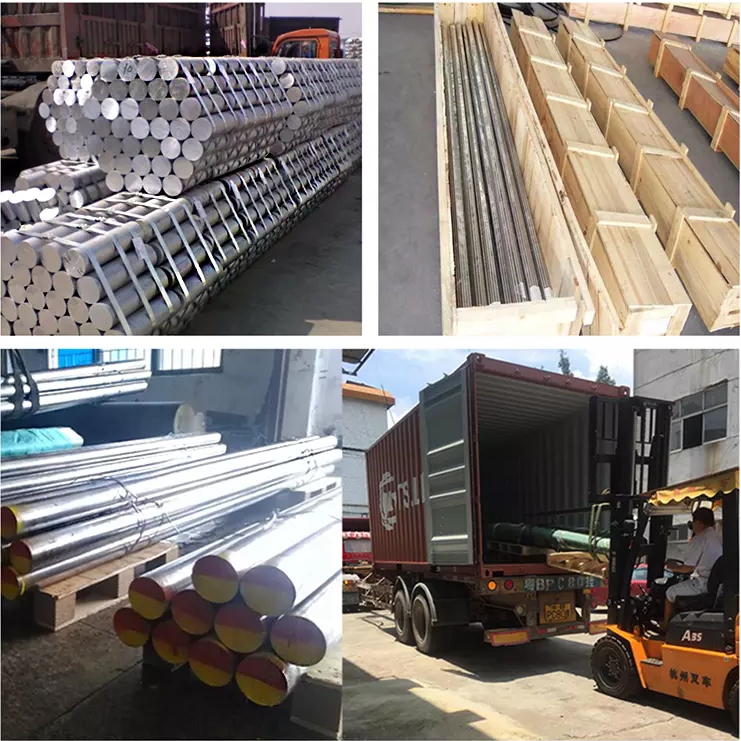

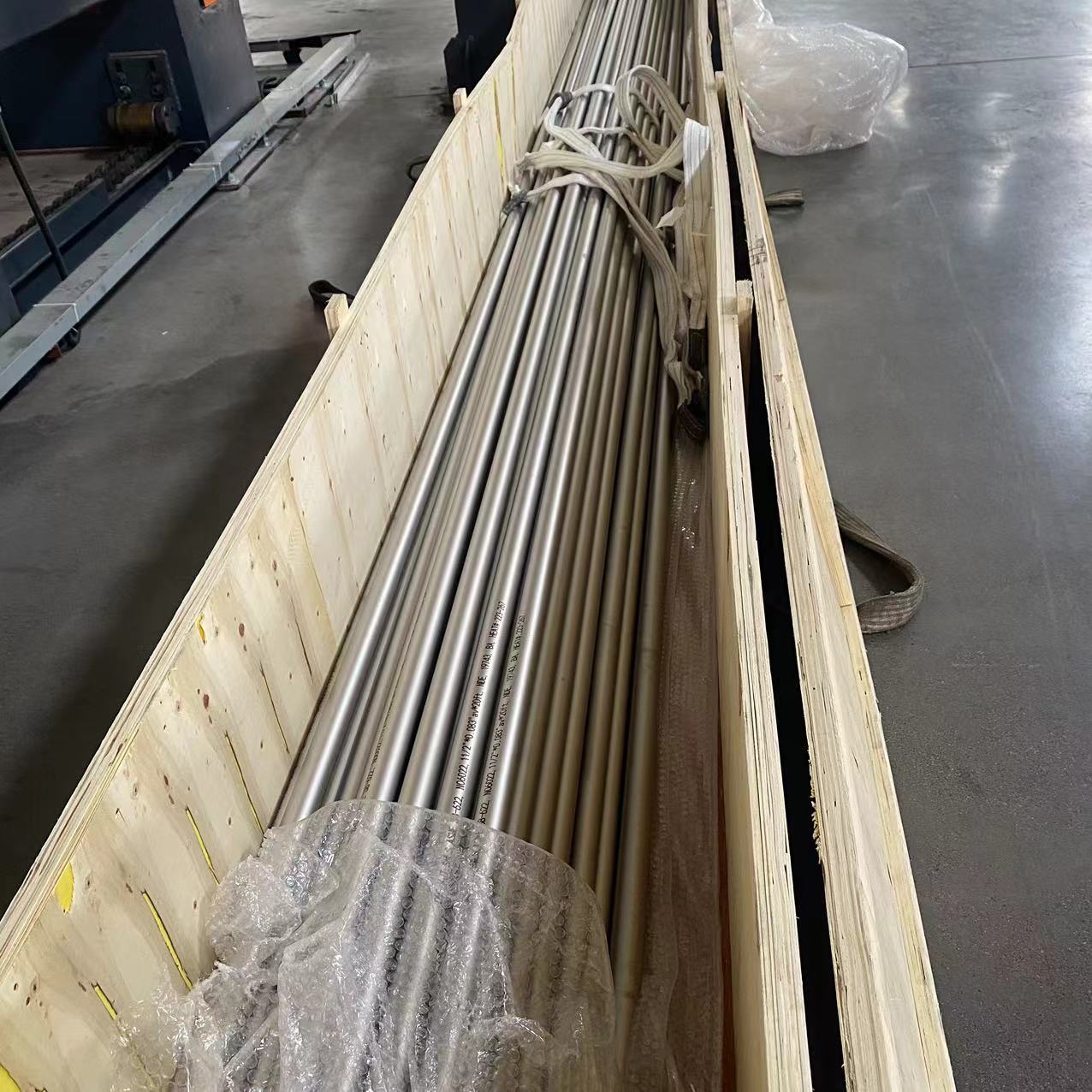

Image-use note for website publishing: the current images are third-party packaging references. Replace them with original MWalloys shipping photographs or images you have permission to use before treating this gallery as company-specific packaging evidence.
Key Principles of Nickel Alloy Export Packaging
Nickel alloys are supplied in a wide range of dimensions, material conditions and surface finishes. Packaging should reflect the actual product and the risks associated with storage, handling and the chosen transport route.
Protect the Surface
Clean, finished or precision-machined surfaces may need interleaving, protective sleeves, suitable wrapping or separators. Any protective film, oil or inhibitor must be compatible with the alloy, surface finish and intended use.
Prevent Mechanical Damage
Appropriate supports, blocking, edge guards, restraints and packaging strength help reduce movement during lifting, loading and transportation. Long bars and tubes require particular attention to support points and load distribution.
Manage Moisture and Contamination
Storage and shipment conditions should be considered when deciding whether moisture barriers, desiccants or other protection are appropriate. Products should be suitably prepared before being sealed in packaging to avoid trapping unwanted moisture.
Maintain Product Identification
Package labels and material markings should remain readable wherever required. Grade, dimensions, quantity, order reference and heat or lot traceability information should match the agreed documentation.
Packaging Should Match the Actual Shipment
There is no single packaging method suitable for every nickel alloy product. Surface-finished bars, heavy plates, thin precision tubes, fine wire and large coils have different handling and protection requirements. Confirm the actual packing arrangement before shipment.
Packaging Methods by Nickel Alloy Product Form
The table below outlines common packaging approaches. These are options to discuss and confirm for the order, not a promise that every package type is suitable or included for every product.
| Product Form | Possible Packaging | Main Protection Priorities | Information to Confirm |
|---|---|---|---|
| Round Bar / Rod | Secured bundles, wooden skids, suitable wooden cases or other reinforced supports. | Scratches, bending, end damage, rolling and movement during handling. | Diameter, length, number of pieces, bundle weight and lifting access. |
| Plate / Sheet | Supported pallets, reinforced skids or suitable wooden cases with interleaving and edge protection where required. | Surface abrasion, edge impact, contamination, moisture and load distortion. | Length, width, thickness, surface finish, flatness needs and package weight. |
| Pipe / Tube | Secured bundles, end caps, protective separators or long wooden cases as appropriate. | End deformation, scratches, internal contamination, ovality and load movement. | Outside diameter, wall thickness, length, product type and end-protection requirements. |
| Wire | Coils, spools, reels, protective sleeves or suitable cartons and cases. | Tangling, surface contamination, moisture, winding damage and broken wire. | Wire diameter, coil or spool specification, winding length or weight and packaging format. |
| Strip / Coil | Supported coil bases, suitable wrapping, coil restraints and reinforced outer packaging. | Edge damage, coil movement, telescoping, surface marks and deformation. | Coil weight, width, thickness, inner diameter, outer diameter and loading orientation. |
| Spring / Spring Wire | Protected coils, spools, reels, trays or suitable individual packaging. | Dimensional change, tangling, contamination, surface damage and winding deformation. | Wire or spring dimensions, required condition, loading arrangement and packaging quantity. |
Surface Protection and Moisture Control During Shipping
Packaging decisions should consider both mechanical damage and the environment encountered during transportation. Long ocean voyages, repeated temperature changes, warehouse storage and handling transfers can all affect the condition of a shipment.
Protective Wrapping
Suitable film, paper, sleeves or other approved barriers can reduce exposure to dirt, handling marks and moisture. Select materials that are compatible with the product and its intended service.
Corrosion-Inhibiting Materials
VCI materials or other corrosion-protection methods may be considered where appropriate. Confirm material compatibility, product cleanliness, storage duration and any customer restrictions before using them.
Moisture Barriers and Desiccants
For suitable packing configurations, moisture barriers or desiccants can be used as part of a planned protection system. Their effectiveness depends on sealing, initial product condition, package volume and expected transport and storage conditions.
Separation and Clean Handling
Where surface contamination or foreign-metal transfer is a concern, suitable separators, clean contact surfaces and careful handling can help reduce unwanted marks or contamination.
Important for Precision and Special-Surface Products
Do not apply oil, coatings, adhesives, corrosion inhibitors or protective films automatically to every nickel alloy. Some products require clean surfaces, specific finishes or protection-free delivery. Confirm the surface condition and packing method in the purchase specification.
Wooden Crates, Pallets and ISPM 15 Requirements
Wooden crates and pallets can provide structural support and protection for heavy or long metal products. However, wood packaging used in international trade may be subject to the destination country's plant-health requirements.
The International Plant Protection Convention (IPPC) publishes the International Standard for Phytosanitary Measures No. 15 (ISPM 15), which addresses phytosanitary measures for relevant wood packaging materials used in international trade.
What Buyers Should Confirm
1. Packaging material: Identify whether solid wood, plywood or another processed wood product will be used. Applicable requirements depend on the material and destination.
2. Compliance: Where ISPM 15 applies, confirm that the wood packaging meets the applicable treatment and marking requirements. Do not assume every wooden package or every destination is covered by identical rules.
3. Destination rules: Ask whether the importing country has additional import, customs or wood-packaging requirements.
4. Packaging documents: Confirm what supporting records or information are required for the specific shipment.
For the authoritative standard and implementation guidance, refer to the IPPC ISPM 15 publication and the IPPC Guide to Regulation of Wood Packaging Material .
These references provide background on regulated wood packaging, treatment options, marking and related phytosanitary controls. The actual requirements should be checked for the destination and package type.
Choosing a Shipping Method for Nickel Alloy Products
Shipping mode affects transit time, handling, package dimensions, freight costs and the packaging arrangement. The best choice depends on shipment size, destination, urgency, product value and transport constraints.
Ocean Freight
Often considered for heavier or larger shipments, including packaged bars, plates, pipes and coils. Plan for container loading, securing, moisture exposure, package dimensions and unloading arrangements.
Confirm the package count, gross weight, total volume and port or destination details before requesting a quote.
Air Freight
May be suitable for urgent shipments or smaller high-value consignments. Packaging dimensions and gross weight can significantly affect the freight quote.
Confirm the carrier's size, weight, packing and handling restrictions before finalizing the package.
Express Courier
May suit small parcels, short lengths or compact product packages, subject to the service provider's permitted dimensions, weight and commodity requirements.
Long bars, heavy metal packages and oversized items may require another transport arrangement.
Road or Multimodal Transport
Suitable for some domestic deliveries or combined international routes. Consider loading access, lifting points, restraint requirements and transfer between transport modes.
Confirm the agreed delivery location and responsibilities for loading, unloading and transport costs.
Freight Cost Is Not Determined by Net Metal Weight Alone
Freight providers may consider gross weight, package dimensions, chargeable weight, cargo type, route, service restrictions and other handling requirements. Chargeable-weight formulas and dimensional-weight divisors vary by carrier and service.
From Packaging Preparation to Shipment Dispatch
Confirm the Order
Check the material grade, product dimensions, quantity, surface condition and any special packing requirements.
Define Packaging
Agree on protection, separators, supports, package type, identification labels and any destination-specific packaging requirements.
Confirm Shipment Data
Establish the number of packages, outer dimensions, net weight, gross weight, destination and preferred transport arrangements.
Prepare Dispatch
Complete the agreed packing, product identification and applicable shipment documentation before dispatch.
Shipping Documents for Nickel Alloy Orders
The shipping-document package depends on the order, transport arrangement, destination and applicable import requirements. Confirm the required documents before dispatch rather than assuming that every document is issued for every transaction.
| Document | Purpose | What to Check |
|---|---|---|
| Commercial Invoice | Records the commercial transaction and relevant sale and shipment details. | Buyer, seller, material description, quantity, price, agreed trade term and currency. |
| Packing List | Describes package contents and packing information. | Number of packages, contents, dimensions, package weights and relevant marks. |
| Material Test Certificate (MTC) | Provides applicable material identification and test information. | Required grade, material records, relevant test results and traceability information. |
| Certificate of Origin | Documents the declared origin under the applicable origin requirements. | Required document type, origin rules, destination and issuing route. |
| Transport Document | Records relevant shipment and carriage details. | Applicable bill of lading, air waybill or other transport documentation. |
| Special Inspection Report | Records customer-requested testing or inspection agreed for the order. | Scope, applicable test method, acceptance criteria, issuing organization and separately agreed fees. |
For information about material certificates and additional testing costs, visit the Nickel Alloy Quality Control & Certification Guide .
Prepare a Nickel Alloy Shipping Information Request
Enter the product and package information you already have. This tool calculates a basic package-volume estimate and generates a shipping inquiry that you can copy or email to MWalloys. Freight rates, carrier chargeable weight and final delivery costs must still be confirmed by the shipping provider.
Shipping and Packaging Inquiry
Review the generated details before sending them to MWalloys for packing and freight review.
The volume calculation is a geometric estimate based on rectangular outer package dimensions. It is not a freight quotation and does not calculate a carrier's chargeable weight. Final package dimensions, weight, freight class where applicable, route, carrier rules and delivery costs must be confirmed.
Shipping Terms and Delivery Responsibilities
Buyers may request a quotation under EXW, FCA, FOB, CIF, DAP, DPU or DDP terms, depending on the intended transport arrangement and agreed transaction. The applicable Incoterms rule affects matters such as delivery, risk transfer, cost allocation and certain transportation or customs responsibilities.
A shipping inquiry should specify the intended port or exact delivery place rather than merely naming a trade term. For example, when requesting a delivered quotation, provide the full destination address where available. The final term and named location should be agreed by both parties.
Refer to the International Chamber of Commerce Incoterms® rules for further information.
Frequently Asked Questions About Nickel Alloy Shipping
How are nickel alloy bars packaged for export?
Depending on the dimensions, surface and shipping method, bars may be packed in strapped bundles, supported skids or suitable wooden cases. The arrangement should prevent rolling, movement, surface damage and handling-related deformation. Confirm the required packing method for your order.
How should nickel alloy plates and sheets be protected?
Suitable measures may include surface separation, protective coverings, edge protection, reinforced pallets or wooden cases. The appropriate arrangement depends on thickness, surface finish, dimensions, weight and handling requirements.
Does international wooden packaging need ISPM 15 compliance?
Relevant wood packaging material used in international trade may be subject to ISPM 15 requirements. Applicability and exemptions depend on the packaging material and destination rules. Confirm the applicable requirements rather than assuming every type of wooden or processed-wood packaging is treated identically.
Can I request custom packaging for nickel alloy products?
You can specify packaging preferences during the RFQ stage, including wooden cases, protective wrapping, end protection, labels and other requirements. Feasibility, material compatibility, extra packaging costs and effects on freight charges should be confirmed before the order is finalized.
What information is needed for a freight quotation?
Useful information includes the product grade and form, quantity, number of packages, final package dimensions, gross and net weights, destination, preferred transport mode and required delivery term. Final freight pricing also depends on the route, carrier, service, handling restrictions and applicable freight rules.
What is the difference between net weight and gross weight?
Net weight refers to the material itself under the agreed weighing basis. Gross weight includes the material and its packaging. For freight planning, the gross weight of each package and the overall shipment dimensions are often important.
Will the shipment include a Material Test Certificate?
The applicable MTC forms part of the agreed shipment documentation for a confirmed order. Any additional test report, third-party inspection or special certificate should be specified and confirmed in advance. Additional testing or inspection services may involve separate charges.
Can a supplier guarantee that packaging prevents all corrosion?
No general packaging method can guarantee that all corrosion or surface changes will be prevented under every storage and transport condition. Protection depends on the product surface, initial condition, package design, sealing, environmental exposure, handling and the duration of storage and transit.
Technical References and Shipping Resources
- International Plant Protection Convention — ISPM 15
- IPPC — Guide to Regulation of Wood Packaging Material
- International Chamber of Commerce — Incoterms® Rules
- MWalloys — Quality Control & Inspection
- MWalloys — Nickel Alloy Products
This guide provides general packaging and logistics information. The actual packaging method, shipping documents, freight quote and destination requirements must be confirmed for each order.
Need a Nickel Alloy Shipping or Packaging Quote?
Send MWalloys the material grade, product form, dimensions, quantity, destination and any packaging requirements. For freight estimation, include the number of packages, outer package dimensions and available gross and net weights.