

미러 마감의 맞춤형 고광택 광택 스테인리스강은 Ra 0.05 µm의 낮은 표면 거칠기 값, 90% 이상의 반사율, 1,000시간 이상의 ASTM B117 염수 분무 표준에 따른 내식성을 제공하므로 건축 클래딩, 식품 등급 장비, 의료 기기 및 고급 소비재를 위한 최고의 선택이 될 수 있습니다. 당사는 매년 2,000톤 이상의 미러 마감 스테인리스 스틸을 가공하고 있으며, 진정한 #8 미러 광택을 구현하려면 최소 5단계의 점진적 연삭 및 버핑 단계, 일치하는 합금 선택, 엄격한 공정 관리가 필요하며 대부분의 표준 밀에서는 제공하지 않는 공정 관리가 필요하다는 것을 확인할 수 있습니다.
프로젝트에 맞춤형 고광택 광택 스테인리스 스틸을 사용해야 하는 경우 다음을 수행할 수 있습니다. 문의하기 무료 견적을 요청하세요.
미러 마감 스테인리스 스틸이란 무엇이며 어떻게 분류되나요?
미러 마감 스테인리스 스틸은 광학에 가까운 선명도로 빛을 반사할 수 있을 정도로 기계적으로 연마된 금속 표면으로, 기본적으로 금속 거울과 같은 기능을 합니다. 이 마감은 국제 표준에 따라 분류되며, 가장 일반적으로 ASTM A480/A480M에 정의된 8번 마감과 유럽 전역에서 널리 사용되는 동등한 EN 10088-2 2J 마감으로 분류됩니다.
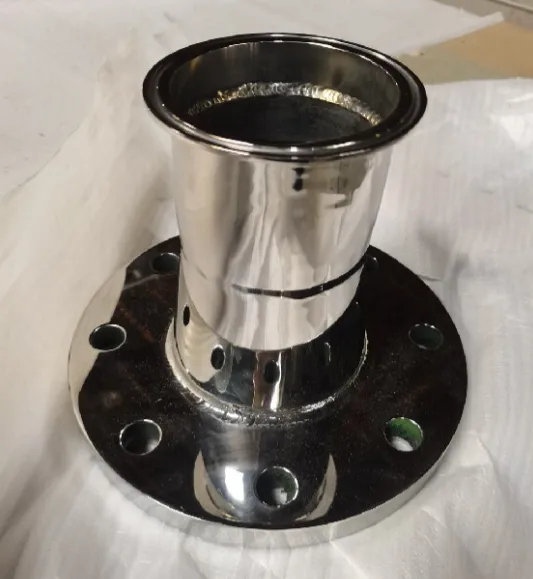
표면 마감 넘버링 시스템 설명
스테인리스 스틸 표면 마감 분류 체계는 원가공 마감부터 반사율이 가장 높은 광택 마감에 이르기까지 다양합니다. 다음 표에는 가장 일반적으로 참조되는 명칭이 요약되어 있습니다:
| 마감 지정 | 설명 | Ra 값(µm) | 일반적인 애플리케이션 |
|---|---|---|---|
| 1위 | 열간 압연, 어닐링, 절임 | 3.0 - 6.0 | 산업 구조 |
| 2B | 냉간 압연, 어닐링, 절임, 경량 압연 | 0.1 - 0.5 | 일반 제작 |
| 4번 | 브러시/새틴 마감, 단방향성 | 0.2 - 0.8 | 주방 장비, 건축 패널 |
| 6번 | 탐폰/스카치 브라이트 등가물 | 0.3 - 0.6 | 장식, 자동차 트림 |
| 7번 | 고광택, 약간의 반사율이 남음 | 0.05 - 0.1 | 프리미러, 장식용 |
| 8번 | 미러 마감, 최대 반사율 | ≤ 0.05 | 건축, 의료, 명품 |
| 8+ / 슈퍼 미러 | 표준 8번을 뛰어넘는 초정밀 | ≤ 0.025 | 반도체, 광학, 프리미엄 데코 |
출처: 평판 압연 스테인리스 및 내열 강판, 시트 및 스트립에 대한 일반 요구 사항에 대한 ASTM A480/A480M 표준 사양; EN 10088-2:2014.
Ra(거칠기 평균) 값은 마이크로미터 단위로 측정된 평균선으로부터의 프로파일 편차 절대값의 산술 평균입니다. Ra ≤ 0.05µm의 8번 미러 마감은 표면 편차가 가시광선 파장에 가까운 50나노미터 미만이라는 의미입니다.
미러 마감 스테인리스 스틸의 맥락에서 "맞춤 제작"이란 무엇을 의미하나요?
MWalloys에서 "맞춤 제작"이라는 용어는 단순히 표면이 연마된 판재를 주문하는 것 이상의 의미를 담고 있습니다. 맞춤형 생산에는 다음이 포함됩니다:
- 비표준 치수너비 1,500mm 이상, 두께 0.3mm~80mm, 최대 6,000mm 길이의 시트 절단 가능.
- 단면 연마 대 양면 연마엘리베이터 내부와 같은 애플리케이션은 양면을 8번으로 연마해야 하는 반면, 구조 패널은 단면만 처리하면 될 수도 있습니다.
- 맞춤형 기판 준비연마를 시작하기 전에 기존의 표면 결함, 용접 이음새 또는 롤링 라인을 제거합니다.
- 보호 필름 라미네이션운송 및 제작 중 긁힘을 방지하기 위해 폴리싱 후 즉시 PE 또는 PVC 보호 필름을 적용합니다.
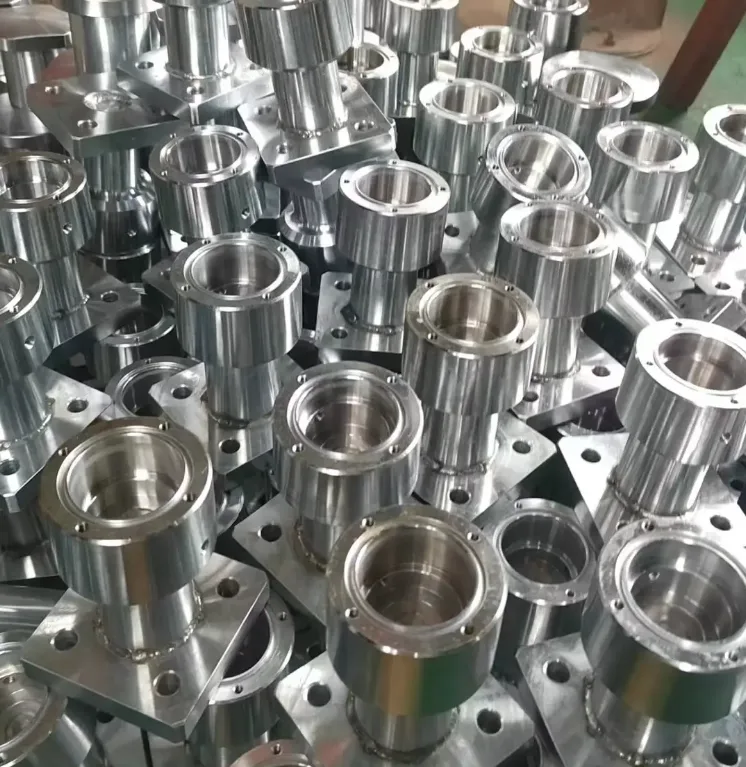
- 프로필 및 양식 사용자 지정평면 시트뿐만 아니라 거울 광택 튜브, 앵글, 원형 바 및 맞춤형 제작 모양도 가능합니다.
이러한 수준의 맞춤화는 상품 유통업체가 종종 부족한 부분이며, MWalloys와 같은 전문 프로세서가 공급망에 측정 가능한 가치를 더하는 분야입니다.
거울 연마에 가장 적합한 스테인리스 스틸 등급은 무엇입니까?
모든 스테인리스 스틸 재종이 미러 폴리싱에 동일하게 반응하는 것은 아닙니다. 금속 성분, 특히 탄소 함량, 황 함량, 입자 구조에 따라 달성 가능한 표면 품질과 공정 난이도가 결정됩니다.
등급별 광택성 비교
| 등급 | 유형 | 주요 합금 원소 | 광택성 등급 | 일반적인 미러 애플리케이션 |
|---|---|---|---|---|
| 304 / 1.4301 | 오스테나이트 | 18% Cr, 8% Ni | 우수 | 건축, 식품 장비, 장식 |
| 316 / 1.4401 | 오스테나이트 | 18% Cr, 10% Ni, 2% Mo | 우수 | 해양, 제약, 의료 |
| 316L / 1.4404 | 오스테나이트(저탄소) | 18% Cr, 12% Ni, 2% Mo | 우수 | 용접 의료 어셈블리 |
| 430 / 1.4016 | 페리틱 | 17% Cr | Good | 실내 건축 패널 |
| 201 / 1.4372 | 오스테나이트(Mn 치환) | 17% Cr, 4% Ni, 6% Mn | Good | 비용에 민감한 장식 |
| 2205 / 1.4462 | 이중화 | 22% Cr, 5% Ni, 3% Mo | 보통 | 고강도 구조 |
| 310S / 1.4845 | 오스테나이트(높은 Cr) | 25% Cr, 20% Ni | 보통 | 고온 애플리케이션 |
출처: SSINA(북미 특수강 산업) 등급 선택 가이드; 아웃오쿰푸 스테인리스 스틸 핸드북 2021.
거울 연마에 유황 함량이 중요한 이유는 무엇인가요?
스테인리스 스틸 기판의 황 함량은 완벽한 거울 마감을 달성하는 데 있어 가장 중요하지만 가장 자주 간과되는 요소 중 하나라는 점은 구매 엔지니어에게 아무리 강조해도 지나치지 않습니다.
자유 가공 등급(예: 303 스테인리스)에는 가공성을 향상시키기 위해 최대 0.15%의 황 첨가제가 중량 기준으로 포함되어 있습니다. 이러한 황 첨가제는 연마 시 어두운 구덩이 또는 줄무늬로 나타나는 황화망간(MnS) 내포물을 형성합니다. 에 발표된 연구에 따르면 부식 과학 (52권 7호, 2010년)에 따르면 MnS 내포물은 피팅 부식의 주요 핵 형성 부위이며, 연속적이고 결함 없는 거울 표면을 얻지 못하게 하는 응력 집중 장치로도 작용합니다.
진정한 8번 미러 마감 작업의 경우, 당사는 항상 중량 기준 S ≤ 0.005%의 저유황 등급을 지정합니다. 표준 304 및 316은 대부분의 미러 애플리케이션에 허용되는 S ≤ 0.030%를 준수하지만 광학 품질이 까다로운 작업에는 최대 황 함유량이 제한된 밀 인증 소재를 주문해야 할 수 있습니다.
미러 애플리케이션을 위한 오스테나이트와 페라이트 계급 비교
오스테나이트 등급(304, 316 제품군)은 여러 가지 이유로 미러 마감재 시장을 지배하고 있습니다:
- 비자성 구조: 면 중심 입방체(FCC) 결정 구조로 더욱 균일한 표면을 생성하여 더욱 균일하게 연마합니다.
- 더 높은 니켈 함량: 니켈은 고광택 마감재를 더 쉽게 받아들이고 유지하는 더 매끄러운 패시브 산화물 층을 만드는 데 기여합니다.
- 연성 향상: 오스테나이트 재종은 파쇄 전에 소성 변형되므로 연마 연마재가 결정체를 파쇄하지 않고 표면을 연마하여 Ra 값이 낮아집니다.
페라이트계(430, 439)는 미러 마감 처리가 가능하지만 바디 중심 입방체(BCC) 구조로 인해 약간의 이방성 연마 거동이 발생하며 0.05µm 미만의 Ra 값을 일관되게 달성하려면 더 많은 공정 제어가 필요합니다. 비용이 중요한 실내 장식용 애플리케이션의 경우, 430 미러 마감도 충분히 사용할 수 있습니다. 실외 또는 부식성 환경의 경우 316L을 권장합니다.
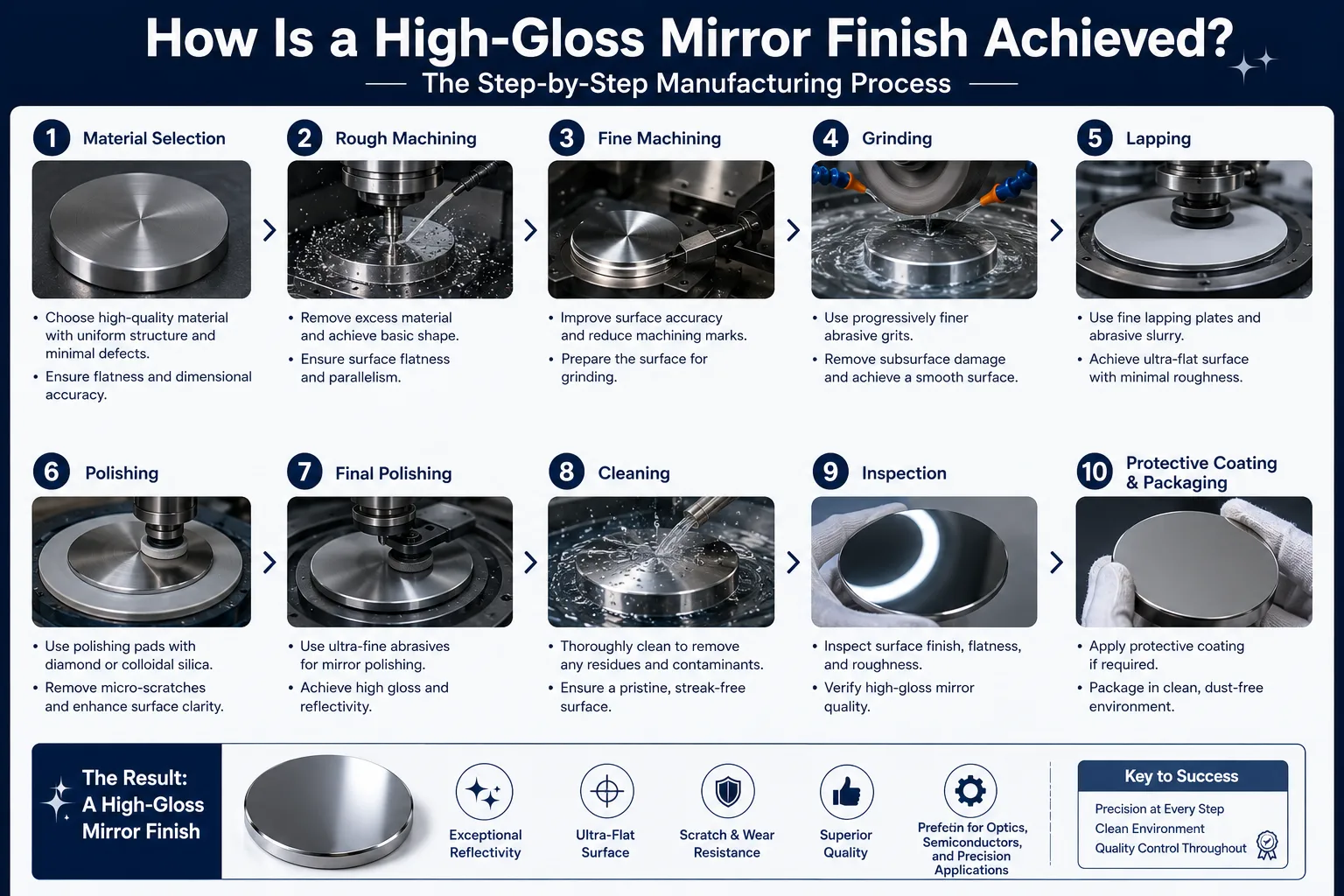
고광택 거울 마감은 어떻게 이루어지나요? 단계별 제조 공정
정품 8번 미러 마감재를 생산하는 것은 한 번의 연마 단계가 아니라 세심한 재료 제거 및 표면 정련 과정을 거쳐야 합니다. 엠월로이스는 표준 미러 작업의 경우 최소 5단계 공정을 따르며, 슈퍼 미러 사양의 경우 추가 단계를 거칩니다.
1단계 - 기판 준비 및 입고 검사
연마제가 금속에 닿기 전에 실시합니다:
- 최소 500룩스 조명 아래에서 스크래치, 찌그러짐, 내포물 또는 롤링 결함이 있는지 육안으로 검사합니다.
- 보정된 디지털 마이크로미터를 사용하여 두께를 확인합니다(정확도 ±0.001mm).
- 로크웰 B 스케일을 사용한 경도 검증(표준 304는 85-90 HRB로 표시되어야 함).
- 등급 확인을 위해 휴대용 XRF(X선 형광) 분석기를 통한 화학적 검증.
이 단계에서 해결되지 않은 기판 결함은 폴리싱 공정을 통해 확대됩니다. 입고되는 2B 시트의 50µm 깊이 스크래치를 제거하려면 최소 100µm의 재료를 제거해야 하며, 이는 치수 공차에 영향을 미칩니다.
2단계 - 거친 연삭(P120-P180 그릿)
첫 번째 연마 단계에서는 알루미늄 산화물 또는 탄화규소 벨트 또는 디스크(P120~P180 그릿)를 사용하여 제거합니다:
- 롤링 밀 스케일 잔여물.
- 이전 처리로 인한 표면 스크래치.
- 용접 비드 프로파일(맞춤형 제작 어셈블리용).
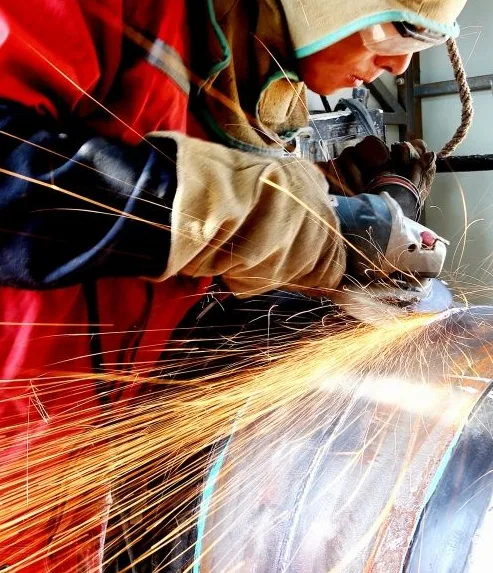
이 단계에서 Ra 값은 일반적으로 0.5~1.5 µm 범위이며, 표면은 눈에 띄는 방향성 연마 자국으로 균일하게 긁힌 것처럼 보입니다. 과열을 방지하기 위해 벨트 속도, 접촉 압력 및 이송 속도가 제어됩니다. 약 150°C를 초과하는 열 입력은 304 재종에서 입자 경계에서 크롬 탄화물을 침전시키는 감응화("용접 붕괴" 또는 감응화로 알려진 현상, 입자 간 공격에 대한 감수성 테스트에 설명된 ASTM A262 Practice A에 설명되어 있음)를 유발할 수 있습니다.
3단계 - 중간 연삭(P240-P400 그릿)
점진적 그릿 감소는 이전 단계의 스크래치 패턴을 제거합니다. 이후 각 그릿은 자체 스크래치 깊이보다 약 2~3배 더 깊은 스크래치를 제거해야 합니다. 이 단계에는 일반적으로 두세 번의 그릿 변경(P240, P320, P400)이 포함됩니다.
P400 연삭 후:
- Ra 값: 0.1-0.3 µm.
- 표면은 미세하고 균일한 스크래치 라인으로 약간 밝게 나타납니다.
- 10배 배율에서는 스크래치 패턴이 일관되게 단방향이어야 합니다.
4단계 - 미세 연마(P600-P1200 및 연마 컴파운드)
미세 연마는 재료 제거에서 표면 다듬기로 전환합니다. 우리는 사용합니다:
- P600-P800 연마지 또는 벨트더 미세한 스크래치 패턴으로 전환합니다.
- 액체 연마 화합물입자 크기가 1-5 µm인 산화크롬 또는 산화알루미늄 현탁 화합물.
- 면 또는 사이 잘삼 연마 휠 1,500~2,500RPM의 속도에서.
이 단계에서 표면 Ra는 0.08~0.12 µm에 가까워지고 눈에 띄는 반사율을 보이기 시작합니다. 물체가 표면에 반사되어 보이지만 눈에 보이는 왜곡이 있습니다.
5단계 - 최종 버핑 및 미러 개발
중요한 최종 단계에서 사용합니다:
- 미세 버핑 컴파운드입자 크기가 0.1-0.5 µm인 산화 세륨 또는 다이아몬드 페이스트.
- 부드러운 면 또는 펠트 버핑 걸레 제어된 속도로.
- 일관된 중복 패스 를 사용하여 "오렌지 껍질" 텍스처가 일관성 없이 접촉하는 것을 방지합니다.
최종 버핑 후 0.05µm 이하의 Ra 값을 확인합니다. 표면은 1미터 떨어진 곳에 놓인 물체를 왜곡 없이 선명하게 반사해야 합니다. 이를 테스트하기 위해 표준 해상도 테스트 카드(ISO 12233 원칙에 따라 조정)를 광택 처리된 패널 앞에 놓고 반사를 촬영하여 반사율 품질을 문서화합니다.
6단계 - 전해 연마(옵션, 슈퍼 미러 사양의 경우)
Ra ≤ 0.025 µm(슈퍼 미러)가 필요한 애플리케이션의 경우, 전기 연마는 기계적 연마에 이어 사용됩니다. 전기 연마는 인산/황산 용액이 포함된 전해 셀에서 공작물이 양극 역할을 하는 전기 화학 물질 제거 공정입니다.
금속 마감 협회(MFA 기술 보고서, 2019)에서 발표한 자료에 따르면, 전기 연마는 10~30µm의 균일한 층을 제거하여 미세한 표면 이형성(피크)을 우선적으로 공격하여 수학적으로 Ra 값을 감소시킵니다. 다음과 같은 이점이 있습니다:
- 기계적으로 연마된 값보다 30~50%의 Ra 감소.
- 내식성 향상(전기 연마 후 패시브 층 두께가 ~2nm에서 ~5nm로 증가, XPS 표면 분석 데이터 기준)
- 표면 오염 및 내장된 연마재 제거.
보호 필름 적용
폴리싱 직후와 취급 전에 모든 폴리싱 표면에 감압 폴리에틸렌(PE) 또는 PVC 필름을 부착합니다. 필름 박리 접착 강도는 일반적으로 50-150g/cm²로, 제작 중에는 제자리에 유지되지만 가공이 완료된 후에는 표면 접착제 잔여물 없이 제거할 수 있습니다.
주요 표면 마감 표준은 무엇이며 어떻게 읽을 수 있나요?
정확한 표준을 참조하지 않고 미러 마감 스테인리스 스틸을 지정하면 비용이 발생하고 거부당할 수 있는 모호함이 생깁니다. 다음은 주요 국제 표준을 비교한 것입니다:
국제 표면 마감 표준 비교
| 표준 | 조직 | 미러 지정 | Ra 사양 | 참고 |
|---|---|---|---|---|
| ASTM A480/A480M | ASTM 국제 | 8번 | 표준에 수치로 명시되지 않음 | 시각적 비교기에 의존 |
| EN 10088-2 | 유럽 표준화 위원회 | 2J | ≤ 0.1µm(표시) | ASTM보다 더 규범적 |
| JIS G 4305 | 일본 산업 표준 | BA, #800, #1000 | 0.03-0.1 µm | 아시아 시장에서 공통 |
| ISO 1302 | 국제 표준화 기구 | N1-N12 스케일 | Ra 수치로 정의된 | 엔지니어링 도면 콜아웃 표준 |
| DIN 8200 | 독일 표준화 연구소 | Rmax, Rz 매개변수 | 미러 클래스의 경우 Rmax ≤ 0.5µm | 독일어 사양 프로젝트에서 일반적 |
출처: ASTM 국제 간행물 라이브러리; EN 10088-2:2014 스테인리스강 - 시트/플레이트의 기술 납품 조건; JIS G 4305:2021.
적절한 표면 마감 사양을 작성하는 방법
미러 마감 스테인리스 스틸에 대한 구매 주문서 또는 엔지니어링 도면 콜아웃을 작성할 때는 다음 요소를 모두 포함할 것을 권장합니다:
- 기본 재료: 등급 및 표준(예: ASTM A240/A240M에 따른 316L)
- 완료 지정: ASTM A480/A480M에 따른 8번 또는 EN 10088-2에 따른 2J.
- Ra 요구 사항≤ 0.05µm(8번의 경우) 또는 ≤ 0.025µm(슈퍼미러의 경우)
- 검사 방법: ISO 4288에 따른 접촉식 프로파일로미터(스타일러스) 또는 비접촉식 광학 프로파일로미터.
- 샘플 크기 및 수락: ANSI/ASQ Z1.4 샘플링 계획에 따른 AQL(허용 가능한 품질 수준).
- 보호 포장: PE 필름, 인터리빙 용지 또는 폼 포장을 지정합니다.
- 테스트 보고서 필요: 밀 인증서(EN 10204 유형 3.1 또는 3.2), 표면 거칠기 측정 보고서.
맞춤형 미러 폴리싱 스테인리스 스틸을 사용하는 산업은 무엇이며 그 이유는 무엇인가요?
미러 마감 스테인리스 스틸은 틈새 제품이 아닙니다. 미관, 내식성, 위생 및 기계적 강도가 결합되어 다양한 산업 분야에서 활용되고 있습니다.
산업 애플리케이션 요약 표
| 산업 | 일반적인 애플리케이션 | 사용 등급 | 주요 요구 사항 |
|---|---|---|---|
| 건축 및 인테리어 디자인 | 엘리베이터 내부, 벽 클래딩, 기둥 커버 | 304, 316 | 심미성, 평탄성, 스크래치 저항성 |
| 식품 가공 | 탱크, 호퍼, 컨베이어 표면 | 316L | 위생, 청결성, FDA 규정 준수 |
| 제약 | 원자로, 멸균 처리 장비 | 316L, 316L ELI | Ra ≤ 0.5µm(공정), Ra ≤ 0.05µm(초정밀) |
| 의료 기기 | 수술 기구, 임플란트 인접 부품 | 316L, 17-4 PH | 생체 적합성, 표면 무결성 |
| 자동차 | 트림 링, 배기 팁, 장식 부품 | 304, 430 | 광택 후 성형성, 실외 내구성 |
| 소비자 가전 | 시계 케이스, 휴대폰 프레임, 장식용 베젤 | 316L, 17-4 PH | 표면 균일성, 치수 정밀도 |
| 반도체 | 진공 챔버 구성품, 웨이퍼 취급 | 316L, 전기 연마 | 초저 Ra, 입자 오염 제어 |
| 해양 | 선박 피팅, 갑판 하드웨어 | 316, 2205 | 염화물 내식성 |
| 럭셔리 상품 | 가구, 주방용품, 간판 | 304, 316 | 시각적 균일성, 반사율 |
건축 및 인테리어 디자인 애플리케이션
건축용은 전 세계적으로 미러 마감 스테인리스강에서 가장 큰 규모의 단일 시장을 형성하고 있습니다. Grand View Research의 시장 분석(2023년)에 따르면 2022년 글로벌 건축용 스테인리스강 시장 규모는 약 284억 달러로, 장식용 부문에서 미러 폴리싱 시트가 약 18~2%를 차지할 것으로 예상됩니다.
주요 아키텍처 용도는 다음과 같습니다:
엘리베이터 객실 인테리어: 클래식 애플리케이션. 표준 2.1m × 1.4m의 엘리베이터 캡 내부에는 약 8~10개의 거울 광택 스테인리스 스틸 패널이 필요합니다. 문제는 모든 패널에서 일관된 반사율을 유지하는 것입니다. 패널 간의 광택 수준 차이가 승객에게 즉시 눈에 띄기 때문입니다. 대형 엘리베이터 프로젝트에 여러 개의 패널이 필요한 경우 동일한 생산 공정에서 일치하는 코일을 공급받습니다.
커튼월 클래딩: 대형 미러 마감 패널(최대 3,000mm × 1,500mm)은 프리미엄 상업용 건물의 외장재로 사용됩니다. 반사 표면은 입사 복사를 반사하여 태양열을 감소시키는데, 로렌스 버클리 국립연구소의 건물 외피 재료 연구 데이터에 따르면 적절하게 연마된 8번 표면은 65-75%의 태양 복사를 반사하는 반면 2B 표면의 경우 20-30%의 복사를 반사하는 것으로 나타났습니다.
기둥 커버 및 리셉션 데스크: 거울 표면이 공간이 넓어 보이는 착각을 불러일으키며 프리미엄 브랜드 환경에 기여하는 인테리어 포인트 요소입니다.
식품 및 제약 등급 요구 사항
식품 가공 및 제약 산업은 미관보다는 위생에 따라 표면 마감에 대한 특정 요구 사항이 있지만, 두 산업은 종종 일치하는 경우가 많습니다.
FDA의 연방 규정집(21 CFR Part 117)은 식품 접촉 표면이 "매끄럽고 쉽게 청소할 수 있어야 한다"고 규정하고 있습니다. 유럽 위생 엔지니어링 및 디자인 그룹(EHEDG) 문서 8은 정량적 지침을 제공합니다. 식품 접촉 표면은 최소 Ra ≤ 0.8µm를 달성해야 하며, 중요한 애플리케이션은 Ra ≤ 0.4µm를 지정해야 합니다.
제약 애플리케이션의 경우, 가장 최근에 개정된 2022년 ASME BPE(바이오프로세싱 장비) 표준에 명시되어 있습니다:
- SF1(표준 식품): Ra ≤ 0.8 µm
- SF2(제약 등급): Ra ≤ 0.5 µm
- SF3(초청정): Ra ≤ 0.25 µm
- SF4(초고순도): Ra ≤ 0.125 µm
Ra ≤ 0.05 µm를 생성하는 미러 마감 연마는 모든 ASME BPE 범주를 초과하므로 제약 고객들은 미관이 아닌 검증된 세척성 및 바이오필름 형성에 대한 저항성을 위해 용기 내부 표면에 미러 연마를 지정하는 경우가 많습니다.
차원 사용자 지정 옵션은 성능과 비용에 어떤 영향을 미치나요?
Understanding how dimensional parameters interact with polishing costs and performance helps procurement teams make informed trade-offs. This section breaks down the key variables.
두께와 연마 난이도에 미치는 영향
| 두께 범위 | Polishing Challenge | Typical Ra Achievable | Relative Cost Premium Over 2B |
|---|---|---|---|
| 0.3 – 0.8 mm | High — thin material deflects under polishing pressure | 0.05 – 0.10 µm | +60–80% |
| 1.0 – 2.0 mm | Moderate — some flexibility, requires support backing | 0.04 – 0.08 µm | +40–60% |
| 2.0 – 6.0 mm | Low — rigid enough for stable polishing | 0.03 – 0.06 µm | +25–45% |
| 6.0 – 20 mm | Low to Moderate — heavy material handling requirements | 0.04 – 0.08 µm | +35–55% |
| >20 mm (plate) | Moderate — surface area is smaller relative to handling cost | 0.05 – 0.10 µm | +50–70% |
Thin gauges (below 1.0 mm) present particular challenges because the polishing contact force flexes the metal, creating inconsistent material removal and "waves" in the finished surface. We use vacuum-backed polishing tables for gauges below 0.8 mm to maintain flatness during polishing.
너비 및 길이 고려 사항
Standard polishing lines process widths up to 1,524 mm (60 inches). Custom widths beyond this require specialized wide-belt polishing systems or manual bench polishing, both of which affect:
- Production speed: wide-belt lines process at 2–8 meters per minute; manual bench polishing is typically 0.3–1.0 meter per minute.
- Surface consistency: automated lines produce more consistent Ra values across the width; manual polishing requires highly skilled operators to maintain uniformity.
- 리드 타임: custom-width polishing may require dedicated machine setup time, adding 5–10 business days to standard lead times.
맞춤형 제작 양식: 튜브, 프로파일 및 복잡한 모양
Mirror polishing is not limited to flat sheet and plate. We regularly produce mirror-finished:
- Round tubes: OD from 6 mm to 300 mm, using internal mandrel-supported polishing for seamless tube interiors (critical for food-grade piping).
- Square and rectangular tubes: Flat face polishing on each face, with edge treatment to maintain consistency around corners.
- Angle and channel sections: Polishing each flat face independently, with particular attention to the inside radii where abrasive access is limited.
- Custom laser-cut profiles: Mirror-finish sheet cut to complex geometries, with post-cutting edge deburring to prevent injury and maintain aesthetics.
The cost of polishing complex forms is typically 2–4× the cost of polishing equivalent flat sheet, reflecting the additional process time and skill required.
진정한 미러 마감을 보장하는 품질 관리 및 검사 방법에는 어떤 것이 있나요?
Quality control for mirror-finish stainless steel operates at three levels: in-process monitoring, final inspection, and documentation.
표면 거칠기 측정 방법
| 방법 | Instrument | 표준 | 정확성 | 최상의 대상 |
|---|---|---|---|---|
| Contact Stylus Profilometry | Taylor Hobson Talysurf, Mitutoyo SJ series | ISO 4288, ISO 25178 | ±5% | Production floor QC |
| Non-Contact Optical Profilometry | Zygo NewView, Keyence VK series | ISO 25178 | ±2% | Research, high-precision inspection |
| White Light Interferometry | Bruker ContourGT | ISO 25178 | ±1% | Semiconductor, aerospace validation |
| Atomic Force Microscopy (AFM) | Bruker Dimension Icon | ISO 25178 | ±0.1 nm | Super-mirror, R&D |
For production quality control, contact stylus profilometry per ISO 4288 is the industry standard. The stylus tip radius is typically 2 µm, and the measurement cutoff wavelength (λc) is selected based on the expected roughness scale — for mirror-finish work, λc = 0.25 mm or 0.08 mm is typical.
육안 검사 프로토콜
Numerical Ra alone does not fully characterize a mirror finish. Visual inspection remains essential for detecting:
- Orange peel texture: A macro-scale waviness pattern from inconsistent buffing pressure.
- Haze or cloudiness: Sub-surface stress from aggressive polishing without adequate compound progression.
- Linear scratches: From abrasive contamination in buffing wheels or compounds.
- Staining or discoloration: Heat tint from excessive polishing speeds, or acid residue from electrolytic polishing.
Our standard visual inspection is conducted under:
- White fluorescent light at 1,000 lux minimum.
- Inspection angle: 45° incidence, 45° reflection geometry.
- Viewing distance: 500 mm to 1,000 mm.
- Accept/reject criteria documented against ASTM A480 visual quality standards.
평탄도 및 웨이브니스 검증
For architectural panels, flatness is as critical as surface roughness. A mirror-finish panel with poor flatness distorts reflections dramatically — what appears to be a minor 1 mm bow in a 1,000 mm panel creates visible image distortion in the reflection.
We measure flatness using:
- Precision granite surface plates per ISO 8512 for small panels.
- Laser scanning for large panels (> 1,000 mm × 1,000 mm)
- Specified maximum flatness tolerance: ≤ 1 mm per 1,000 mm for architectural grade.
미러 마감 스테인리스 스틸은 대체재와 비교했을 때 어떤 차이가 있나요?
Buyers frequently evaluate mirror-finish stainless steel against other high-gloss materials. Here is an objective comparison:
고광택 애플리케이션을 위한 소재 비교
| 속성 | Mirror SS 316L | Chromium-Plated Steel | Anodized Aluminum | PVD-Coated SS | Acrylic/Polycarbonate |
|---|---|---|---|---|---|
| 반사도 | 85–92% | 70–80% | 70–85% (dependent on dye) | 60-80% | 90–92% (transparent) |
| 내식성 | Excellent (Cl- resistant) | Poor in Cl- environment | Good (indoor), Moderate (marine) | 우수 | Good |
| Scratch Hardness (Mohs scale) | 5.5-6.5 | 5–6 | 3–4 (anodize layer) | 7–8 (TiN PVD) | 2-3 |
| 최대 서비스 온도 | 870°C (304), 925°C (310) | 200°C max | 150°C | 400°C | 80–120°C |
| Hygienic Compliance | FDA, EHEDG, ASME BPE | Not suitable for food contact | FDA compliant (uncoated) | 애플리케이션별 | FDA-approved grades exist |
| 재활용 가능성 | 100%, high scrap value | Complex (hazardous Cr plating) | 100% | 100% (base metal) | Limited, low value |
| Typical Cost (relative) | 1.0× (baseline) | 0.7–0.9× | 0.5–0.7× | 1.2–1.5× | 0.2–0.4× |
| Lifespan (outdoor) | 20–50+ years | 5-10년 | 10–20 years | 15–30 years | 5-15년 |
Source: Materials Properties Database, ASM International; ASTM performance data; European Coatings Journal (2020).
PVD 코팅보다 미러 마감 스테인리스는 언제 선택해야 하나요?
This is a question we encounter regularly from architects and designers. PVD (Physical Vapor Deposition) coating applies a thin film (typically 1–5 µm) of titanium nitride, chromium nitride, or similar compounds over a polished stainless steel substrate. The result can be mirror-bright with decorative colors (gold, rose gold, black, bronze).
Choose mirror-finish stainless (uncoated) when:
- The application requires weldability without color change at heat-affected zones.
- Regular refinishing or rebuffing may be needed after installation.
- Budget constraints make PVD's 20–50% cost premium prohibitive.
- Food contact is required (PVD coatings must be specifically tested for food contact compliance).
Choose PVD-coated mirror stainless when:
- Colored metallic surfaces are specified (architectural design requirements)
- Enhanced surface hardness is needed (TiN PVD reaches 2,300 HV, versus 200 HV for polished 304)
- Long-term scratch resistance is prioritized in high-traffic public environments.
고광택 광택 표면의 유지 관리 및 관리 요건은 무엇인가요?
Mirror-finish stainless steel requires more careful maintenance than lower-finish alternatives, but the maintenance procedures are straightforward when followed correctly.
정기 청소 권장 사항
| Contaminant Type | Recommended Cleaning Agent | 방법 | 빈도 |
|---|---|---|---|
| Fingerprints, oils | Mild detergent solution (0.5–1% neutral pH) | Soft microfiber cloth, wipe in polishing direction | Daily to weekly |
| Water spots, mineral deposits | Diluted white vinegar (1:4 with water) or proprietary stainless cleaner | Apply, dwell 2 minutes, wipe with grain | As needed |
| Light surface marks | Specialized stainless polish (e.g., Flitz, Bar Keepers Friend liquid) | Apply with soft cloth, buff out | Monthly |
| Graffiti, adhesive residue | Isopropyl alcohol (IPA, 70%) or acetone (test in hidden area first) | Apply with lint-free cloth | As needed |
| Rust staining (from carbon steel contact) | Oxalic acid-based cleaner or citric acid solution | Apply, 10-minute dwell, rinse thoroughly | As needed |
What to avoid: Never use chloride-based bleach solutions, steel wool or carbon steel brushes, abrasive powder cleaners, or cross-grain wiping patterns. Chloride ions from bleach solutions attack the passive chromium oxide layer, initiating pitting corrosion even in 316-grade stainless.
긁힌 거울 마감 복원
Minor scratches (< 5 µm depth) in mirror-finish stainless can be rebuffed on-site using:
- Automotive-grade polishing compound (Stage 1: cutting compound, Stage 2: polishing compound).
- Orbital polisher with foam pad.
- Final polishing with microfiber cloth and dedicated stainless mirror polish.
For deeper scratches requiring abrasive grinding, on-site restoration is typically impractical without specialized equipment, and panel replacement or professional re-polishing is recommended.
신뢰할 수 있는 공급업체로부터 맞춤형 미러 마감 스테인리스 스틸을 어떻게 조달하고 지정할 수 있나요?
Sourcing custom mirror-finish stainless steel involves evaluating technical capability, quality management systems, and supply chain reliability simultaneously.
공급업체 평가 기준
| 기준 | What to Verify | Verification Method |
|---|---|---|
| Quality Management System | ISO 9001:2015 certification minimum; IATF 16949 for automotive | Request current certificate |
| Material Traceability | EN 10204 Type 3.1 or 3.2 mill certificates | Review sample certificates |
| Polishing Capability | Demonstrated Ra ≤ 0.05 µm capability | Request CPK data or polishing qualification records |
| Surface Measurement Equipment | Calibrated profilometers with current calibration certificates | Audit or certificate review |
| Clean Room / Controlled Environment | Critical for super-mirror (Ra ≤ 0.025 µm) production | Facility audit |
| Packaging and Logistics | PE film application, appropriate crating, international shipping experience | Reference checks |
| 리드 타임 | Standard: 2–4 weeks; complex custom: 4–8 weeks | Confirm with order history |
미러 마감 공급업체 평가 시 위험 신호
Based on our experience at MWalloys, common problems with under-qualified suppliers include:
- Inconsistent Ra across panel surfaces: Indicates poor process control or inadequate polishing equipment maintenance.
- Edge quality significantly lower than face quality: Suggests automated polishing without manual edge finishing — edges may be sharp or have inconsistent finish transitions.
- No surface roughness measurement reports: Relying solely on visual inspection is insufficient for engineering specifications.
- Inability to provide matched panels from same production run: Creates visible finish variation when panels are installed side by side.
- Missing or uncertified mill certificates: Cannot verify chemistry or mechanical properties of the base material.
M합금 맞춤형 미러 마감 주문 프로세스
At MWalloys, our standard ordering workflow for custom mirror-finish stainless steel follows these steps:
- Technical consultation: We review your drawings, specifications, and application requirements. Our engineering team provides DFM (Design for Manufacturability) feedback within 2 business days
- Material sourcing: We procure certified base material from approved mill partners (Outokumpu, POSCO, Yieh United) with full 3.1 mill certificates.
- First Article Inspection (FAI): For new part numbers, we produce a sample panel for customer approval before full production.
- Production and in-process QC: Documented roughness measurements at each polishing stage.
- Final inspection and documentation package: Full dimensional report, surface roughness report, mill certificates, and photographic records.
- Protective packaging and shipping: PE film application, foam-lined crating for international shipments, with shock-indicating labels.
자주 묻는 질문(FAQ)
1: 8번 미러 마감과 슈퍼 미러 마감의 차이점은 무엇인가요?
A No. 8 mirror finish, as defined by ASTM A480/A480M, achieves a surface roughness Ra ≤ 0.05 µm through mechanical polishing using progressively finer abrasive compounds ending with buffing wheels and polishing rouge. It produces clear, undistorted reflections suitable for the vast majority of architectural, food-grade, and decorative applications. A super-mirror finish goes beyond No. 8 standards, achieving Ra values ≤ 0.025 µm — and in some semiconductor applications, Ra ≤ 0.010 µm — typically through a combination of mechanical polishing and electropolishing. The super-mirror specification adds 30–60% to processing costs and is primarily justified in semiconductor manufacturing, precision optics, and ultra-high vacuum (UHV) equipment where surface particle generation and outgassing must be minimized.
2: 실외 환경에서 스테인리스 스틸의 미러 마감은 얼마나 오래 지속되나요?
Mirror-finish 316L stainless steel in typical outdoor urban environments maintains its reflective appearance for 15–30 years with appropriate periodic maintenance. Key factors affecting longevity include chloride exposure (coastal environments accelerate surface dulling), UV radiation (minimal effect on stainless itself), and mechanical contact (foot traffic scratching on horizontal surfaces). Research conducted by the Nickel Institute (Technical Series No. 10 057, 2020) on 30-year installed stainless steel architectural panels in European cities found that 316L panels in non-coastal environments retained greater than 85% of original reflectivity with only annual cleaning. In aggressive marine environments (within 1 km of breaking surf), 2205 duplex or 904L alloy is recommended over standard 316L.
3: 표면을 손상시키지 않고 미러 마감 스테인리스 스틸을 용접할 수 있나요?
Welding mirror-finish stainless steel assemblies requires careful procedural controls to protect the polished surfaces adjacent to weld zones. Yes, it can be welded, but the heat-affected zone (HAZ) will lose mirror finish and require post-weld re-polishing. Standard practice is to weld the fabricated assembly first, then polish the entire external surface to mirror finish. If post-fabrication polishing is impractical (large complex assemblies), masking tape and thermal barriers protect polished surfaces during welding of only the required joints, followed by localized re-polishing of the heat-affected zone. Precision TIG (GTAW) welding with inert gas back-purging minimizes the HAZ width to 5–15 mm, limiting the area requiring post-weld polishing.
The cost premium for No. 8 mirror finish over 2B finish stainless steel typically ranges from 25% to 80% depending on material thickness, panel size, order quantity, and complexity. For standard 304 grade in 1.5 mm thickness, common architectural panel sizes (1,000 × 2,000 mm), in quantities above 100 sheets, a realistic premium is 35–50% over 2B pricing. Super-mirror specifications add a further 30–60% over No. 8 pricing. Factors that increase the premium include thinner gauges (below 1.0 mm), complex shapes, two-sided polishing, and small order quantities below 10 sheets, which prevent efficient production batching. At MWalloys, we provide detailed cost breakdowns upon request so customers can make informed grade and finish trade-offs.
5: 거울 연마가 스테인리스 스틸의 기계적 특성에 영향을 주나요?
Mirror polishing has a negligible effect on the bulk mechanical properties of stainless steel (yield strength, tensile strength, elongation). However, surface polishing does measurably improve fatigue strength. Published research in the International Journal of Fatigue (Volume 96, 2017) demonstrated that electropolished 316L stainless steel showed a 15–25% improvement in fatigue limit compared to as-machined surfaces, attributed to compressive residual stress introduction and elimination of stress concentration sites. For thin gauge material below 0.5 mm, the material removal during polishing (typically 10–50 µm total) represents a meaningful percentage of total thickness, which must be accounted for in dimensional specifications. Always specify the final post-polish dimensions, not the pre-polish blank dimensions.
6: 구매자가 맞춤형 미러 마감 스테인리스 스틸에 대해 예상해야 하는 최소 주문 수량(MOQ)은 얼마입니까?
Minimum order quantities for custom mirror-finish stainless steel vary significantly by supplier and specification. For standard sheet sizes (1,000 × 2,000 mm or 1,220 × 2,440 mm) in common grades (304, 316L) and standard No. 8 finish, MOQs at specialist processors like MWalloys can be as low as 5–10 sheets, enabling prototype and small-project sourcing. For non-standard widths requiring dedicated polishing line setup, MOQs typically rise to 200–500 kg to justify setup costs. Super-mirror specifications with Ra ≤ 0.025 µm typically carry MOQs of 500 kg or greater due to electropolishing bath preparation costs. Custom cut-to-size shapes from stock mirror-finish sheet can often be sourced with no practical MOQ beyond the cut piece cost minimums (typically USD 50–100 per order).
7: 미러 마감 스테인리스 스틸 식품은 안전하고 FDA 규정을 준수하나요?
Yes, mirror-finish stainless steel in appropriate grades (304, 316L) is fully food safe and compliant with FDA regulations under 21 CFR Part 177.2600 (rubber articles intended for repeated use) and relevant EU food contact regulations (EU Regulation No. 10/2011, as amended). The Ra ≤ 0.05 µm surface roughness achieved in No. 8 mirror polishing far exceeds the Ra ≤ 0.8 µm threshold specified by EHEDG (European Hygienic Engineering and Design Group) for food contact surfaces, creating a surface that is exceptionally easy to clean and resistant to bacterial biofilm adhesion. Key consideration: the base stainless steel grade must be food-safe (304, 316, 316L), and no contaminants (polishing compounds, lubricants, protective film adhesives) should remain on surfaces after cleaning validation. Post-polishing cleaning certification documentation is available from MWalloys upon request.
8: 미러 마감 스테인리스 스틸 설치물의 지문과 얼룩을 방지하려면 어떻게 해야 하나요?
Fingerprints are an inherent challenge on mirror-finish stainless steel because the high-reflectivity surface makes any contamination visually prominent. Several approaches mitigate this in practice. First, specifying an anti-fingerprint (AFP) nano-coating applied over the mirror finish reduces visible fingerprint marks significantly — these oleophobic coatings, applied at 50–200 nm thickness via chemical vapor deposition or roll coating, do not measurably affect Ra values. Second, for high-touch applications (elevator buttons, handrails), a satin finish (No. 4 or No. 6) may be more practical than mirror finish, as the directional grain pattern masks fingerprints far better. Third, for installations where mirror finish is aesthetically required in high-touch areas, specifying a microfiber cloth cleaning protocol with daily cleaning schedules manages the issue operationally. AFP-coated mirror panels from MWalloys carry a 5-year coating performance warranty.
9: 미러 마감 스테인리스가 손상 없이 도착하려면 어떤 포장이 필요하나요?
Mirror-finish stainless steel is significantly more vulnerable to transit damage than standard mill-finish material. Proper packaging should include: a pressure-sensitive PE or PVC protective film applied directly to the polished face (minimum 50 µm film thickness), foam interleaving between sheets when multiple panels are stacked, wooden crating or cardboard edge protectors to prevent corner impacts, and moisture-absorbing silica gel packets inside sealed packaging for ocean freight shipments. For international shipments by sea, additional consideration for vibration during container handling requires positive foam blocking between panels — sheets should not be free to move relative to each other. At MWalloys, we apply a dual-film system: a soft-face PE film directly on the polished surface, followed by a harder PVC outer film for transit protection. Shipment tracking and GPS shock monitoring is available for high-value orders.
10: 미러 마감 스테인리스 스틸 제품이 대체된 하위 합금이 아닌 진짜 지정된 등급인지 어떻게 확인하나요?
Grade verification is a legitimate concern in the stainless steel market, where 304 is occasionally substituted for 316L or carbon steel is plated to simulate stainless. The most reliable field verification methods are: (1) Portable XRF (X-Ray Fluorescence) analysis, which provides elemental chemistry results in 30–90 seconds and can definitively distinguish 304 from 316 by detecting molybdenum content (316 contains approximately 2–3% Mo; 304 contains none); (2) Magnetic testing using a neodymium magnet — 304 and 316 austenitic grades show minimal magnetic response, while 430 ferritic and 201 (partially austenitic) show varying magnetic response, but this method is only a screening check, not a definitive grade test; (3) EN 10204 Type 3.1 mill certificate cross-referenced against the manufacturer's heat number marked on the material. At MWalloys, every shipment is accompanied by a Type 3.1 certificate with heat number traceability, and we maintain XRF testing records for all incoming material lots.
결론: 미러 마감 스테인리스 스틸 사양 정밀도가 중요한 이유
Custom made high-gloss polished stainless steel with a mirror finish represents one of the most technically demanding surface products in the metals industry. Achieving consistent, verifiable No. 8 mirror quality requires expertise across metallurgy, abrasives technology, process engineering, and quality systems — not simply access to polishing equipment.
At MWalloys, we have built our mirror-finish processing capabilities around three core principles: material traceability from certified mills, documented multi-stage process control, and third-party verifiable inspection data for every shipment. The specifications in this article reflect real-world production requirements, not theoretical ideals.
Whether your project involves elevator interior panels, pharmaceutical-grade vessel linings, architectural statement walls, or precision instrument components, the foundation of a successful outcome is the same: a clearly written specification, a qualified supplier, and documented quality verification. We welcome technical inquiries from engineers, architects, and procurement professionals who need mirror-finish stainless solutions that perform exactly as specified.
Sources and References:
- ASTM A480/A480M — Standard Specification for General Requirements for Flat-Rolled Stainless and Heat-Resisting Steel Plate, Sheet, and Strip
- EN 10088-2:2014 — Stainless Steels: Technical Delivery Conditions for Sheet/Plate and Strip
- ASME BPE-2022 — Bioprocessing Equipment Standard
- ISO 4288:1996 — Geometrical Product Specifications (GPS) — Rules and Procedures for the Assessment of Surface Texture
- ISO 25178 — Geometrical Product Specifications — Surface Texture: Areal
- JIS G 4305:2021 — Cold-Rolled Stainless Steel Plate, Sheet and Strip
- Outokumpu Stainless Steel Handbook, 2021 Edition
- Nickel Institute Technical Series No. 10 057 (2020) — Stainless Steel in Architecture
- Grand View Research — Architectural Stainless Steel Market Analysis, 2023
- International Journal of Fatigue, Volume 96, 2017 — Surface finish effects on fatigue of austenitic stainless steels
- EHEDG Document 8 — Hygienic Design of Food Processing Equipment
- FDA 21 CFR Part 117 — Current Good Manufacturing Practice, Hazard Analysis, and Risk-Based Preventive Controls for Human Food
MWalloys specializes in custom fabricated and processed stainless steel products, including mirror-finish sheet, plate, tube, and profiles in all standard and custom grades. Contact our technical team for specification review, material samples, and quotations.