

Custom Inconel 625 slit coil and precision narrow strip (UNS N06625, ASTM B443) is a cold-rolled, tightly toleranced flat product manufactured from nickel-chromium-molybdenum-niobium superalloy, delivering width tolerances as tight as ±0.05mm, thickness tolerances within ±0.003mm, and surface finishes down to Ra 0.1 µm, making it the benchmark precision flat product for aerospace bellows, subsea flexible risers, chemical processing seals, medical device components, and high-temperature gasket fabrication where dimensional consistency directly determines component performance and service life. At MWalloys, we produce and supply custom Inconel 625 slit coil and narrow strip to aerospace prime contractors, subsea equipment fabricators, pharmaceutical equipment manufacturers, and precision stamping operations across global markets from our ASTM B443 certified production facility.
The difference between standard Inconel 625 sheet slit to width on a basic slitting line and genuinely precision narrow strip produced on a dedicated precision slitting system is not cosmetic. It represents fundamentally different equipment capability, process control, quality verification, and downstream performance. Engineers who have experienced feeding problems, spring-back inconsistency, or fatigue failures in formed Inconel 625 strip components have almost invariably traced the root cause to dimensional or microstructural variability that precision strip processing eliminates.
What Is Custom Inconel 625 Slit Coil and Precision Narrow Strip, and How Do They Differ from Standard Sheet Products?
Slit coil is produced by cutting a wide master coil into multiple narrower widths simultaneously using a gang slitting machine equipped with precision circular blades. The resulting narrow coils carry the same metallurgical condition (chemistry, grain size, mechanical properties) as the parent coil, but the slitting process introduces its own dimensional variables that determine whether the resulting product qualifies as commodity slit strip or genuine precision narrow strip.
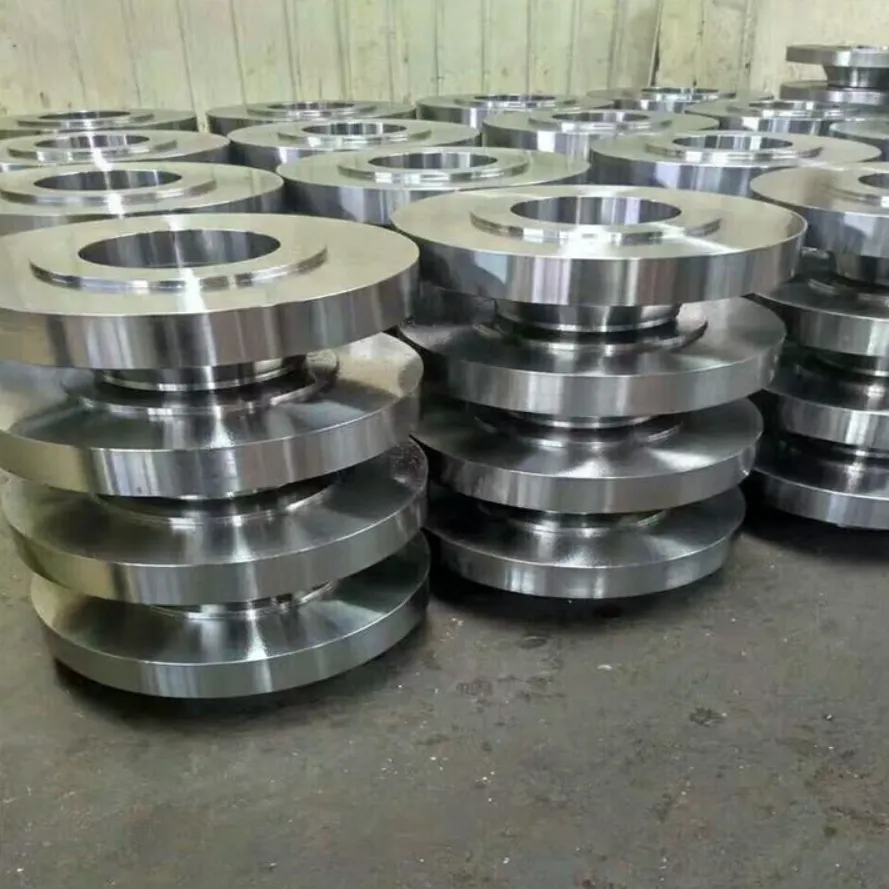
Precision narrow strip goes further than standard slitting in every measurable parameter: tighter width tolerance, controlled edge quality, verified flatness, measured cast and helix, and documented mechanical properties per coil rather than per heat lot. Custom precision slit coil extends this further still by incorporating customer-specific requirements for alloy condition, width, surface finish, coil geometry, and packaging that cannot be sourced from catalog stock.
Standard Slit Coil vs Precision Narrow Strip vs Custom Precision Coil
| Parameter | Standard Slit Coil | Precision Narrow Strip | Custom Precision Coil |
|---|---|---|---|
| Width tolerance | ±0.3 – 0.5mm | ±0.10 – 0.15mm | ±0.05mm or tighter |
| Thickness tolerance | ±5 – 8% of nominal | ±1 – 3% of nominal | ±0.003mm absolute |
| Edge burr height | < 0.08mm | < 0.03mm | < 0.015mm |
| Camber (lateral bow) | < 3mm/m | < 1mm/m | < 0.3mm/m |
| Flatness (I-units) | 15 – 30 | 5 – 10 | < 3 |
| Surface inspection | Sampling | 100% visual | 100% automated optical |
| Mechanical properties | Per heat | Per coil (samples) | Per coil (both ends) |
| Coil ID control | Nominal | ±5mm | ±2mm |
| Certification | EN 10204 Type 2.2 | EN 10204 Type 3.1 | EN 10204 Type 3.1 or 3.2 |
| Lead time | 2 – 4 weeks stock | 4 – 8 weeks | 8 – 16 weeks |
Why Width and Coil Geometry Matter More in Inconel 625 Than in Stainless Steel Strip
Inconel 625 work-hardens much more rapidly than austenitic stainless steel during slitting. This elevated work-hardening rate means that:
- Edge zones of slit 625 strip carry significantly higher residual stress than the strip center.
- Width variation within a slit coil reflects genuine composition-driven slitter blade interaction differences, not just mechanical setting variation.
- Camber in 625 slit coil develops more severely than in 316L strip of equivalent dimensions because the asymmetric residual stress from slitting is harder to tension-level out.
These characteristics explain why precision slitting of Inconel 625 requires blade clearances, speeds, and tension parameters specifically optimized for the alloy rather than standard settings carried over from stainless steel slitting practice.
At MWalloys, we maintain separate slitting line setup records for each Inconel alloy family because the blade wear rate, clearance requirements, and tension parameters differ enough between 625, C276, and Monel 400 to produce unacceptable edge quality if settings are transferred between alloys without adjustment.
What Chemical Composition and Metallurgical Properties Define ASTM B443 Inconel 625 Strip?
Inconel 625 is a registered trademark of Special Metals Corporation, designating UNS N06625, a nickel-chromium-molybdenum-niobium alloy developed originally for high-temperature structural applications but subsequently found to deliver exceptional corrosion resistance across a wider range of environments than initially anticipated.
ASTM B443 Chemical Composition Requirements
| Element | UNS N06625 Min (%) | UNS N06625 Max (%) | Functional Role |
|---|---|---|---|
| Nickel (Ni) | 58.0 min | Balance (~62%) | Base matrix; corrosion resistance; SCC immunity |
| Chromium (Cr) | 20.0 | 23.0 | Passive film formation; oxidizing acid resistance |
| Molybdenum (Mo) | 8.0 | 10.0 | Pitting and crevice resistance; reducing acid resistance |
| Niobium + Tantalum (Nb + Ta) | 3.15 | 4.15 | Solid solution strengthening; weld sensitization prevention |
| Iron (Fe) | – | 5.0 | Controlled residual |
| Cobalt (Co) | – | 1.0 | Controlled residual |
| Carbon (C) | – | 0.10 | Controlled to limit carbide formation |
| Silicon (Si) | – | 0.50 | Deoxidation |
| Manganese (Mn) | – | 0.50 | Deoxidation |
| Aluminum (Al) | – | 0.40 | Minor deoxidizer |
| Titanium (Ti) | – | 0.40 | Grain boundary stabilizer |
| Phosphorus (P) | – | 0.015 | Impurity control |
| Sulfur (S) | – | 0.015 | Impurity control; hot ductility |
The Niobium Content: What Makes 625 Structurally Different from Hastelloy Alloys
The 3.15 – 4.15% niobium (plus tantalum) content is the single most distinctive compositional feature of Inconel 625 relative to other nickel-chromium-molybdenum alloys. Niobium serves multiple functions:
Solid solution strengthening: Niobium atoms in solid solution produce significant lattice distortion that obstructs dislocation motion, raising both yield and tensile strength compared to a hypothetical Ni-Cr-Mo alloy without niobium.
Precipitation strengthening potential: At elevated temperatures (650 – 900°C), niobium enables precipitation of delta phase (Ni₃Nb) and gamma-double-prime (γ''), which further strengthens the alloy. This is why Inconel 718 (which also uses Nb as a primary strengthener) achieves even higher strengths through controlled aging.
Weld stabilization: Niobium preferentially combines with carbon to form niobium carbides (NbC), which are thermodynamically more stable than chromium carbides at grain boundaries. This prevents the chromium depletion adjacent to grain boundaries (sensitization) that causes intergranular corrosion in welds of standard Ni-Cr alloys. This property makes 625 weld wire (ERNiCrMo-3) one of the most corrosion-resistant commercially available welding filler metals.
Two Grade Classifications Under ASTM B443
ASTM B443 defines two grades of Inconel 625 flat product, distinguished by intended service temperature:
| Grade | Designation | Carbon Max (%) | Primary Application | Key Restriction |
|---|---|---|---|---|
| Grade 1 | Standard (annealed) | 0.10% | Corrosion service below 600°C | Standard for most chemical and marine use |
| Grade 2 | Annealed (lower temp limit) | 0.10% | High-temperature service, welded structures | Specific grain size requirements |
For precision slit coil applications in corrosion service, Grade 1 is the standard. Grade 2 is specified for applications involving elevated temperature service where grain size uniformity through the strip cross-section affects high-temperature mechanical performance.
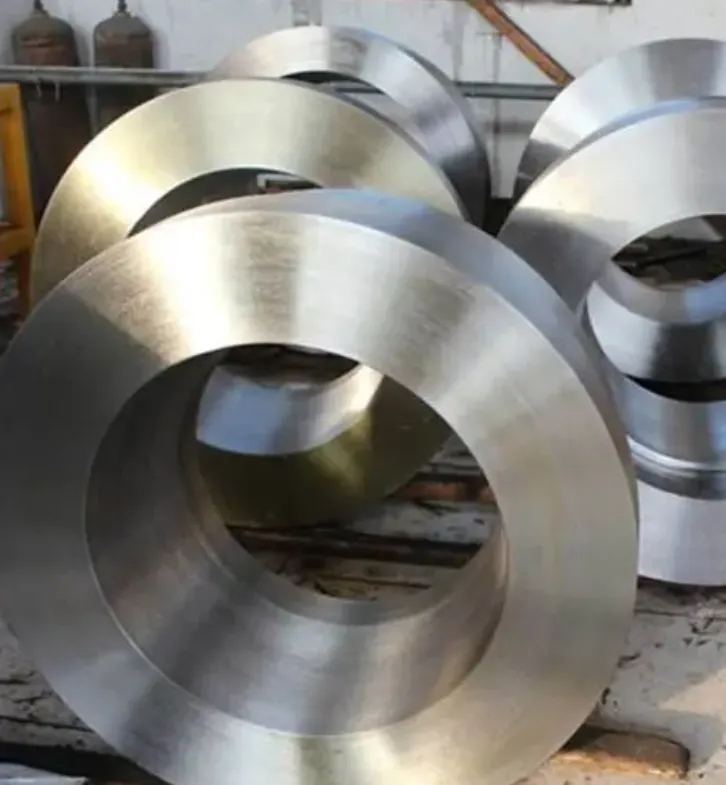
What Dimensional Tolerances and Width Ranges Are Achievable in Precision Inconel 625 Slit Coil?
Dimensional capability is the defining characteristic of precision slit coil supply. The following tables reflect documented production capabilities from MWalloys' precision slitting operation, not theoretical limits.
Width Tolerance Capability by Strip Width
| Strip Width Range | Standard Slit Tolerance | Precision Slit Tolerance | Ultra-Precision Tolerance |
|---|---|---|---|
| 3 – 10mm | ±0.20mm | ±0.08mm | ±0.05mm |
| 10 – 25mm | ±0.25mm | ±0.10mm | ±0.06mm |
| 25 – 50mm | ±0.30mm | ±0.12mm | ±0.08mm |
| 50 – 100mm | ±0.40mm | ±0.15mm | ±0.10mm |
| 100 – 200mm | ±0.50mm | ±0.20mm | ±0.12mm |
| 200 – 400mm | ±0.60mm | ±0.25mm | ±0.15mm |
| 400 – 600mm | ±0.80mm | ±0.30mm | ±0.20mm |
Thickness Tolerance Capability by Gauge
| Nominal Thickness | Standard Mill Slit Tolerance | Precision Tolerance | Ultra-Precision Tolerance |
|---|---|---|---|
| 0.05 – 0.15mm | ±0.008mm | ±0.005mm | ±0.003mm |
| 0.15 – 0.30mm | ±0.012mm | ±0.008mm | ±0.005mm |
| 0.30 – 0.60mm | ±0.018mm | ±0.010mm | ±0.007mm |
| 0.60 – 1.00mm | ±0.025mm | ±0.015mm | ±0.010mm |
| 1.00 – 2.00mm | ±0.035mm | ±0.020mm | ±0.013mm |
| 2.00 – 4.00mm | ±0.050mm | ±0.030mm | ±0.018mm |
| 4.00 – 6.35mm | ±0.080mm | ±0.050mm | ±0.030mm |
Camber, Flatness, and Coil Geometry Specifications
| Parameter | Standard | Precision | Ultra-Precision | Measurement Method |
|---|---|---|---|---|
| Camber (lateral bow) | < 3.0mm/m | < 1.0mm/m | < 0.3mm/m | Laid flat, measured over 1m length |
| Flatness (I-units) | 15 – 30 | 5 – 10 | < 3 | Shapemeter roll measurement |
| Cast (min coil diameter) | 60 × wire/strip width | 80 × width | 100 × width | Coil laid on flat surface |
| Helix deviation | < 50mm/cast circle | < 25mm | < 10mm | Per cast circle measurement |
| Coil ID | ±10mm | ±5mm | ±2mm | Caliper measurement |
| Coil OD | As produced | ±15mm | ±8mm | Caliper measurement |
| Net coil weight | ±10% | ±5% | ±3% | Weighed and documented |
Camber is particularly critical for Inconel 625 narrow strip used in progressive die stamping, roll forming, and automated assembly feeding systems. At MWalloys, camber is measured on every slit coil before acceptance using a precision straightedge and gap gauge system, with any coil exceeding the specified limit subjected to tension leveling before shipment.
How Is Precision Inconel 625 Narrow Strip Manufactured to These Exacting Standards?
Understanding the manufacturing process clarifies why precision Inconel 625 slit coil costs more than commodity slit strip and why the investment consistently pays back through reduced production scrap, fewer tool changes, and better end-product performance.
Raw Material Selection and Incoming Verification
Precision slit coil production begins with master coil selection. Not all ASTM B443 Inconel 625 sheet is equally suited for precision slitting. The criteria for master coil selection include:
| Selection Criterion | Requirement | Why It Matters |
|---|---|---|
| Thickness uniformity (cross-width) | < 0.5% variation across full width | Width-to-width property consistency after slitting |
| Surface condition | Free of pit marks, roll marks, scale pits | Defects propagate to all slit widths from affected zone |
| Grain size uniformity | ASTM 4 – 7, consistent through coil | Property consistency along strip length |
| Flatness before slitting | < 5 I-units | Residual flatness defects after slitting are amplified |
| Edge condition | No edge cracks or laminations | Edge defects propagate across full width during slitting |
| Chemistry verification | PMI on each master coil | Confirms UNS N06625 before processing begins |
Precision Slitting Process Control
The slitting operation for Inconel 625 requires significantly tighter process control than for carbon steel or even austenitic stainless steel:
Blade Material and Geometry:
Precision slitting of Inconel 625 uses carbide or high-speed steel circular blades with specifically controlled geometry. Blade sharpness is critical: a worn blade produces a ragged edge with excessive burr and work-hardening that creates a stress concentration zone in fatigue-loaded strip applications. At MWalloys, blade condition is monitored by measuring burr height on test cuts, and blades are replaced before burr height exceeds 50% of the maximum allowable for the specified edge quality class.
| Slitting Parameter | Standard Alloy Setting | Inconel 625 Optimized Setting | Effect on Strip Quality |
|---|---|---|---|
| Blade clearance (% of thickness) | 8 – 12% | 5 – 8% | Tighter clearance reduces burr, improves edge |
| Side relief angle | 1 – 2° | 1.5 – 2.5° | Reduces blade drag and work hardening |
| Strip tension (% of yield) | 20 – 30% | 25 – 35% | Higher tension improves edge quality |
| Slitting speed | 50 – 200 m/min | 20 – 80 m/min | Slower speed reduces heat and edge distortion |
| Blade material | HSS standard | Carbide preferred | Longer blade life, consistent edge quality |
| Lubrication | Standard mineral oil | Sulfur-free synthetic | Prevents surface contamination |
In-Line Measurement During Slitting:
Precision slitting lines incorporate in-line laser width measurement systems that monitor each slit width continuously and trigger process adjustment or automatic rejection if width exceeds tolerance. This closed-loop monitoring eliminates the traditional approach of sampling slit width at coil start and end, which misses mid-coil variation caused by blade wear or tension fluctuation.
Tension Leveling After Slitting
Tension leveling is performed after slitting on all precision grade orders. The process pulls the strip through a series of small-diameter rolls under controlled tension, producing a controlled amount of plastic elongation (typically 0.5 – 2.0% extension) that equalizes the length differential between the strip edges and center, eliminating camber and edge wave.
For Inconel 625 strip, tension leveling parameters must be carefully controlled because the alloy's high work-hardening rate means that excessive leveling force produces measurable changes in the strip's yield strength. MWalloys monitors post-leveling hardness on precision orders to verify that the leveling process has not shifted the mechanical properties outside the specified range.
Final Inspection and Coil Preparation
Every precision coil from MWalloys undergoes the following final inspection sequence before release:
| Inspection Step | Method | Frequency | Documentation |
|---|---|---|---|
| Width measurement | Laser micrometer, 5 points along coil length | 100% | Recorded on inspection report |
| Thickness measurement | Contact gauge or ultrasonic | 5 points per coil | Recorded on inspection report |
| Camber measurement | Precision straightedge + feeler gauge | 100% (every coil) | Pass/fail recorded |
| Surface inspection | Automated optical + visual confirmation | 100% | Defect map if required |
| Burr height measurement | Optical comparator | Per production lot | Recorded vs specification |
| Hardness verification | Portable Rockwell tester | Per coil (both ends) | Recorded on certificate |
| PMI confirmation | XRF on coil OD surface | 100% | Results on certificate |
| Weight verification | Calibrated weigh scale | 100% | Net weight on certificate |
What Mechanical and Physical Properties Does Inconel 625 Strip Deliver in Each Condition?
The mechanical properties of Inconel 625 narrow strip vary significantly with the temper condition, and specifying the wrong condition produces strip that is either too hard to form or too soft to function in the application.
Mechanical Properties by Condition
| Property | Annealed | 1/4 Hard (20% CR) | 1/2 Hard (37% CR) | 3/4 Hard (50% CR) | Full Hard (65%+ CR) |
|---|---|---|---|---|---|
| Tensile Strength (MPa) | 830 – 1000 | 1050 – 1200 | 1200 – 1380 | 1380 – 1550 | 1500 – 1700 |
| Yield Strength (MPa, 0.2%) | 415 – 620 | 750 – 900 | 950 – 1100 | 1150 – 1300 | 1300 – 1480 |
| Elongation (%) | 30 – 40 | 18 – 25 | 10 – 18 | 5 – 12 | 2 – 6 |
| Hardness (HRB / HRC) | 85 – 95 HRB | 25 – 30 HRC | 32 – 37 HRC | 38 – 42 HRC | 42 – 46 HRC |
| Reduction of Area (%) | 50 – 65 | 35 – 45 | 22 – 32 | 12 – 20 | 5 – 12 |
Properties for 1.0 – 2.0mm thickness strip; values vary with exact thickness, drawing history, and intermediate anneal schedule.
Elevated Temperature Properties
Inconel 625 strip maintains substantial strength at elevated temperatures, which is why it is specified for applications involving thermal cycling or sustained elevated temperature exposure:
| Temperature (°C) | Tensile Strength (MPa, annealed) | Yield Strength (MPa, annealed) | Elongation (%) |
|---|---|---|---|
| 20 | 830 – 1000 | 415 – 620 | 30 – 40 |
| 200 | 770 – 930 | 350 – 550 | 32 – 42 |
| 400 | 730 – 890 | 300 – 500 | 34 – 44 |
| 600 | 690 – 850 | 280 – 470 | 36 – 46 |
| 700 | 650 – 800 | 270 – 450 | 38 – 48 |
| 800 | 580 – 720 | 260 – 430 | 40 – 50 |
| 900 | 460 – 600 | 230 – 380 | 42 – 55 |
Physical Properties Critical to Slit Coil Applications
| Physical Property | Value | Relevance to Strip Applications |
|---|---|---|
| Density | 8.44 g/cm³ | Coil weight calculations per meter of strip |
| Modulus of elasticity (20°C) | 208 GPa | Spring rate design; forming springback calculation |
| Modulus of rigidity | 79 GPa | Torsional spring design |
| Coefficient of thermal expansion (20 – 100°C) | 12.8 µm/m·°C | Thermal cycling clearance calculations |
| Thermal conductivity (20°C) | 9.8 W/m·K | Low conductivity; heat buildup in high-speed forming |
| Electrical resistivity | 1.29 µΩ·m | Resistance welding parameter planning |
| Magnetic permeability | < 1.002 | Non-magnetic; MRI, navigation, downhole compatible |
| Melting range | 1290 – 1350°C | Welding heat input reference |
| Specific heat | 410 J/kg·K | Thermal analysis in annealing and forming |
The modulus of elasticity (208 GPa) combined with the wide range of achievable yield strengths (415 MPa annealed to 1480 MPa full hard) makes Inconel 625 strip exceptionally versatile for spring applications across a broad spring rate range. Unlike carbon steel springs that corrode in aggressive environments, 625 springs maintain consistent spring rate throughout their service life without the load relaxation caused by corrosion-induced cross-section reduction.
What Surface Finish and Edge Condition Options Are Available for Precision Inconel 625 Slit Coil?
Surface finish and edge condition directly affect the performance of Inconel 625 strip in its end application. These parameters must be specified explicitly rather than assumed from catalog descriptions.
Surface Finish Options
| Finish Designation | Ra (µm) | Production Method | Primary Application |
|---|---|---|---|
| Hot rolled, annealed, pickled (No.1) | 3 – 8 | HR + anneal + acid pickle | Heavy plate, structural blanks |
| 2D (cold rolled, annealed, pickled) | 0.5 – 1.5 | CR + anneal + pickle | General fabrication, welding |
| 2B (cold rolled, bright annealed) | 0.1 – 0.5 | CR + BA atmosphere anneal | Precision forming, pharmaceutical |
| BA mirror | < 0.1 | CR + controlled H₂ atmosphere | Optical, semiconductor, fine instruments |
| Electropolished | < 0.1 | Electrochemical removal | Medical, bioprocessing, semiconductor |
| Mechanically polished (No. 4) | 0.4 – 0.8 | Abrasive belt + final burnish | Visible surfaces, architectural |
| As-rolled (hard temper) | 0.15 – 0.4 | No post-roll treatment | Springs, contacts, structural strips |
Edge Condition Options and Their Applications
| Edge Type | Description | Burr Specification | Best Application |
|---|---|---|---|
| Slit edge (standard) | Circular blade cut, burr present | < 0.08mm | General fabrication, welding prep |
| Deburred slit edge | Slit + mechanical deburring | < 0.02mm | Stamping, automated feeding |
| Round edge (rolled) | Edges rolled to radius | Ra equivalent to strip surface | Seals, gaskets, human contact |
| Milled edge | Edge machined to precise geometry | Sharp corners, ±0.01mm | Precision fit components |
| Lasercut edge | Laser trimmed after slitting | Very fine, heat tint present | Complex profiles |
| Ground edge | Abrasive ground to width | ±0.02mm, smooth | Ultra-precision dimensional work |
For bellows fabrication, the most critical edge requirement is freedom from micro-cracks or laps at the slit edge, because these surface discontinuities act as fatigue initiation sites in the cyclic loading environment of a bellows. Our standard precision slit coil specification for bellows applications includes 100% edge inspection using a 10× optical system with specific rejection criteria for any edge irregularity deeper than 0.01mm.
Effect of Surface Finish on Corrosion Performance
The surface finish of Inconel 625 strip significantly influences corrosion performance in aggressive environments:
| Surface Finish | Passive Film Quality | Corrosion Rate in FeCl₃ (ASTM G48) | Recommended for Critical Corrosion Service? |
|---|---|---|---|
| As-rolled (hot rolled) | Poor (scale, oxide) | Elevated | No; requires pickling |
| Pickled (2D) | Good | Baseline | Yes |
| Bright annealed (2B) | Very Good | 10 – 20% lower than 2D | Yes, preferred |
| Electropolished | Excellent | 30 – 50% lower than 2D | Yes, for most demanding service |
Electropolishing removes microscopic surface irregularities and preferentially enriches the passive film with chromium oxide, producing a surface that both starts corrosion later and progresses more slowly than mechanically prepared surfaces. For Inconel 625 strip in seawater service, subsea applications, or pharmaceutical environments, electropolished surface finish is increasingly specified as standard.
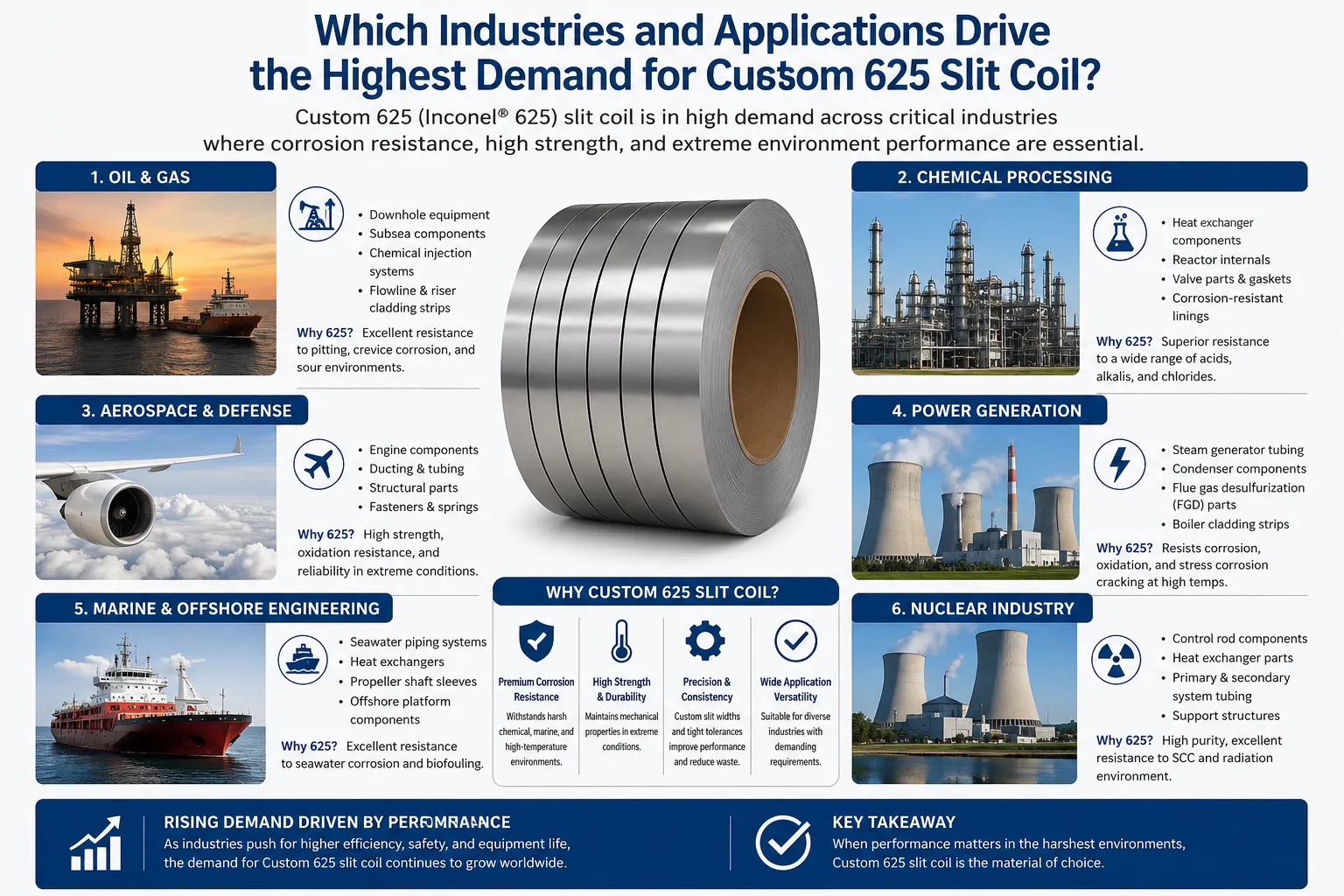
Which Industries and Applications Drive the Highest Demand for Custom 625 Slit Coil?
Aerospace and Defense Applications
Aerospace represents the most technically demanding and highest-volume market for precision Inconel 625 narrow strip. The combination of fatigue resistance, corrosion resistance, and high-temperature capability makes 625 strip essentially irreplaceable in several aircraft and engine component categories:
| Aerospace Application | Strip Thickness Range | Width Range | Condition | Key Specification |
|---|---|---|---|---|
| Exhaust bellows | 0.25 – 0.76mm | 10 – 150mm | Annealed | AMS 5596, fatigue life |
| Combustion liner strips | 0.5 – 1.5mm | 20 – 200mm | Annealed | AMS 5596, oxidation resistance |
| Thrust reverser seals | 0.3 – 1.0mm | 10 – 100mm | 1/4 hard | Spring force + high-temp |
| Fuel system bellows | 0.15 – 0.50mm | 8 – 80mm | Annealed | Fatigue + fuel compatibility |
| Turbine blade retention | 0.5 – 2.0mm | 15 – 100mm | 1/2 hard | Strength at temperature |
| ECS duct seals | 0.25 – 0.75mm | 12 – 75mm | Annealed | Pressure sealing + vibration |
| Expansion joints | 0.3 – 1.0mm | 20 – 120mm | Annealed | Cycle life + corrosion |
AMS 5596 (SAE Aerospace Material Specification for Inconel 625 sheet, strip, and plate) is the primary governing document for aerospace-grade strip, imposing tighter quality controls, grain size requirements, and documentation standards beyond ASTM B443. All aerospace strip from MWalloys is produced and certified to AMS 5596 on request.
Subsea and Offshore Oil and Gas Applications
The offshore oil and gas industry uses Inconel 625 slit coil in applications where the combination of seawater corrosion resistance, high cycle fatigue performance, and mechanical strength exceeds what any stainless steel alternative can reliably provide:
| Subsea Application | Strip Specification | Performance Requirement | Why 625 vs Alternative |
|---|---|---|---|
| Flexible riser armor wire | 0.5 – 3.0mm thick strip | Fatigue in seawater, high tensile load | Fatigue life 5× better than duplex |
| Flexible pipe inner carcass | 1.0 – 4.0mm thick strip | Collapse resistance + sour service | NACE MR0175 + seawater immunity |
| Umbilical armor layers | 0.3 – 1.5mm strip | Bend fatigue + corrosion | Superior fatigue in seawater |
| Subsea valve spring strip | 0.5 – 2.0mm strip | H₂S + seawater + spring function | Single alloy solution |
| Subsea connector seal strip | 0.1 – 0.5mm strip | Pressure sealing + corrosion | Deformation + corrosion combined |
| Expansion bellows | 0.3 – 1.0mm strip | Cyclic pressure fatigue + seawater | Best fatigue + corrosion combination |
The flexible riser application deserves specific attention because it consumes substantial tonnages of 625 slit coil globally. Flexible risers connect floating production platforms to subsea infrastructure and must accommodate continuous platform motion while containing high-pressure production fluids. The armor wire layers that provide tensile strength and collapse resistance experience millions of bending cycles over the riser design life (typically 20 – 25 years), making fatigue performance in seawater the primary selection criterion. Inconel 625 strip consistently outperforms all duplex and super duplex stainless steel alternatives in full-scale riser fatigue testing.
Chemical Processing and Pharmaceutical Manufacturing
| Chemical Process Application | Strip Specification | Why Precision Strip Required |
|---|---|---|
| Heat exchanger fin strip | 0.1 – 0.5mm, close width tolerance | Consistent fin pitch in forming tool |
| Expansion bellows (reactor) | 0.3 – 1.0mm, annealed | Cycle life in corrosive media |
| Pharmaceutical container sealing | 0.05 – 0.2mm, electropolished | Biocompatibility + dimensional accuracy |
| Catalytic reactor support mesh | 0.05 – 0.3mm, annealed | Weavability + chemical resistance |
| Chemical injection nozzle strips | 0.5 – 2.0mm | Dimensional tolerance for nozzle fit |
| Pump diaphragm strip | 0.1 – 0.5mm, fatigue grade | Cycle life in aggressive media |
Medical Device and Nuclear Applications
| Application | Strip Thickness | Critical Property | Specification |
|---|---|---|---|
| Surgical instrument springs | 0.1 – 0.5mm | Sterilization compatibility + spring rate | ISO 13485, biocompatibility |
| Guidewire reinforcement | 0.05 – 0.2mm | Flexibility + fatigue | ISO 10993 |
| Dental instrument components | 0.1 – 0.3mm | Corrosion in sterilization agents | Medical device regulations |
| Nuclear waste container seals | 0.3 – 1.5mm | Radiation stability + long-term seal | Nuclear QA documentation |
| Reactor fuel assembly spacers | 0.5 – 2.0mm | Dimensional stability + radiation | ASME Section III |
| Cladding weld overlay strip | 1.0 – 4.0mm | Weld quality + corrosion | AWS D1.6, nuclear grade |
How Does ASTM B443 Govern Inconel 625 Flat Product Specification and What Does Factory Certification Mean?
ASTM B443 is the primary commercial specification for Inconel 625 sheet, strip, and plate. Understanding what this standard actually requires, and what it does not require, is essential for writing purchase specifications that result in material fit for purpose.
ASTM B443 Test and Certification Requirements
| Requirement | Test Standard | Frequency | Accept Criteria |
|---|---|---|---|
| Chemical analysis | ASTM E1473 / E2594 | Per heat | UNS N06625 composition limits |
| Tensile test | ASTM E8 | Per lot | Grade 1: UTS ≥ 830 MPa; YS ≥ 415 MPa; El ≥ 30% |
| Hardness | ASTM E18 or E92 | Per lot (if specified) | Per purchaser requirement |
| Grain size | ASTM E112 | Per lot (Grade 2 required) | ASTM 4 – 7 (Grade 2 specific) |
| Intergranular corrosion | ASTM B443 Practice C (ASTM G28 Method B) | Per lot if specified | No significant attack |
| Dimensional verification | B443 Section 7 | Per piece | Per tolerance tables in standard |
| Surface condition | Visual per B443 | Per piece | Free from injurious defects |
| Flatness | B443 Table | Per piece | Per tolerance tables |
What ASTM B443 Does NOT Specify (Requiring Supplemental Requirements)
Engineers frequently assume that ordering to ASTM B443 automatically covers all quality parameters. Several critical parameters require supplemental specification:
| Parameter | ASTM B443 Status | Required Supplemental Specification |
|---|---|---|
| Slit width tolerance | Not specified | Purchaser must state tolerance class |
| Edge condition and burr height | Not specified | Purchaser must specify edge type and max burr |
| Camber and flatness | General flatness per section | Purchaser should specify I-unit or mm/m limit |
| Surface finish Ra value | Not specified | Purchaser must specify Ra or finish designation |
| Coil ID, OD, weight | Not specified | Purchaser must specify coil geometry |
| Cast and helix | Not specified | Purchaser must specify for automated feeding applications |
| Temper (cold work level) | Only annealed defined | Purchaser must specify % CR or tensile range for tempered strip |
| PMI per coil | Not required | Purchaser should specify for critical applications |
This list explains why experienced procurement professionals write specifications that include ASTM B443 as the baseline plus a detailed supplemental requirements section. At MWalloys, we provide a standard supplemental specification template for 625 slit coil that covers all of these parameters and can be adapted to specific application requirements.
Factory Certification: What MWalloys Provides as Standard
| Document | Content | Standard vs Premium |
|---|---|---|
| EN 10204 Type 3.1 certificate | Chemistry, mechanical properties, heat number | Standard on all orders |
| Dimensional inspection report | Width, thickness, camber measurements per coil | Standard on precision orders |
| Slitting process records | Blade settings, tension parameters, speed | Available on request |
| Furnace records (if annealed at MWalloys) | Temperature, time, atmosphere, quench | Available on request |
| PMI results | XRF spectrum and element quantification | Standard on all orders |
| Surface inspection report | Defect summary, pass/fail criteria | On precision orders |
| AMS 5596 compliance statement | Confirms compliance with aerospace spec | On request with AMS orders |
| NACE MR0175 compliance | Confirms hardness within NACE limits | On request for oil/gas orders |
How Does Inconel 625 Narrow Strip Compare to Alternative Alloy Strip Products in Key Application Scenarios?
Comprehensive Strip Alloy Comparison Table
| Property | Inconel 625 (N06625) | Hastelloy C276 (N10276) | Hastelloy C22 (N06022) | 316L SS (S31603) | Titanium Gr.2 |
|---|---|---|---|---|---|
| Chromium (%) | 22 | 15.5 | 21 | 17 | 0 |
| Molybdenum (%) | 9 | 16 | 13.5 | 2.2 | 0 |
| Niobium (%) | 3.65 | 0 | 0 | 0 | 0 |
| PREN | ~52 | ~72 | ~70 | ~24 | N/A |
| Seawater pitting | Excellent | Excellent | Excellent | Poor | Outstanding |
| Oxidizing acid resistance | Good | Moderate | Excellent | Limited | Good |
| Reducing acid resistance | Moderate | Excellent | Good | Limited | Limited |
| Fatigue strength (MPa, 10⁷ cycles) | ~550 (annealed) | ~450 | ~430 | ~200 | ~300 |
| Tensile strength (annealed, MPa) | 830 – 1000 | 690 – 790 | 690 – 760 | 485 | 345 |
| Max service temp (°C, strength) | 815 | 650 | 650 | 870 | 300 |
| Weldability as strip | Excellent | Excellent | Excellent | Very Good | Difficult |
| Precision strip availability | Good | Good | Good | Excellent | Limited |
| Relative cost (strip) | High (base) | Similar | Similar | Much lower | Higher |
When Inconel 625 Strip Wins Against Each Alternative
625 vs 316L stainless:
625 wins definitively in: seawater service (pitting immunity vs 316L's pitting susceptibility), high cycle fatigue applications (more than twice the fatigue strength), elevated temperature service above 500°C, and any application where chloride SCC resistance is required. 316L wins on cost (approximately 85% lower) and machinability.
625 vs Hastelloy C276 or C22 strip:
625 wins on fatigue performance (approximately 20 – 25% higher fatigue strength), weldability (niobium prevents sensitization), and availability in a broader range of precision strip dimensions. C276 or C22 wins in pure acid corrosion resistance for reducing or oxidizing acid environments respectively.
625 vs titanium Grade 2:
625 wins on tensile strength (2.4× higher), fatigue strength (nearly twice), weldability without full inert atmosphere requirements, and significantly broader corrosion resistance in non-HF acid environments. Titanium wins in weight-critical applications (47% lower density), seawater at elevated temperatures, and absolute immunity to pitting.
625 vs Inconel 718:
625 wins on weldability (625 is the standard weld overlay material partly because it doesn't require post-weld heat treatment), corrosion resistance, and availability in annealed strip condition. 718 wins on maximum strength after aging (nearly twice the yield strength of annealed 625) for applications where the age hardening treatment can be performed after fabrication.
How Do You Correctly Specify and Order Custom Inconel 625 Precision Slit Coil?
Complete Specification Checklist
1. Alloy Identification
- Alloy: Inconel 625 (UNS N06625)
- Applicable standard: ASTM B443, Grade 1 or Grade 2
- Aerospace: AMS 5596 (additional requirements apply)
- Nuclear: Confirm applicable nuclear quality standard
2. Dimensional Requirements
- Thickness: nominal + tolerance (e.g., 0.500mm ±0.008mm)
- Width: nominal + tolerance (e.g., 25.00mm ±0.08mm)
- Coil format: specify ID (e.g., 300mm ±5mm), max OD, net weight per coil
- Edge type: slit deburred, round edge, milled edge (specify)
3. Metallurgical Condition
- Annealed (solution annealed per ASTM B443)
- Cold-worked temper: specify % reduction or tensile strength range
- Specify: "No straightening after final anneal" if virgin annealed condition required
4. Mechanical Properties Required
- State ranges, not just minimums (e.g., "Tensile strength 830 – 1050 MPa")
- Minimum elongation
- Hardness range if critical
5. Surface Finish
- Specify Ra value (e.g., Ra ≤ 0.4 µm)
- Or specify standard designation (2B, BA, electropolished)
- State: "Free from roll marks, pits, laps, seams" for critical applications
6. Flatness and Geometry
- Camber: specify maximum mm/m (e.g., "< 0.5mm/m")
- Flatness: specify I-unit maximum if known
- Cast: specify minimum for automated feeding applications
7. Certification Requirements
- EN 10204 certificate type (3.1 standard; 3.2 for critical applications)
- PMI on each coil (XRF results on certificate)
- AMS 5596 compliance statement if aerospace
- NACE MR0175 hardness confirmation if oil/gas
8. Packaging
- Interleave paper between layers if required
- Moisture barrier packaging for long transit or storage
- Maximum coil weight for handling equipment limits
- Labeling requirements (part number, heat number, coil number)
Most Frequently Made Specification Errors
| Error | Consequence | Prevention |
|---|---|---|
| Specifying only ASTM B443 with no supplemental requirements | Receiving strip with commercial tolerances unsuitable for precision application | Always add supplemental dimensional specification |
| Not specifying temper condition | Receiving annealed strip when half-hard needed for spring application | State condition explicitly with target tensile range |
| Omitting camber specification | Coil unwinds with lateral wander in feeding system | Specify max camber in mm/m for all automated feeding applications |
| Not specifying edge condition | Receiving slit-edge strip with 0.08mm burr that damages forming tooling | Specify deburred edge and maximum burr height |
| Requesting AMS 5596 after order placed | Inability to retroactively certify non-AMS stock | Specify AMS 5596 at time of inquiry, not after receipt |
| Not specifying coil ID | Receiving coils incompatible with unwinding mandrel | Always specify coil ID with ±tolerance |
FAQs: Custom Inconel 625 Slit Coil and Precision Narrow Strip
1: What is the minimum width available for Inconel 625 precision slit coil?
The minimum commercially practical width for precision Inconel 625 slit coil is approximately 3mm, with ultra-narrow strip below 3mm typically classified as wire and produced by wire drawing rather than slitting. At widths below approximately 5mm, the ratio of edge-affected zone to total strip width becomes large enough that edge residual stress from slitting dominates the strip's mechanical behavior, making consistent springback and forming behavior increasingly difficult to achieve. MWalloys produces precision slit coil from 3mm width upward, with widths from 3 to 10mm requiring dedicated narrow-width slitting tooling and process parameters distinct from wider strip. For applications requiring Inconel 625 in flat-section form below 3mm width, cold-rolled and flattened wire (also called flat wire or profile wire) is the practical supply form. Lead times for very narrow precision strip (3 to 10mm) are typically longer than for standard widths (25 to 150mm) due to the specialized tooling setup required, and minimum order quantities apply to narrow widths to justify the setup cost. Contact MWalloys with your specific width and length requirements for a capability confirmation and quotation before writing a specification.
2: What ASTM standard covers Inconel 625 slit coil and narrow strip?
Inconel 625 slit coil and narrow strip are primarily governed by ASTM B443, which covers sheet, strip, and plate of UNS N06625 in the annealed condition, with ASTM B670 covering Inconel 718 and related precipitation-hardenable alloys, and AMS 5596 providing the aerospace-grade equivalent with additional quality requirements. ASTM B443 specifies the chemical composition limits for UNS N06625, minimum mechanical properties in the solution-annealed condition (Grade 1: tensile ≥ 830 MPa, yield ≥ 415 MPa, elongation ≥ 30%), heat treatment requirements, and dimensional tolerances for the standard product form. However, ASTM B443 does not specify slit width tolerances, edge condition, camber limits, surface roughness, or coil geometry: these must be defined in supplemental purchaser specifications. For ASME pressure vessel applications, ASME SB443 is the applicable Code designation, which adopts B443 requirements under ASME approval. For aerospace applications, AMS 5596 imposes additional grain size requirements, tighter surface quality criteria, and more comprehensive testing documentation than ASTM B443 alone.
3: How does Inconel 625 strip perform in seawater compared to 316L stainless steel strip?
Inconel 625 strip is essentially immune to seawater pitting, crevice corrosion, and chloride stress corrosion cracking under all practical marine conditions, while 316L stainless steel strip is susceptible to pitting above ambient temperature and to chloride SCC above approximately 60°C, making 625 the correct choice for any seawater-immersed strip application where 316L requires cathodic protection or is limited by temperature. The PREN value of Inconel 625 (approximately 52) far exceeds 316L (approximately 24), but the PREN comparison understates the performance difference because 625's nickel-rich matrix provides corrosion protection through a fundamentally different and more stable mechanism than the chromium passive film of stainless steel. In ASTM G48 ferric chloride testing, 625 strip passes at temperatures exceeding 85°C while 316L fails below 15°C. In long-term seawater immersion at operating temperatures up to 90°C (typical for heat exchanger service), 625 shows essentially no measurable pitting while 316L develops through-pits within months. For offshore flexible riser armor strips, subsea connector sealing elements, and marine heat exchanger fins, the corrosion performance difference between 625 and 316L directly translates to the difference between 20+ year service life and 2 to 5 year service life.
4: What is the difference between annealed and half-hard Inconel 625 strip, and which should I specify?
Annealed Inconel 625 strip (minimum yield strength 415 MPa) is specified when the strip must be formed, bent, or welded after receipt, while half-hard strip (approximately 37% cold reduction, yield strength 950 – 1100 MPa) is specified when the strip is used in a near-net-shape application requiring higher spring load or structural stiffness without post-receipt forming. The choice between temper conditions is driven by two competing requirements: forming operations require ductility (favoring annealed condition), while functional performance in service often requires higher strength (favoring cold-worked conditions). For bellows fabrication, annealed strip is universally specified because the hydroforming or roll-forming process that creates the bellows convolutions requires substantial plastic deformation. For seal strips used in gasketed joints where the strip must maintain a sealing force throughout its service life, half-hard or three-quarter-hard strip provides both the initial sealing load and reduced tendency toward stress relaxation compared to annealed strip. For spring applications in corrosive environments, full-hard strip (65%+ cold reduction, yield strength 1300 – 1480 MPa) is used when the corrosion resistance requirement makes Inconel 625 the only viable material and maximum spring load in minimum space is required.
5: Can Inconel 625 slit coil be welded, and what filler metal is recommended?
Yes, Inconel 625 strip is one of the most weldable nickel alloys commercially available, using ERNiCrMo-3 filler metal (matching 625 composition) for GTAW, GMAW, and PAW processes, with no post-weld heat treatment required for most applications because the niobium content prevents sensitization. The ERNiCrMo-3 filler (AWS A5.14) is actually one of the most widely used nickel alloy welding consumables globally, used not only to join 625 base metal to itself but also to join 625 to stainless steels, carbon steels, and other nickel alloys in dissimilar metal joints. The weld joint does not require post-weld heat treatment for corrosion resistance because the niobium in 625 preferentially forms NbC rather than allowing chromium depletion at grain boundaries, maintaining the alloy's corrosion resistance through the weld thermal cycle. For thin strip welding (below 0.5mm), laser welding is preferred over GTAW because the lower heat input prevents distortion and produces a narrower HAZ. Resistance spot welding is practical for strip gauges above 0.1mm where the contact geometry allows adequate current density. All tooling, fixtures, and consumables used in 625 strip welding must be free of iron contamination and sulfur-containing materials.
6: What is the fatigue performance of Inconel 625 strip compared to other alloys?
Inconel 625 strip in the annealed condition exhibits a fatigue endurance limit of approximately 500 – 550 MPa (R = -1, 10⁷ cycles) for smooth specimens, which is approximately 2.5 times higher than 316L stainless steel and approximately 20% higher than Hastelloy C276, making it the superior choice for cyclic-loading applications in corrosive environments. The high fatigue strength of 625 strip stems from its solid solution strengthening by niobium, molybdenum, and chromium, which raises both the static yield strength and the cyclic fatigue threshold. In seawater environments, the fatigue strength reduction factor for 625 is approximately 0.85 (seawater fatigue limit approximately 85% of air fatigue limit), compared to 0.60 to 0.70 for austenitic stainless steels in seawater. This means that 625 strip not only starts with a higher fatigue limit but retains a larger fraction of that limit in corrosive service. Surface condition significantly affects fatigue performance: electropolished 625 strip demonstrates 15 to 25% higher fatigue life than pickled surface strip of equivalent dimensions, because the smoother surface has fewer stress concentration sites for fatigue crack initiation. For applications where fatigue life is a primary design criterion (bellows, flexible risers, cyclic seals), surface finish specification should be treated as a mechanical performance parameter, not just an appearance requirement.
7: How should Inconel 625 slit coil be stored to maintain surface quality?
Inconel 625 slit coil should be stored in a temperature-controlled (15 – 25°C), low-humidity environment on dedicated non-ferrous racks, sealed in moisture barrier packaging with desiccant until required for production, with any cut coil ends immediately re-sealed after partial use to prevent moisture ingress and contamination. The primary surface quality risks during storage are iron contamination from carbon steel storage equipment and chloride contamination from marine atmospheric environments. Iron particles that contact and embed in 625 strip surfaces cause localized galvanic corrosion pitting that appears similar to defects in the alloy itself and can cause rejection of otherwise acceptable product or premature failure in service. MWalloys stores all Inconel 625 coils on rubber-coated or plastic-coated racks, separated from any ferrous materials, and packages coils in sealed polyethylene bags with desiccant sachets. For electropolished strip destined for pharmaceutical or semiconductor applications, storage and handling in controlled cleanroom conditions with anti-static packaging is required to maintain the surface cleanliness achieved during processing. All coils should be handled with clean nitrile or polymer gloves, and any equipment that contacts the strip surface should be verified free of iron contamination before use.
8: What is the lead time for custom precision Inconel 625 slit coil from MWalloys?
Custom precision Inconel 625 slit coil lead times range from 2 to 4 weeks for standard dimensions available from MWalloys stock master coil inventory, to 10 to 16 weeks for non-standard thicknesses requiring mill production followed by precision slitting and finishing operations. The lead time breakdown for a standard custom order from stock master coil involves: coil selection and incoming inspection (2 – 3 days), precision slitting setup and production (1 – 3 days depending on width complexity), tension leveling and surface inspection (1 day), final dimensional verification and certification preparation (1 – 2 days), and packaging and logistics (1 – 2 days). For orders requiring annealing at MWalloys after slitting (to achieve specific grain size or mechanical properties), additional time of 3 to 5 days must be included. For AMS 5596 aerospace orders requiring witness inspection by the customer's authorized representative, scheduling this inspection adds variable time depending on the representative's availability. We strongly recommend engaging MWalloys during the design phase of any project requiring precision 625 slit coil to establish realistic delivery schedules and avoid the specification-to-delivery compression that forces quality compromises.
9: Is Inconel 625 strip NACE MR0175 compliant for sour oil and gas service?
Yes, Inconel 625 (UNS N06625) in the solution-annealed condition is listed in NACE MR0175 / ISO 15156-3 as acceptable for sour service applications, with no hardness restriction beyond the general NACE limit of 40 HRC, because annealed 625 typically achieves only 85 – 95 HRB (approximately 15 – 20 HRC) well within the allowable range. NACE MR0175 / ISO 15156-3 Table B.2 covers nickel-chromium-molybdenum alloys, and N06625 is qualified without the restrictive hardness limits that apply to higher-strength alloys like Monel K500 or precipitation-hardened grades. The solution-annealed condition is the required metallurgical state for NACE compliance; cold-worked temper conditions (quarter-hard, half-hard) may exceed the allowable hardness limit and require verification against NACE specifications before use in sour service. For subsea flexible riser applications where 625 strip is used in highly cold-worked armor configurations, specific qualification testing per NACE TM0177 may be required if the cold work level raises hardness significantly above the annealed baseline. When purchasing 625 strip for sour service, explicitly request NACE MR0175 compliance confirmation on the material test certificate, including hardness test results, to maintain a complete compliance documentation trail for regulatory audits.
10: What packaging options are available for precision Inconel 625 slit coil to prevent damage in transit?
Precision Inconel 625 slit coil is available with multiple packaging configurations including interleave paper between strip layers, moisture barrier polyethylene wrapping with desiccant, foam edge protectors, custom coil cradles, and wooden crate packing, with the optimal packaging selection depending on the strip surface finish, transit duration, destination climate, and end-use cleanliness requirements. For standard industrial applications, the baseline packaging consists of coil wrapped with stretch film, placed on a wooden pallet, and secured with steel or polymer banding. For electropolished or bright-annealed strip destined for pharmaceutical or semiconductor applications, individual coil bags of clean polyethylene with sealed desiccant sachets, enclosed in anti-static outer bags, on padded cradles prevent surface contact damage and contamination. For ocean freight or extended storage applications, additional moisture barrier wrapping with silica gel desiccant inside a sealed outer container is specified to prevent humidity-related surface oxidation during transit through tropical or high-humidity zones. Interleave paper between strip layers prevents surface-to-surface contact marking in narrow coils where layer-to-layer contact occurs during winding. MWalloys can produce application-specific packaging specifications and coordinate with freight forwarders to ensure that custom packaging survives the specific transit route to your facility.
Conclusion: Precision Matters in Every Meter of Inconel 625 Slit Coil
Custom Inconel 625 slit coil and precision narrow strip represent one of the most technically demanding product categories in the specialty metals supply chain. The alloy's exceptional fatigue performance, corrosion resistance, and temperature capability create significant value in its target applications, but only when the dimensional precision and metallurgical consistency of the slit coil product are adequate for the forming, welding, or assembly operations that convert raw strip into finished components.
The investment in precision slit coil versus commodity strip pays back through:
- Reduced forming tool wear (consistent burr height and edge geometry)
- Lower scrap rates in automated stamping (consistent width and camber)
- Better fatigue life in finished components (consistent surface finish and residual stress)
- Faster welding setup (consistent width simplifies joint fit-up)
- Reduced inspection burden (pre-certified dimensional data reduces incoming inspection)
The specification must be complete from the first inquiry. Alloy grade, temper condition, all dimensional tolerances, surface finish, edge condition, coil geometry, and certification requirements must all be defined in writing before production begins.
Order Custom Inconel 625 Slit Coil from MWalloys
MWalloys produces and supplies custom Inconel 625 slit coil and precision narrow strip from our ASTM B443 certified facility, covering widths from 3mm to 600mm, thicknesses from 0.05mm to 6.35mm, in annealed through full-hard conditions, with electropolished and bright-annealed surface options.
Our Inconel 625 slit coil capabilities include:
- Precision slitting to ±0.05mm width tolerance on dedicated precision slitting lines.
- Tension leveling to camber < 0.3mm/m for automated feeding applications.
- In-line laser width measurement with 100% dimensional verification.
- AMS 5596 aerospace certification with full traceability documentation.
- NACE MR0175 compliance confirmation for oil and gas applications.
- Electropolished surface for pharmaceutical, medical, and semiconductor applications.
- Same-day quotations for standard stock dimensions.
- EN 10204 Type 3.1 standard; Type 3.2 with third-party witness available.
Contact MWalloys today to submit your Inconel 625 slit coil specification. Send your cutting list with thickness, width, temper, surface finish, and certification requirements for a same-day technical review and quotation from our specialty strip engineering team.
Verified and Authoritative Sources
- Special Metals Corporation – Inconel Alloy 625 Technical Bulletin (SMC-063).
- ASTM International – ASTM B443: Standard Specification for Nickel-Chromium-Molybdenum-Columbium Alloy (UNS N06625) and Nickel-Chromium-Molybdenum-Silicon Alloy Plate, Sheet, and Strip.
- SAE International – AMS 5596: Nickel Alloy, Corrosion and Heat Resistant, Sheet, Strip, and Plate, 62Ni-22Cr-9Mo-3.5Cb (Inconel 625). SAE International, Warrendale, PA.
- ASME Boiler and Pressure Vessel Code, Section II, Part B – Nonferrous Material Specifications (SB-443). American Society of Mechanical Engineers.
- AWS A5.14 / ASME SFA-5.14 – Specification for Nickel and Nickel-Alloy Bare Welding Electrodes and Rods (ERNiCrMo-3). American Welding Society.
- ASTM International – ASTM G48: Standard Test Methods for Pitting and Crevice Corrosion Resistance of Stainless Steels and Related Alloys by Use of Ferric Chloride Solution.
- NACE International (AMPP) – NACE MR0175 / ISO 15156: Petroleum and Natural Gas Industries – Materials for Use in H₂S-Containing Environments. Parts 1, 2, and 3.
- ASM International – ASM Handbook, Volume 2: Properties and Selection: Nonferrous Alloys and Special-Purpose Materials. ASM International. ISBN 978-0-87170-378-1.
- Donachie, M.J., Donachie, S.J. – Superalloys: A Technical Guide, 2nd Edition. ASM International. ISBN 978-0-87170-749-9.
- Roberts, W.L. – Cold Rolling of Steel. Manufacturing Engineering and Materials Processing Series. CRC Press. ISBN 978-0-8247-6780-0.
- EN 10204:2004 – Metallic Products: Types of Inspection Documents. European Committee for Standardization, Brussels.
- ASTM International – ASTM E112: Standard Test Methods for Determining Average Grain Size.
- ASM International – ASM Handbook, Volume 13B: Corrosion: Materials. ASM International. ISBN 978-0-87170-707-9.
- API Technical Report 17TR2 – The Influence of Corrosion on the Fatigue of Flexible Pipe. American Petroleum Institute.
- ASME BPE – Bioprocessing Equipment Standard. American Society of Mechanical Engineers.