

X12M (Cyrillic Х12М) is a high-carbon, high-chromium cold-work tool steel engineered for heavy wear resistance, good dimensional stability after heat treatment, and excellent performance in punching, blanking, cutting, and forming dies; MWAlloys offers factory-priced X12M with full certification, tailored heat treatment, and technical support for die makers and tool shops.
1. What X12M is and where it fits in industry practice
X12M belongs to the cold-work tool steels family. Engineers choose it when wear resistance under high compressive loads and good dimensional stability matter most. Tool shops use X12M for dies that cut, shear, punch, or form sheet and strip materials where tool life must be maximised and shape retention is critical. X12M commonly sits beside grades such as D3, 1.2601, and SKD11 in material libraries.

2. Chemical composition and metallurgy (technical table)
Key chemistry summary
The following table summarises typical composition ranges reported in multiple technical datasheets for X12M and close variants. Exact limits vary by producer standard. For procurement, always request a mill certificate.
| Element | Typical range (wt%) | Role in performance |
|---|---|---|
| Carbon (C) | 1.55 – 2.00 | Forms hard carbides, controls wear resistance and hardenability |
| Chromium (Cr) | 11.00 – 13.00 | Hardness, corrosion resistance, carbide formation |
| Silicon (Si) | 0.4 – 1.7 | Strength, deoxidation during steelmaking. |
| Manganese (Mn) | 0.15 – 0.45 | Strength, deoxidation control |
| Vanadium (V) | 0.10 – 0.50 | Fine carbide formation, improved toughness |
| Molybdenum (Mo) | 0.4 – 0.7 | Reduces segregation, improves hardenability |
| Sulfur (S) | ≤0.03 | Impurity, keep low for machinability control |
| Phosphorus (P) | ≤0.03 | Impurity, keep low for toughness |
Notes: suppliers may label narrow variants such as X12MF, Х12МФ, or KH12MF with small composition shifts for improved machinability or toughness. For the authoritative datasheet consult factory test records.
3. Mechanical properties and microstructure
Typical mechanical characteristics (post heat treatment values)
| Property | Typical value or range |
|---|---|
| Density | ≈ 7.7 g/cm³ |
| Hardness after quench + temper | 55 – 63 HRC depending on tempering schedule |
| Tensile strength | Dependent on heat treatment; high hardness grades may exceed 2000 MPa ultimate strength in microregions |
| Toughness | Moderate; trade-off exists between toughness and wear resistance |
| Wear resistance | High due to dense carbide network from high C and Cr |
Microstructure: martensitic matrix with abundant chromium-rich and vanadium-enriched carbides. Carbide distribution and size control determine the balance between wear resistance and toughness. Proper melting practice and secondary metallurgy reduce carbide segregation.
4. Standard equivalents and cross-reference (quick table)
| Common name | Typical equivalents | Remarks |
|---|---|---|
| X12M / Х12М | DIN 1.2601, X165CrMoV12, often compared with AISI D3 | Equivalency depends on small alloy differences; validate with material certificate. |
| X12MF (variant) | Similar to X12M with microalloy tweaks | Often supplied for easier machining |
| D3 (AISI) | Close in carbon and chromium content | Substitution possible when microstructure requirements align |
Important procurement note: cross-reference tables offer guidance, not perfect interchange. Where critical tolerances exist, run a sample trial.
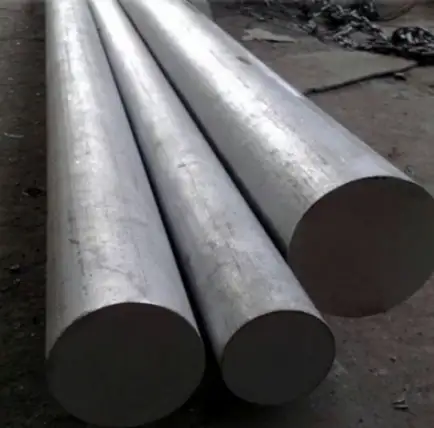
5. Primary applications and examples
Typical use cases
-
Punching and blanking dies for sheet metal production
-
Cold forging dies for complex shapes where edge retention matters
-
Blanking knives and shear tools in high-volume stamping lines
-
Rolling dies and wear plates where abrasive contact occurs
-
Slitter knives for non-ferrous metal processing when high wear resistance required
Case example: a medium-sized stamping plant replaced a previous grade with X12M for progressive dies. Tool life extended by 30 to 60 percent after a controlled quench and multi-step tempering schedule. Toolmakers reported fewer frequency replacements and improved dimensional consistency.
Application selection checklist:
-
High surface compressive load present
-
Need for low dimensional change during heat treat and service
-
Acceptable trade-off between toughness and extreme wear resistance
6. Heat treatment practicals (industrial-ready instructions)
Annealing (softening for machining)
-
Heat uniformly to 760–780°C
-
Hold time depends on cross-section; typical hold 2–6 hours for medium sections
-
Cool slowly in furnace to around 500°C then air cool to room temperature
-
Target hardness after anneal: typically 200 HB or lower to ease machining
Hardening (to reach working hardness)
-
Preheat in stages: 600–700°C then to 800–900°C depending on size
-
Austenitize temperature: generally 1000–1020°C; verify with supplier spec
-
Quench media: oil quench commonly used for good hardness without excessive cracking risk; inert gas or polymer quench can be used for complex shapes
-
Immediate tempering to reduce residual stresses
Tempering
-
Typical tempering window: 150–240°C for maximum hardness; 500–560°C for improved toughness with lower final hardness
-
Dual tempering recommended: temper twice with reheat to the same temperature to stabilise dimensions and hardness
Stress relief and final finishing
-
After rough machining and before final grinding, perform stress relief at 600–650°C for 1–2 hours then air cool
-
Final cryogenic treatment optional to reduce retained austenite and stabilise hardness
Caveat: procedure must be tuned to component cross-section and supplier microstructure. Engineering trials reduce the risk of distortion and cracking.
7. Machining, grinding, and welding notes
Machining
-
Annealed X12M machines with carbide tooling efficiently. Use low cutting speeds, high feed, and sufficient chip breakers.
-
Avoid heavy interrupted cuts in hardened condition. When finish machining on hardened steel, use CBN grinding or specialised inserts.
Grinding
-
Diamond or CBN wheels recommended for hardened X12M due to hard carbides.
-
Coolant flow must be steady to avoid thermal damage.
Welding
-
Welding hardened X12M is difficult. Recommended path: preheat to 250–350°C, use nickel-based filler materials for high-chromium steels, perform controlled post-weld heat treatment and tempering. For critical dies, prefer welding only on low-stress zones or use brazing/soldering alternatives.
Surface finishing
-
Final surface finish via precision grinding or EDM depending on geometry. EDM common for complex cavities then final polish.
8. Surface treatments and coatings to extend life
-
Nitrocarburising for improved surface hardness and wear resistance while retaining core toughness.
-
Physical vapour deposition hard coatings such as TiN, TiCN, or CrN on high-wear, non-impact tooling. Coating adhesion requires excellent pre-grit finish.
-
Chromium plating optional for corrosion and galling resistance where sliding contact occurs.
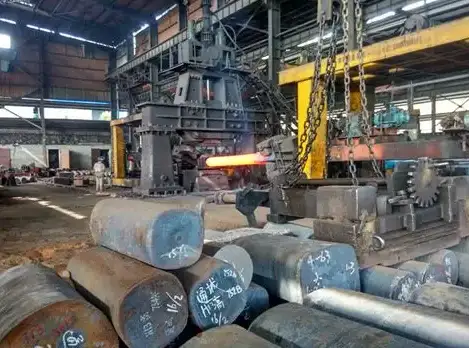
9. Quality control, certification, and MWAlloys factory practice
Mill certification and traceability
Purchase from a factory that supplies a full mill test certificate (MTC) showing chemical analysis, heat number, melting practice, and mechanical testing results. For high-stakes tooling, request ultrasound or magnetic particle testing for internal defects.
MWAlloys factory controls (what buyers receive)
-
Chemical certificate per heat with full element breakdown
-
Heat treatment chart and process record for hardened pieces
-
Hardness report and optional metallographic images on request
-
Ultrasonic testing on larger blocks to detect internal inclusions
These controls reduce the chance of premature failure and support warranty claims.
10. Price overview and factory vs distributor comparison
Price context note
Tool steel pricing varies by quantity, geometry, surface finish, heat treatment, global freight, tariffs, and metal market swings. The following table presents typical price bands found among large-volume Chinese factories, regional distributors, and small tool steel service centres. Use it for budgeting only. Always request a firm quotation from MWAlloys for factory-priced supply.
| Supplier type | Typical price band (USD per kg) | Typical MOQ | Comments |
|---|---|---|---|
| China factory direct (bulk, annealed bars/plates) | $1.30 – $2.50 per kg | 1 ton typical | Low unit price when buying direct from mill. Sourcing via Alibaba shows similar ranges for 1.2601/X165CrMoV12 types. |
| Regional distributor (Europe) | $3.50 – $7.50 per kg | No MOQ or small | Includes cutting, machining, and local stock costs |
| North America service centre | $4.00 – $9.00 per kg | Small orders possible | May include hardness stabilisation, cut-to-size services |
| Premium pre-hardened, finished dies | $8.00 – $20.00+ per kg | Small orders | Price reflects heat treat, grinding, coating, and engineering support |
Market prices for base steel fluctuate by commodity movements. Track rolling steel indices for macro guidance.
Example price comparison (manufacturing scenario)
| Product format | Factory price example | Distributor price example |
|---|---|---|
| 1000 kg hot-rolled annealed flat bars | $1,500 – $2,200 | $3,800 – $6,000 |
| Pre-hardened ground plate 300×300 mm | $12 – $18 per kg | $18 – $28 per kg |
Important procurement tip: factory pricing often requires higher minimums but delivers lower unit price plus direct MTC. MWAlloys offers small-lot programmes for tool shops needing sampled blocks while keeping near-factory pricing.
11. Procurement checklist and storage handling
Pre-purchase checklist
-
Obtain full mill test certificate per heat number
-
Confirm exact chemistry and allowable tolerances
-
Request hardness and microstructure photos after heat treat when ordered that way
-
Ask for NDT results for large billets
-
Confirm lead times, delivery incoterms, and freight cost
Storage and handling
-
Store in dry, temperature-stable area to limit corrosion risk
-
Keep pre-hardened pieces wrapped or oiled if they remain for long periods
-
Use protective end caps for precision-ground surfaces
12. Environmental, safety, and end-of-life recycling
Tool steel like X12M is fully recyclable. Factory practices should minimise slag and capture machining coolant for recycling. For heat treatment, ensure furnace emissions conform to local regulations and capture quench oil fumes. When tools reach end of life, return scrap to steel recyclers under documented chain of custody to recover value.
13. Common failure modes and mitigation
-
Cracking during quench: mitigate with controlled preheating, intermediate hold temperatures, and moderate quench severity; prefer oil or polymer quench over water.
-
Chipping or edge loss: address by refining carbide distribution through proper melting practice and tempering.
-
Abrasive wear: consider surface treatments or harder coatings.
-
Adhesive wear or galling: improve surface finish and consider PVD coating.
14. Quick supplier technical proposal template
When requesting a quote, provide:
-
Part drawing with material callout X12M or equivalent
-
Required final hardness and heat treatment documentation needs
-
Expected annual tonnage and first order quantity
-
Any surface finish or coating requirements
-
Delivery place, incoterm requested, and required test certificates
15. Price negotiation levers and logistics tips
-
Volume discounts apply strongly for tool steels; combine orders across plants to reach lower brackets
-
Agree to factory lead-time windows; smaller emergency orders drive premium pricing
-
Take advantage of pre-cut or annealed bar stock for reduced machining time and lower total cost
-
Consider bonded logistics or consolidated LCL shipments to reduce freight per kg
Reference market data: large steel service centre base prices and commodity charts help model negotiation targets.
16. FAQs
1. What is the closest Western equivalent of X12M?
Typical equivalents include DIN 1.2601 and alloys labelled X165CrMoV12. Equivalence requires review of chemistry and mechanical specs before substitution.
2. Can X12M be welded?
Welding is possible only with strong controls. Preheat, select appropriate filler metal, minimize restraint, and perform post-weld tempering. For critical dies prefer repair by brazing or metal deposition followed by tempering.
3. What hardness can MWAlloys deliver on X12M?
Factory processes can produce a hardness range from annealed (approx 200 HB) to 55–63 HRC after quench and temper. Specify target hardness when requesting a quote.
4. How long is lead time for factory supply?
Standard lead times vary by order size and current production schedule. Bulk factory orders often require 2–6 weeks while small-lot urgency orders may be fulfilled faster with premium freight.
5. Is X12M good for long run stamping dies?
Yes. High wear resistance and carbide structure make it suitable for high-volume stamping. Balance final temper temperature to optimise both hardness and toughness.
6. What finishing services does MWAlloys provide?
Offerings include precision grinding, pre-hardened plates, EDM machining, coating deposition, and full heat-treat records. Ask for custom bundles when you request a quote.
7. How should I store X12M bar stock?
Keep in dry, covered storage. For long-term storage lightly oil or wrap to prevent surface oxidation. Avoid environments with high humidity.
8. What testing is standard with an order?
Typical supply includes chemical analysis certificate, hardness test, and heat number traceability. Ultrasonic testing or metallography available upon request.
9. Is the factory price truly lower than distributors?
Factory unit price is usually lower at high quantities. Distributor pricing adds local inventory cost, service centre value, and smaller MOQ convenience. Real savings depend on freight and handling.
10. How to decide between X12M and D3 for my tooling?
Compare carbide type, machinability, and required toughness. Run a small test part with both materials if possible. MWAlloys can provide sample blocks for trial runs.
17. Final practical recommendations for procurement and design
-
Specify the grade, heat number requirement, and final hardness in the purchase order.
-
Where possible, request an MTC and microstructure images before full-run heat treatment.
-
Put a small tooling trial order in place before converting entire production to a new grade.
-
Consider coatings for high friction contacts to extend tool life.
-
For critical parts, buy pre-hardened and finish-ground plates to limit in-shop heat treatment variability.