

Malleability is a key property of metals, determining how easily a metal can be hammered, pressed, or rolled into thin sheets without breaking. The most malleable metal, based on scientific studies and real-world applications, is gold. Gold can be hammered into incredibly thin sheets, a feature that has made it valuable not only for jewelry but also for various industrial and scientific uses. It is widely regarded for its exceptional malleability, which allows it to be shaped into thin, delicate structures. However, while gold takes the top spot in malleability, other metals such as silver, copper, and aluminum also exhibit remarkable malleability characteristics.
1. Introduction to Malleability
Malleability is a physical property that describes a material’s ability to withstand deformation under compressive stress. This characteristic is vital in numerous industries, particularly in metalworking and manufacturing, where shaping and forming materials into precise components are crucial. Malleability can be measured by how much a metal can be stretched or compressed before it breaks.
Metals that are malleable can be shaped or molded into various forms without cracking or breaking, which is why they are so commonly used in applications that require shaping, such as the production of sheets, foils, and thin wire.
2. The Concept of Malleability
Malleability, in its simplest form, is the ability of a metal to be hammered or rolled into thin sheets without breaking. The property results from the ability of metal atoms to slide over one another without disrupting the entire structure. This ability is facilitated by the metallic bond in metals, which is non-directional, allowing atoms to move past one another when a force is applied.
3. Why Malleability is Important
Malleability is one of the key factors in the selection of materials for specific applications. It allows metals to be formed into intricate shapes or extremely thin sheets, which is essential in industries such as:
-
Electronics: For creating wires and thin film coatings
-
Aerospace: For shaping parts with minimal weight
-
Jewelry: Where thin layers of metal are needed for decoration
Additionally, malleability plays a crucial role in reducing waste material during the manufacturing process, as metals that can be easily shaped without cracking minimize the need for excess material.
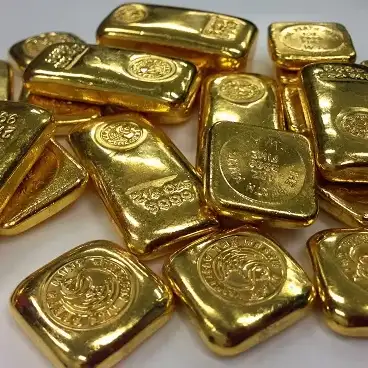
4. Gold: The Most Malleable Metal
Gold is the undisputed leader in terms of malleability. It is capable of being hammered into a sheet as thin as 0.0001 millimeters. This extraordinary malleability is due to its atomic structure, which allows its atoms to slide past each other with minimal resistance. Gold’s malleability is one of the reasons why it has been so useful throughout history, from coinage to electronics. In fact, a single ounce of gold can be stretched to create a sheet that covers an area of around 300 square feet.
Key Characteristics of Gold’s Malleability:
-
Can be hammered into sheets as thin as 0.0001mm
-
Excellent resistance to corrosion
-
Low reactivity, making it ideal for use in delicate applications
5. Comparison of Malleability Among Different Metals
While gold holds the record, several other metals are also highly malleable. Here's a comparison of some of the most malleable metals:
| Metal | Malleability (Relative Ranking) | Key Applications |
|---|---|---|
| Gold | 1st | Jewelry, Electronics, Decorative Arts |
| Silver | 2nd | Jewelry, Silverware, Electronics |
| Copper | 3rd | Electrical wiring, Plumbing, Coins |
| Aluminum | 4th | Foils, Aircraft, Packaging |
| Platinum | 5th | Jewelry, Catalysts, Electronics |
Gold is significantly more malleable than these metals, but silver and copper are also highly regarded for their ability to be formed into fine wires or thin sheets. Aluminum, while slightly less malleable than gold or silver, remains crucial in industries like aerospace due to its lightweight properties.
6. Malleability in Different Metal Alloys
In addition to pure metals, many alloys exhibit high malleability. Alloys are mixtures of two or more elements, typically with one of the components being a metal. These alloys often improve on the properties of pure metals, including malleability.
Examples of Malleable Alloys:
-
Bronze: Composed mainly of copper, it has excellent malleability and is used in sculptures and coins.
-
Brass: A copper-zinc alloy, known for its ability to be easily shaped, often used in musical instruments and hardware.
-
Aluminum Alloys: Aluminum alloys, such as 6061, offer malleability combined with lightweight properties, ideal for automotive and aerospace applications.
7. Applications of Malleable Metals
Malleable metals are integral in various industries. Here are some of the most common applications:
-
Manufacturing of Foils and Sheets: Gold, silver, and aluminum are frequently used to create thin sheets that serve as packaging materials, decorations, and conductive materials in electronics.
-
Electrical Wiring: Copper’s high malleability makes it perfect for wire production.
-
Jewelry Design: Both gold and silver, due to their malleability, are commonly used to create fine jewelry pieces.
-
Construction: Malleable metals like copper and aluminum are used in plumbing and wiring due to their ease of shaping and resistance to corrosion.
8. Factors Affecting Malleability
Several factors influence the malleability of metals:
-
Temperature: Metals become more malleable at higher temperatures. This is why hot rolling is often used in metalworking processes.
-
Purity: Pure metals, like gold, are generally more malleable than alloys, although some alloys are engineered to enhance malleability.
-
Crystal Structure: The atomic arrangement of a metal determines how easily its atoms can move past each other, influencing malleability.
9. Malleability in Ancient and Modern History
Historically, malleability has played a significant role in the development of human civilization. Gold was used extensively in ancient times for currency, jewelry, and religious artifacts due to its malleability and resistance to tarnishing. In modern times, the role of malleable metals has expanded to high-tech industries, from electronics to aerospace, where precision and strength are required.
10. Malleability vs. Ductility: Understanding the Difference
Malleability and ductility are often confused, but they refer to different properties. While both describe a material’s ability to deform under stress, malleability refers to a material’s ability to deform under compressive stress (like hammering), whereas ductility refers to deformation under tensile stress (like stretching). Metals like gold and copper are both malleable and ductile.
11. Environmental and Industrial Impact of Malleable Metals
The malleability of metals can have significant environmental and industrial implications. The ability to shape metals without creating waste allows for more efficient use of materials, which can reduce environmental impact. Furthermore, the recycling of metals like aluminum, copper, and gold takes advantage of their malleability to regenerate them into new forms without losing their structural integrity.
12. How Malleability Affects Metal Manufacturing
In manufacturing, malleability impacts how materials are processed. For instance, gold’s malleability allows it to be used in thin sheets for electronics without sacrificing strength, while copper’s malleability is ideal for the creation of wiring and cables.
13. FAQs about Malleability of Metals
-
What is the most malleable metal?
-
Gold is the most malleable metal, able to be hammered into extremely thin sheets.
-
-
Why is gold the most malleable?
-
Gold’s atomic structure allows its atoms to slide past each other easily, making it exceptionally malleable.
-
-
Which metal is more malleable than gold?
-
No metal is more malleable than gold, but silver and copper are also highly malleable.
-
-
Can all metals be shaped easily?
-
Not all metals are malleable. Metals like iron and steel are less malleable compared to gold and silver.
-
-
How does temperature affect the malleability of metals?
-
Metals generally become more malleable at higher temperatures, which is why heat is used in metalworking processes.
-
-
What is the difference between malleability and ductility?
-
Malleability refers to deformation under compressive stress, while ductility refers to deformation under tensile stress.
-
-
Can alloys be more malleable than pure metals?
-
Some alloys, like bronze and brass, are designed to be highly malleable, but in general, pure metals like gold and silver are more malleable.
-
-
What are some applications of malleable metals in everyday life?
-
Malleable metals are used in manufacturing coins, jewelry, electrical wires, and foils.
-
-
Is aluminum malleable?
-
Yes, aluminum is quite malleable, which is why it is used in applications ranging from packaging to aerospace.
-
-
How do manufacturers take advantage of metal malleability?
-
Manufacturers use malleable metals to create thin sheets, wires, and other precise components, often by processes like rolling and extrusion.