
O6 tool steel is an oil-hardening, graphitic cold-work alloy that combines high through-hardness potential with unusually good machinability and low distortion during heat treatment. With nominal carbon near 1.45 percent plus controlled silicon, manganese and small molybdenum, O6 can be hardened above Rockwell C 60 while retaining resistance to galling in sliding contacts thanks to its dispersed graphite. It is widely chosen for precision gauges, forming dies, bushings and any application demanding dimensional accuracy plus easier machining compared with fully non-graphitic tool steels.
What is O6 tool steel and where does it fit in tool steel families?
O6 belongs to the oil-hardening “O” series of cold-work tool steels. It is intended for situations where high hardness and wear resistance must be balanced with low distortion during heat treatment and improved machinability in the annealed condition. Unlike the non-graphitic, hardened tool steels that can seize in dry sliding, O6 intentionally contains dispersed free graphite which gives the material a mild self-lubricating behavior. That graphite also makes the grade significantly easier to machine when supplied in the annealed state, reducing tooling time for machining blanks and dies. O6 is standardized under UNS T31506 / AISI Type O6 and commonly referenced in ASTM A681 specifications for oil-hardening tool steels.
Download O6 Technical Data Sheet & Engineering Guide (PDF)
What is the chemical composition of O6?
Below is a practical composition table showing nominal ranges used by major producers. Individual mill certs should always be reviewed for purchase-specific numbers.
| Element | Typical range (wt%) | Role |
|---|---|---|
| Carbon (C) | 1.30 – 1.55 (commonly ~1.45) | Primary hardening element; a portion will exist as graphitic carbon in annealed condition. |
| Silicon (Si) | 0.6 – 1.25 | Deoxidizer; contributes to strength and hardness. |
| Manganese (Mn) | 0.30 – 1.10 | Improves hardenability and tensile strength. |
| Chromium (Cr) | ≤ 0.30 (trace) | Minor carbide former; some sources list trace Cr. |
| Molybdenum (Mo) | 0.20 – 0.30 | Improves hardenability and toughness. |
| Phosphorus (P) | ≤ 0.030 | Impurity limit |
| Sulfur (S) | ≤ 0.030 | Impurity limit; kept low for toughness. |
| Iron (Fe) | Balance | Matrix. |
Notes on the carbon budget: in annealed O6 roughly one-third of total carbon is present as free graphite particles; the remainder exists combined in carbides. That graphite fraction is deliberate and distinguishes O6 from fully combined-carbon oil-hardening steels.
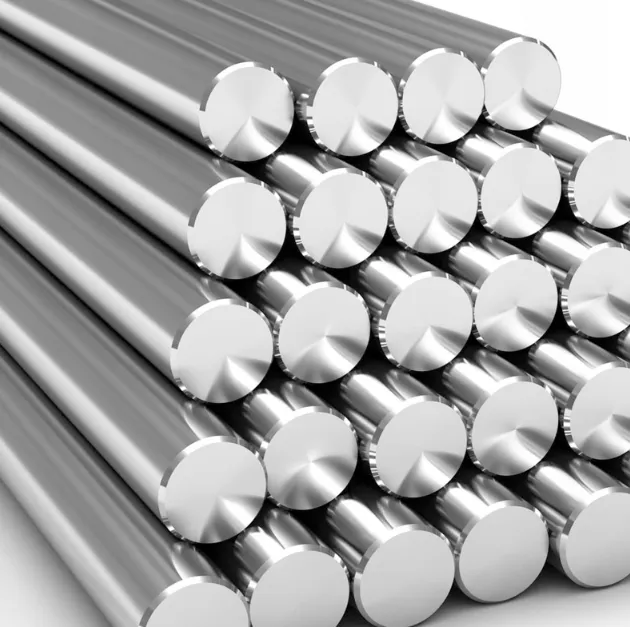
What mechanical properties should engineers expect from O6?
Mechanical responses vary with heat-treatment, but typical ranges are:
-
Annealed hardness: roughly Brinell 190–220 HBW (approx. HRC in low 20s after anneal).
-
Hardened (quenched and tempered) hardness: can exceed HRC 60 when properly quenched. Practical working hardness for many tooling parts is HRC 58–62.
-
Tensile strength and yield depend on tempering. Design engineers should use actual mill test data for precise calculations.
Table: representative mechanical property snapshot
| Condition | Hardness | Notes |
|---|---|---|
| Annealed (furnace cooled to 1000°F then air cool) | ~HB 200–220 | Best machinability condition. |
| Quenched from ~1450–1500°F to oil then tempered | HRC 58–62 | Typical working hardening cycle for wear resistance. |
| As-forged or normalized | depends on practice | Forging and normalizing details vary by mill. |
Because O6 contains graphite, Charpy impact values can remain reasonable for many cold-work uses, and the grade tends to be less prone to catastrophic cracking during quench than some high-alloy, high-hardness tool steels. Use application testing for safety-critical components.
How does O6 respond to heat treatment and what process parameters matter?
Heat treatment control is critical to achieve desired hardness, dimensional control and to preserve O6’s machinability characteristics where required.
Key process steps and recommended ranges (engineers should validate with supplier data for exact tooling):
-
Annealing (if delivered soft for machining)
-
Heat slowly to about 1425–1450°F (774–788°C), soak to equalize, then cool in furnace to ~1000°F (538°C), remove and air cool. Expect Brinell ~217 max in this condition. This produces the graphitic annealed structure and maximizes machinability.
-
-
Preheat for hardening / forging
-
Preheat to 1300°F (704°C) and soak, then raise for forging operations up to ~2000°F (1093°C) maximum. Do not forge below ~1700°F (927°C). Cooling from forging temperature should be slow; do not normalize O6 in the same way as some non-graphitic tool steels.
-
-
Austenitizing / hardening
-
Typical austenitizing range: 1450–1500°F (790–815°C). Oil quench to room temperature (or subdued oil) to minimize distortion. O6 hardens effectively at relatively low austenitizing temperatures which reduces size change compared with steels requiring higher austenitizing temperatures.
-
-
Tempering
-
Tempering schedule depends on desired final hardness. Many toolmakers temper at temperatures between 350–600°F (177–316°C) to balance toughness and hardness. Multiple tempering cycles are common to relieve retained austenite and stabilize dimension.
-
-
Potential post-heat operations
-
Stress relief and low temperature tempering after any in-service grinding. If induction or local heating is used, control interpass and pre/post heats carefully to avoid graphitic segregation problems.
-
Caution: because a portion of carbon exists as free graphite, microstructural response to thermal cycles differs from fully combined-carbon steels. Maintain supplier guidance and qualify quench/temper cycles for critical parts.
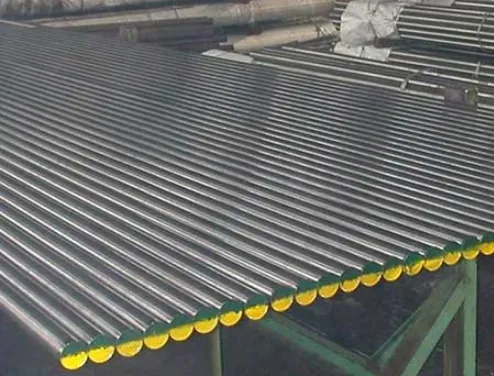
What microstructure features make O6 distinctive?
Two microstructural aspects define O6 performance:
-
Free graphite dispersion
-
During the annealed condition, roughly one third of the carbon precipitates as small graphite nodules or flakes distributed through the ferrite/pearlite matrix. These graphite particles reduce friction, reduce seizure in sliding contact, and greatly ease machining (tool life and cutting forces).
-
-
Carbide distribution in hardened condition
-
The remaining carbon forms carbides (cementite and alloy carbides) that provide wear resistance after quenching and tempering. Controlled small additions of molybdenum and silicon help stabilize carbides and hardenability.
-
Because of the mixed carbon state, O6 often behaves like a self-lubricating steel in dry sliding and galling environments, giving it advantages in specific tooling profiles such as perforating dies, forming shapes and guides.
Which applications favor O6 over other grades?
O6 is selected when a combination of these requirements exists:
-
Precision dimensional control after heat treatment — low distortion hardening.
-
High hardness for wear resistance coupled with galling resistance — good for sliding parts and dies.
-
Parts that require substantial machining before final hardening — the annealed graphitic matrix gives superior machinability ratings. Typical examples: ring and plug gauges, perforating dies, forming rolls, bushings, sleeves, arbors, shear blades, punches, guide rails and other cold-work tooling.
Designers should prefer O6 where lubricated or moderate dry sliding occurs and where final hardness around HRC 58–62 is acceptable. For extremely high edge retention or abrasive wear, other grades with higher alloy carbide content (for example D2) may outperform O6 in service life.
Why Is O6 Considered the Best Machining Tool Steel?
Machinability is usually an afterthought in tool steel; for O6, it is the headline feature. MWalloys technical assessments rank O6 roughly 25% to 30% easier to machine than O1 tool steel.
The Mechanism of Easier Cutting
When a cutting tool engages O6, the dispersed graphite particles act as microscopic voids. These voids break the continuity of the steel matrix. Instead of the chip adhering to the tool or forming long, continuous ribbons that clog machinery, the chips fracture into small, granular segments.
Benefits for the Machine Shop:
-
Extended Tool Life: Less abrasive wear on carbide or HSS inserts.
-
Lower Power Consumption: Less force is required to shear the metal.
-
Finer Finishes: The self-lubricating effect can result in smoother surface finishes during turning or milling, although grinding requires care.
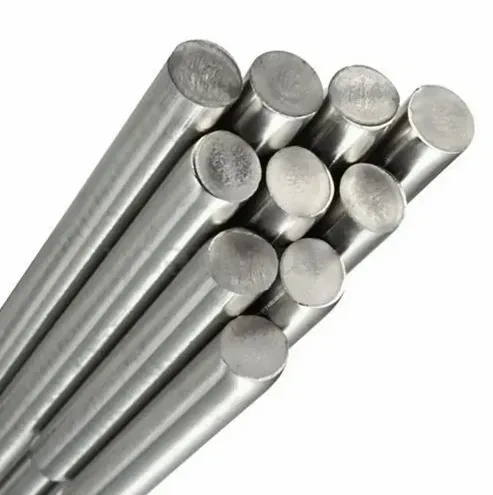
How does O6 compare with common alternatives such as O1, A2 and D2?
Short comparative summary
-
O6 vs O1: Both are oil-hardening, but O6 contains free graphite which improves machinability and galling resistance. Hardening potential is similar, but O1 is often preferred where a slightly cleaner microstructure without graphite is desired.
-
O6 vs A2: A2 offers higher dimensional stability and better toughness in some tempers due to higher alloy content, but A2 is not graphitic and is less machinable in the annealed state. Choose A2 for heavy shock loading and when graphite’s lubricity is not needed.
-
O6 vs D2: D2 is a high-carbon, high-chromium cold-work die steel with excellent wear resistance due to abundant carbides. D2 can outperform O6 for abrasive wear but will be harder to machine and more prone to cracking during quench because of higher alloy content. D2 is chosen for edging dies and severe abrasive tasks.
Table: quick functional comparison
| Property / Grade | O6 | O1 | A2 | D2 |
|---|---|---|---|---|
| Graphite present | Yes | No | No | No |
| Annealed machinability | High | Good | Moderate | Low |
| Max hardened HRC | ~60+ | ~60+ | ~60 | ~62+ |
| Galling resistance | Good | Moderate | Low | Low |
| Abrasive wear resistance | Moderate | Moderate | Good | Excellent |
| Distortion on hardening | Low | Low | Moderate | Higher |
| Typical use | Gauges, forming dies, guides | General tooling | Heavy dies, shear blades | High wear dies, cutters |
Analysis:
-
Choose O6 if the part involves sliding contact (bushings) or if heavy machining is required on complex shapes.
-
Choose A2 if dimensional stability during heat treat is the priority (air hardening).
-
Choose D2 if the tool cuts abrasive materials (paper, cardboard, gritty plastics).
-
Choose O1 for general purpose, simple tooling where budget is the tightest constraint.
What are best practices for machining, grinding, welding and finishing O6?
Machining
-
Machine in the annealed condition whenever possible. O6 has machinability ratings substantially higher than many non-graphitic tool steels because the graphite lowers cutting forces and improves chip control. Typical machinability indices from several mills show O6 at or above 110–125 relative to 1% carbon tool steel set at 100.
-
Use sharp tooling, moderate feeds, and rigid setups to avoid chatter. Chip breakers and coolant usage should follow standard practices for annealed tool steels.
Grinding and finishing
-
When finishing hardened O6, control grinding temperatures to avoid tempering or burning. Use smaller depth-of-cut passes and adequate coolant. Final grinding after tempering is common practice to achieve tight tolerances.
Welding
-
Welding of O6 is uncommon for final tooling; welding introduces heat-affected zones that disturb the graphite distribution and can create localized hardness zones. If necessary for repair, preheat and post-weld tempering regimes similar to other oil-hardening steels are advised and welding should be performed by experienced welders with suitable filler rod selection. Consider brazing or mechanical fastening for some repairs.
Corrosion protection and coating
-
O6 does not have significant alloy content for corrosion resistance; apply rust inhibitors, protective coatings, or keep parts oiled when not in service. Nickel or chrome plating may be used depending on application but evaluate adhesion and thermal cycles.
Where is O6 Most Effectively Deployed in Industry?
The unique properties of O6 dictate its specific applications. It is not a general-purpose blade steel; it is a sliding-wear specialist.
1. Gauges and Precision Instruments
Master gauges, ring gauges, and thread gauges benefit from the dimensional stability (when properly treated) and the smooth surface finish achievable with O6.
2. Bushings and Wear Plates
This is the "killer app" for O6. In machinery where a hardened steel part must slide against another metal surface, O6 acts as a bearing material. The graphite reduces friction, preventing the seizure that would occur with A2 or D2.
3. Forming Dies
For dies that bend or shape metal (rather than cut it), the resistance to galling prevents pickup on the die surface. This ensures the formed parts remain scratch-free.
4. Arbors and Spindles
Components requiring high strength but also needing to be machined with high precision often utilize O6.
5. Punches
specifically for thin or delicate materials where the punch might rub against the stripper plate.
What forms, tolerances and supply options are typical from mills and distributors?
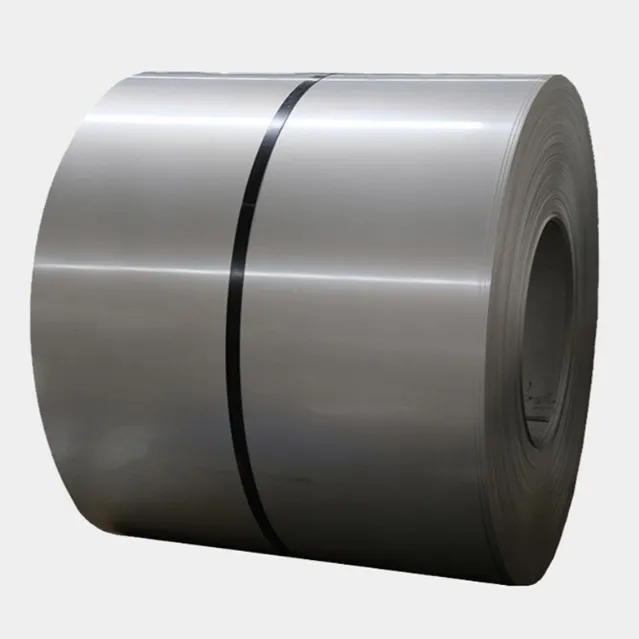
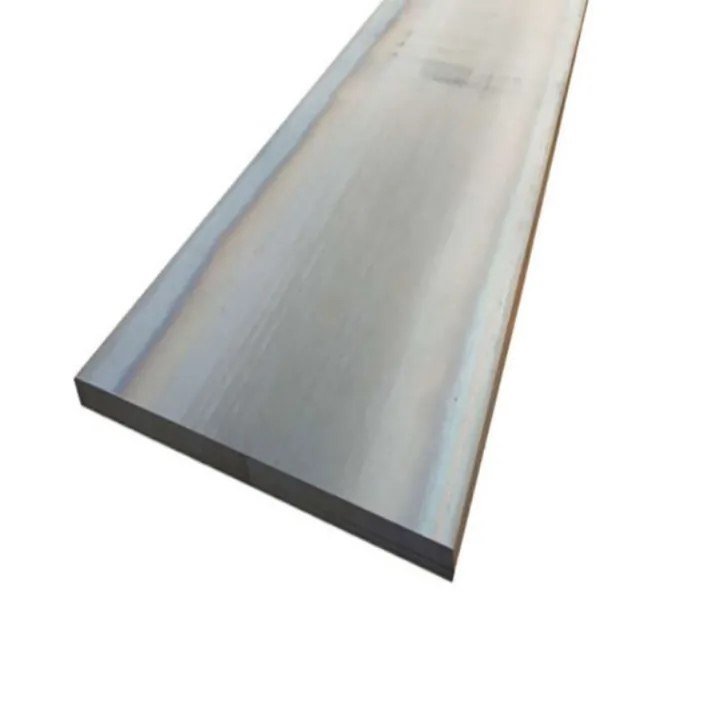
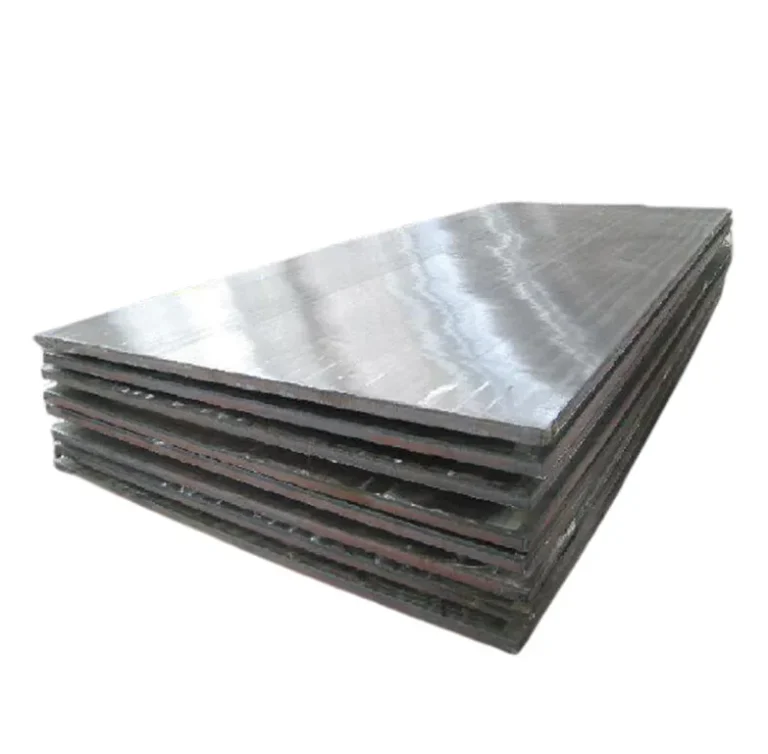
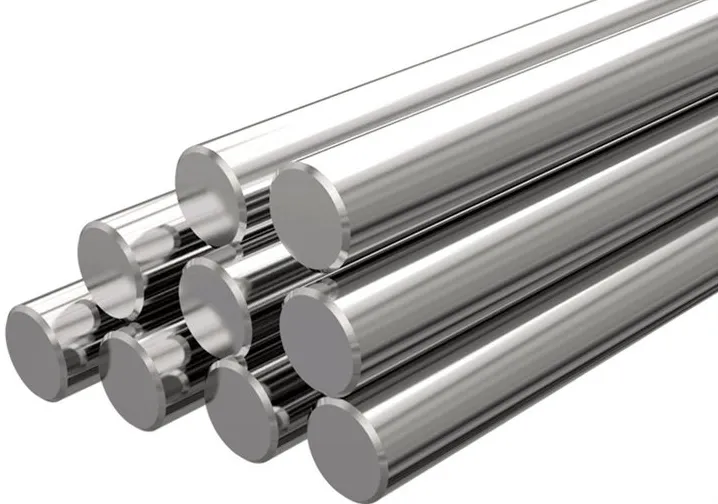
Suppliers commonly offer O6 as round bar, flat bar, plate, sheet, forgings and pre-machined blanks. Standard tolerance classes from large distributors align with ASTM and ISO dimension tables. Typical stock sizes include:
| Form | Typical stock sizes |
|---|---|
| Round bar | 6 mm up to 300 mm diameter and larger as special order |
| Flat bar / Plate | Thicknesses from 1.6 mm up to 200 mm and longer lengths |
| Forgings | Custom shapes and rings to order |
| Pre-hardened blanks | Some mills provide blanks through specific programs |
When ordering, state whether material should be delivered annealed or pre-hardened, the required hardness range, certificate (mill test report) level, and any geometry tolerances. Trusted distributors and mills with O6 datasheets include Carpenter (CarTech), Cincinnati Tool Steel, Hudson, and major regional suppliers. Always request and keep the mill cert with the batch.
How to specify O6 in procurement documents to avoid misunderstandings?
A robust purchase specification prevents costly rework. At minimum include:
-
Grade designation: UNS T31506 or AISI Type O6, reference ASTM A681 where applicable.
-
Condition on delivery: annealed to Brinell ≤ X, or quenched and tempered to HRC range Y–Z. State whether machining allowance is required.
-
Size/tolerance: dimensional tolerances and surface finish requirements.
-
Heat treatment record: require mill test report and heat treatment chart if supplier performs hardening.
-
Traceability: heat number, lot number, and certificate of analysis.
-
Special processing: forging, normalizing, shot peening, nitriding, or surface coatings.
-
Acceptance tests: hardness, microstructure confirmation, and any non-destructive testing.
Including these items in the PO and inspection plan avoids late surprises and supports first-article verification for critical tooling.
Technical tables (useful quick references)
Table 1. Typical chemical composition (representative mill values)
| Element | Typical (wt%) |
|---|---|
| C | 1.45 |
| Si | 0.6–1.0 |
| Mn | 0.30–1.10 |
| Mo | 0.20–0.30 |
| Cr | ≤ 0.30 |
| P | ≤ 0.030 |
| S | ≤ 0.030 |
| Fe | Balance |
Sources: Carpenter data sheet and other mill publications.
Table 2. Representative heat treatment schedule
| Step | Temp (°F / °C) | Cooling | Expected outcome |
|---|---|---|---|
| Anneal | 1425–1450°F (774–788°C) | Furnace cool to 1000°F, then air cool | Soft, machinable microstructure. |
| Austenitize | 1450–1500°F (790–815°C) | Oil quench | Forms martensite; hardness potential >HRC60. |
| Temper | 350–600°F (177–316°C) | Air cool | Adjust toughness/hardness tradeoff. |
Table 3. Typical applications and why O6 is chosen
| Application | Reason to choose O6 |
|---|---|
| Ring and plug gauges | Low distortion, hardness, dimensional accuracy. |
| Forming dies and perforating dies | Sliding wear resistance; graphite reduces galling. |
| Bushings, sleeves, arbors | Good wear resistance with easier machining. |
O6 Graphite Tool Steel Technical FAQ
1. What does O6 mean in tool steel nomenclature?
2. Can O6 steel be hardened to Rockwell C 60?
3. Why is graphite present in O6 and does it reduce toughness?
4. Is O6 a good choice for punch and die sets?
5. How should O6 be specified for delivery if I need to machine it?
6. Does O6 rust easily and what protection is needed?
7. Is welding recommended for O6 tool steel?
8. What machining performance can I expect compared with O1?
9. Which standards cover O6 steel?
10. Where should I get certified O6 material?
Closing recommendations for engineers and procurement specialists
When selecting O6 for a tooling program, follow these steps:
-
Request the manufacturer’s datasheet and the mill test report with the first delivery.
-
Specify delivered condition and inspection requirements in the purchase order.
-
For complex geometries, perform a small validation run including heat treatment to confirm dimensional change and final hardness.
-
If the application involves heavy abrasive wear, evaluate D2 or other high-carbide alloys; use O6 when machinability, galling resistance and low distortion are priorities.
MWalloys can provide specification-level writeups and first article test plans for customers who require procurement language adapted to supplier capabilities.