

For chloride-rich seawater, brackish or many acid-condensate environments where strong pitting resistance, practical immunity to chloride stress corrosion cracking, and good weldability are needed at a competitive price, AL-6XN (UNS N08367) is typically the better choice; however, when service involves the most aggressive mixed oxidizing and reducing acids, highly oxidizing halide chemistries, or severe “sour” process streams where maximum general corrosion resistance and resistance to a broader set of chemical attacks are non-negotiable, Hastelloy C-276 (and other Hastelloy grades) will outperform AL-6XN — at a significantly higher material cost.
What is AL-6XN and Hastelloy C-276 mean?
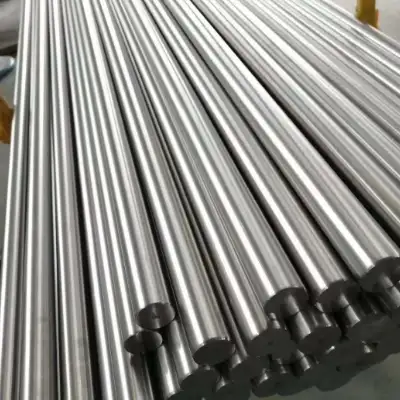
AL-6XN (UNS N08367) is a superaustenitic stainless steel developed to provide enhanced pitting and crevice corrosion resistance and strong resistance to chloride stress-corrosion cracking while retaining the familiar fabrication properties of austenitic stainless steels. It contains substantially more nickel, molybdenum and nitrogen than 300-series grades, which gives it a higher Pitting Resistance Equivalent Number (PREN) and greater strength. Hastelloy is a family name (Haynes/Hastelloy) for high-nickel corrosion-resistant alloys; Hastelloy C-276 (UNS N10276) is one of the most widely used members and is engineered for exceptional resistance to both oxidizing and reducing corrosives, including chloride, chlorine dioxide, wet chlorine and many acid mixtures.
Chemical composition
Below is a practical comparison drawn from manufacturer datasheets. Individual mill lots and specifications can vary; always verify the certificate of analysis.
| Element | AL-6XN (typical, wt%) — UNS N08367 | Hastelloy C-276 (typical, wt%) — UNS N10276 |
|---|---|---|
| Nickel (Ni) | ~24–26% | Balance (~57% nominal) |
| Chromium (Cr) | ~20–22% | ~15–17% |
| Molybdenum (Mo) | ~6.0–6.5% | ~15–17% |
| Nitrogen (N) | ~0.20–0.30% | trace |
| Iron (Fe) | ~40–50% | ~3–7% |
| Tungsten (W) | — | ~3–4% |
| Cobalt (Co), others | trace | Co up to ~2.5% |
Notes:
-
AL-6XN carries elevated Ni, Cr and ~6% Mo plus intentionally added nitrogen for strength and PREN improvement.
-
Hastelloy C-276 is a true Ni-base superalloy with much higher Mo and tungsten content; it relies on Ni + Mo + W for broad chemical resistance.
(Composition figures above are taken from supplier technical data and summarized for engineering comparison; consult certificates for design work.)
What PREN and alloying mean for corrosion resistance
Pitting Resistance Equivalent Number (PREN) commonly uses the formula:
PREN = %Cr + 3.3×%Mo + 16×%N (different coefficients exist; this is a widely used form)
Because AL-6XN contains significant Mo and nitrogen, it achieves high PREN for an austenitic stainless grade, giving it strong pitting/crevice resistance in chloride environments that typically defeat 300-series grades. Hastelloy C-276, owing to its higher Mo and W plus Ni matrix, has excellent resistance throughout aggressive oxidizing and reducing environments and retains passivity even where mixed chemistries would pit or cause crevice corrosion for many stainless steels.
Mechanical & thermal properties
Use these numbers only for orientation; design must be based on certified mill data and applicable codes.
| Property | AL-6XN (annealed) | Hastelloy C-276 (annealed) |
|---|---|---|
| Typical room-temp tensile strength | ~70–100 ksi (varies with product form) | ~80–120 ksi (depending on product) |
| Yield strength (approx.) | Lower than many Ni-base alloys but higher than 316L | Generally higher or comparable to AL-6XN |
| Elongation / toughness | Excellent, good low-temp toughness | Excellent ductility and toughness |
| Max continuous service temp (typical) | ASME coverage up to ~800°F (~425°C) | Typically usable to higher temperatures for certain C-Grades; check spec |
| Fabrication | Good formability and weldability similar to austenitics | Ductile and weldable, but filler metal choice and procedures often differ |
Reference: manufacturer datasheets and technical notes.
AL-6XN vs Hastelloy price comparison 2025
| Material (typical grade) | Typical form(s) | Typical 2025 spot price (USD / kg) — range | Typical 2025 spot price (USD / MT) | Notes / drivers |
|---|---|---|---|---|
| AL-6XN (UNS N08367) | plate, sheet, tube, pipe, bar | ~$4 – $20 / kg (common factory/coil/tube lots often show $4–$7/kg; some EU/US small-qty or 1.4529 certified items show ~$15–$20/kg). | ~$4,000 – $20,000 / MT (typical commercial listings and regional indices vary widely). | Super-austenitic stainless with elevated Mo & N for excellent pitting/crevice resistance; prices sit above 316/304 but below most nickel-superalloys in many markets. |
| Hastelloy (e.g., C-276 / C-22) | bar, plate, pipe, sheet | ~$15 – $55+ / kg (small-qty supplier listings often $15–35/kg; market indices for North America commonly reported in the $50+/kg neighborhood for C-276). | ~$15,000 – $55,000+ / MT (index values and supplier quotes differ by region & form; index example: $51,940/MT for C-276 North America Q1-2025). | Nickel + molybdenum (and sometimes cobalt) intensive alloys — much higher raw-material cost and lower production volumes than stainless steels; used where AL-6XN/316 cannot survive. |
Quick takeaways
-
AL-6XN normally costs far less than Hastelloy on a per-kg basis in many markets, but AL-6XN is still a premium stainless (above 304/316). (See typical AL-6XN ranges vs Hastelloy index/quotes).
-
Hastelloy C-276 / C-22 market indices for 2025 show values near ~$52/kg (≈ $52k/MT) in some North American indexes, although small-lot supplier quotes from Asia sometimes list lower unit prices (reflecting MOQ, less traceability or different forms). Use index values for procurement budgeting and supplier quotes for spot-buying.
-
Typical multiplier: depending on region and form, Hastelloy can be roughly 2× to >10× the price of AL-6XN (e.g., AL-6XN $4–7/kg vs Hastelloy $25–52/kg). Exact factor depends on form (coil vs plate vs forged bar), certification and quantity.
-
Drivers of the gap: nickel & molybdenum content, alloy processing difficulty, and lower production volumes for Hastelloy; AL-6XN achieves high corrosion resistance with less extreme alloying, so it sits between 316 and nickel-superalloys on cost.
-
Procurement note: always request firm, dated quotes specifying form, dimensions, certification (MTC / NACE / ASME), Incoterm and qty — posted indexes and small online listings can differ substantially from supplier firm offers.
Corrosion performance: where each alloy shines or struggles
AL-6XN strengths
-
Very strong pitting and crevice resistance in chloride-bearing media (seawater, brines) relative to 316/317. Excellent in many seawater and desalination duty cases; often used for condenser tubes, heat exchangers, and seawater-exposed piping.
-
Practical immunity to chloride stress-corrosion cracking in many NaCl situations; superior SCC performance compared with 304/316 families.
-
Good resistance in sulfuric acid environments contaminated by chlorides, up to certain concentrations and temperatures where 316L fails.
AL-6XN limitations
-
Not intended to replace nickel superalloys for the most aggressive oxidizing acid mixtures or for some reducing acids at elevated temperature and concentration; in those cases nickel superalloys can be more reliable.
Hastelloy C-276 strengths
-
Exceptional resistance to both oxidizing and reducing acids, including mixtures that can be strongly aggressive (e.g., chlorinated acid environments, nitric/hydrofluoric blends under some conditions). Highly resistant to pitting, crevice corrosion and stress-corrosion cracking across a very broad chemistry window.
-
Proven service in chemical processing, pollution control (scrubbers), waste-gas condensers, and oilfield “sour” gas applications.
Hastelloy limitations
-
Material cost is materially higher; in many applications the extra expense only pays back when service conditions would damage or rapidly shorten life of high-alloy stainless solutions.
Fabrication, welding and joining
-
AL-6XN behaves like familiar austenitic stainless steels during forming and welding; the alloy’s nitrogen content strengthens the metal without making it brittle. It can use common weld consumables (e.g., Alloy 625, Alloy 22) chosen to ensure the welded joint maintains pitting resistance. Manufacturer guidance exists for filler selection and welding parameters.
-
Hastelloy C-276 is weldable, too, but because it’s nickel-based, joint design, filler selection and skilled welding practice are essential to maintain the alloy’s exceptional corrosion resistance in the weld and HAZ. For some C-grades, matched filler or specific nickel consumables are recommended.
Practical point: if on-site field welding and standard shop practice are major constraints, AL-6XN often presents fewer surprises for welders trained on stainless piping. For the most critical chemical duties, experienced welders plus appropriate procedures are required for either alloy.
Application examples
-
AL-6XN: seawater condensers, desalination equipment, feedwater systems, pharmaceutical and food processing where chloride attack is a risk, flue gas desulfurization scrubbers and tanks, pulp and paper bleacheries where elevated chlorides or oxidants appear.
-
Hastelloy C-276: chemical reactors handling oxidizing/reducing acid mixes, waste-gas scrubbers exposed to chlorine dioxide, wet chlorine service, aggressive chemical process piping, “sour” oil/gas service with H₂S/Cl⁻ presence.
Cost, availability and MWAlloys supply notes (China sourcing)
Cost: Nickel superalloys (Hastelloy family) command a substantial price premium over superaustenitic stainless grades like AL-6XN because of higher nickel, molybdenum and tungsten content and more complex melting and processing. Where lifecycle cost analyses show frequent failures or rapid corrosion for stainless choices, Hastelloy is often justified despite up-front cost.
Availability: Both alloys are produced worldwide, available in plates, sheets, tubes, bars, pipe and fittings. Lead times depend on product form and size; specialty shapes may need mill runs.
MWAlloys offering (recommended supplier note)
MWAlloys supplies both AL-6XN and higher-grade nickel alloys through our China production and stocking network. We keep common product forms in ready stock for fast shipment. MWAlloys offers factory direct pricing (100% factory price) and quick dispatch from Chinese warehouses for high-volume buyers, which reduces procurement lead time compared with many western distributors. Contact MWAlloys for certificates, mill reports and stock availability when planning procurement.
Material selection quick matrix
| Question | If “Yes”, AL-6XN likely | If “Yes”, Hastelloy C-276 likely |
|---|---|---|
| Main exposure: seawater / brine / NaCl | ✔ | ✖ (over-spec unless other acids present) |
| Exposure includes strong oxidizers + reducing acids mixture | ✖ | ✔ |
| Service includes chlorine dioxide / wet chlorine | ✖ | ✔ |
| Need easy field welding and standard stainless practice | ✔ | ✔ with experienced welders |
| Budget constrained but need elevated pitting resistance | ✔ | ✖ |
| Lifecycle analysis shows severe mixed-acid corrosion risk | ✖ | ✔ |
Testing, inspection and lifecycle tips
-
Use PREN and localized corrosion testing (ASTM G48 pitting and crevice tests) rather than only relying on nominal composition when deciding. Manufacturer data and application-specific testing are critical.
-
Ensure weld filler selection gives an equal or higher PREN for welded joints on AL-6XN; for C-276 matched weld consumables or approved nickel welds are standard.
-
For process plants, sample coupons and short-term exposure tests in the actual process stream are inexpensive and highly informative.
FAQs
-
Which alloy resists chloride pitting better — AL-6XN or Hastelloy?
AL-6XN shows outstanding pitting resistance for a stainless grade thanks to Mo + N, making it superior to 300-series stainless; Hastelloy C-276 has excellent pitting resistance across a broader chemistry range but is a more expensive nickel superalloy. -
Is AL-6XN immune to chloride stress-corrosion cracking?
It has practical immunity in many NaCl environments and outperforms conventional austenitics, but “practical immunity” is not absolute; evaluate temperature and geometry. -
Does Hastelloy C-276 outperform AL-6XN in oxidizing acids?
Yes; C-276’s combination of Ni, Mo and W enables superior performance in many oxidizing acid mixtures where AL-6XN may be borderline. -
Which alloy is easier to weld and fabricate?
AL-6XN resembles standard austenitic stainless steels in fabrication ease; C-276 is weldable but requires appropriate filler metals and experienced welders for critical services. -
Can AL-6XN be used for desalination and seawater cooling?
Yes, it has decades of successful seawater service and is commonly specified for desalination, condensers and cooling components. -
How much more expensive is Hastelloy?
Prices vary with market nickel and molybdenum costs, but Hastelloy typically carries a materially higher unit cost than AL-6XN; lifecycle analysis frequently drives final choice. -
Are there direct equivalents to AL-6XN?
AL-6XN is commonly referenced as UNS N08367; “superaustenitic” family members with similar composition exist but exact equivalence requires checking standards and PREN values. -
Is C-276 suitable for sour oilfield service?
C-276 has shown resistance to sulfide stress cracking and is used in some sour environments, but selection should be based on detailed corrosion analysis and H₂S/CO₂ partial pressures. -
What filler metal to use for AL-6XN welds?
Historically Alloy 625 has been common; other fillers (Alloy 22, etc.) may provide better matching PREN for critical welds — follow supplier welding guidance. -
Where can I source genuine material and traceable certificates?
Purchase from reputable mills or accredited distributors; for China-based procurement, MWAlloys supplies mill-certified AL-6XN and nickel alloy stock with factory pricing and rapid dispatch — always request mill/test certificates and traceability documents.