
니트로닉 50 라운드 바 (XM-19, UNS S2010)은 질소 강화 오스테나이트 스테인리스강으로 내식성과 기계적 강도의 탁월한 조합을 제공합니다. 항복 강도가 거의 double 기존의 316/316L 스테인리스 스틸로 제작되어 극한의 환경에 직면한 엔지니어들이 선호하는 선택입니다. 해저, 석유화학 및 항공 우주 섹터.
Nitronic 50 원형 봉강(UNS S2010, XM-19로도 지정됨)은 현재 가장 우수한 오스테나이트 스테인리스강 중 하나로, 어닐링 상태에서 표준 316L 스테인리스강의 약 2배인 55,000psi(379MPa)의 최소 항복 강도와 대부분의 환경에서 317L 이상을 충족하는 내식성을 제공합니다. MWalloys는 해양, 석유 및 가스, 화학 처리, 생물의학 및 구조 엔지니어링 분야의 엔지니어링 팀, 조달 전문가 및 제작 공장에 Nitronic 50 원형 봉강을 제조 및 공급합니다. 바닷물 노출, 높은 기계적 부하, 극저온 서비스 또는 고가의 니켈 초합금을 사용하지 않고 강도와 내식성을 동시에 충족해야 하는 환경이 적용되는 경우, Nitronic 50 원형 봉강은 이러한 엔지니어링 문제를 해결할 수 있는 소재입니다.
니트로닉 50 스틸이란 무엇이며 UNS S2010 및 XM-19는 무엇을 의미하나요?
Nitronic 50은 1970년대 초 Armco Steel Corporation(현 AK Steel)에서 독점 상표명 "Nitronic"으로 처음 개발한 질소 강화 오스테나이트 스테인리스강입니다. "50"이라는 명칭은 합금 함량과 성능 특성 측면에서 Nitronic 40과 Nitronic 60 사이에 위치하는 Nitronic 제품군 내에서의 위치를 나타냅니다. "니트로닉 50"은 여전히 가장 널리 알려진 상업적 명칭이지만, 이 합금은 여러 표준 기관과 조달 시스템에서 여러 공식 명칭으로 사용되고 있습니다:
- UNS S2010: SAE/ASTM에서 할당하는 통합 번호 체계 식별자입니다.
- XM-19: ASTM A276 및 ASTM A479와 같은 표준에서 사용되는 ASTM 특수 명칭입니다.
- 22Cr-13Ni-5Mn: 기술 문헌에서 가끔 사용되는 구성 속기.
- EN 1.3816: EN 표준에 따른 유럽 재료 번호(덜 일반적으로 참조됨).
구매 주문서, 공장 인증 및 품질 기록은 일관된 식별자를 참조해야 하므로 조달 시스템에서 어떤 지정이 적용되는지 이해하는 것이 중요합니다. MWalloys에서 주문할 때 당사의 밀 테스트 보고서는 UNS S2010, XM-19 및 해당 ASTM 표준 등 모든 해당 명칭을 참조하므로 문서가 모호하지 않습니다.
이 합금은 오스테나이트계 스테인리스강에 속하며, 상온 미세 구조가 면 중심 입방(FCC) 오스테나이트로 구성되어 있습니다. 그러나 오스테나이트 안정화를 위해 주로 니켈에 의존하는 기존의 300 계열 오스테나이트 스테인리스강과 달리, Nitronic 50은 망간과 함께 질소를 주요 오스테나이트 안정제로 사용하면서 내식성 프레임워크를 제공하는 크롬-니켈 베이스를 유지합니다. 이러한 치환을 통해 오스테나이트 구조의 내식성 또는 비자성 특성을 희생하지 않으면서도 강도를 획기적으로 높일 수 있습니다.
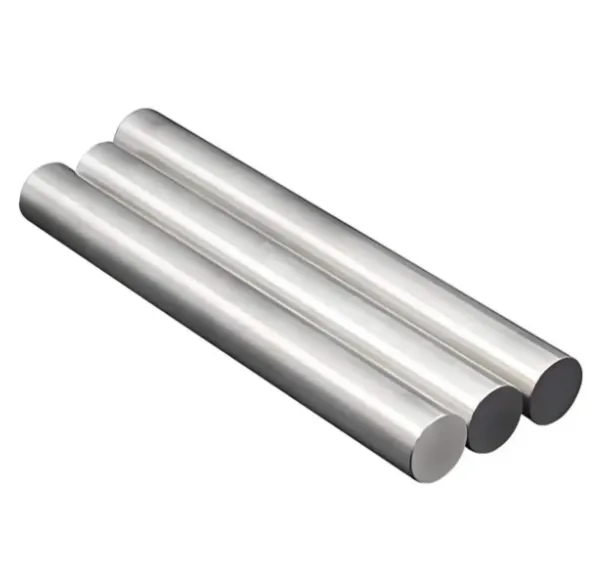
니트로닉 제품군: 니트로닉 50의 위치는 어디인가요?
Nitronic 시리즈는 여러 가지 등급으로 구성되어 있으며, 각 등급은 서로 다른 물성 우선순위에 최적화되어 있습니다. 니트로닉 50은 강도와 내식성이 동시에 극대화되는 위치에 있어 구조 및 해양 분야에서 가장 많이 지정되는 등급입니다.
| 등급 | UNS | 기본 힘 | 주요 특징 |
|---|---|---|---|
| 니트로닉 32 | S24100 | 보통 | 낮은 니켈, 비용 중심 |
| 니트로닉 33 | S24000 | 보통 | 높은 Mn, 비자성 |
| 니트로닉 40 | S21900 | Good | 니트로닉 50보다 높은 Mn |
| 니트로닉 50 | S20910 | 우수 | 최고의 강도-부식 균형 |
| 니트로닉 60 | S21800 | Good | 뛰어난 내마모성/내갈림성 |
니트로닉 50의 화학 성분 및 사양 요구 사항
니트로닉 50(UNS S20910)의 화학 성분은 ASTM A276, ASTM A479, ASTM A582 등 해당 표준에 따라 지정되어 있습니다. 이 구성은 세심하게 설계된 원소들의 균형을 나타내며, 각 원소는 합금의 성능 프로필에 특정 기능을 제공합니다.
니트로닉 50 화학 성분(UNS S20910 / XM-19)
| 요소 | 최소(%) | 최대(%) |
|---|---|---|
| 크롬(Cr) | 20.50 | 23.50 |
| 니켈(Ni) | 11.50 | 13.50 |
| 망간(Mn) | 4.00 | 6.00 |
| 질소(N) | 0.20 | 0.40 |
| 몰리브덴(Mo) | 1.50 | 3.00 |
| 실리콘(Si) | - | 1.00 |
| 콜럼븀(Nb)/바나듐(V) | 0.10(각각, 최소) | 0.30(각각, 최대) |
| 탄소(C) | - | 0.06 |
| 인(P) | - | 0.040 |
| 유황(S) | - | 0.030 |
| 철(Fe) | 잔액 | 잔액 |
각 주요 요소의 기능
크롬(20.50-23.50%): 내식성의 기초. 20.5-23.5%의 니트로닉 50은 316L(16-18%) 또는 317L(18-20%)보다 훨씬 많은 크롬을 함유하고 있어 더욱 견고한 패시브 산화막을 형성하고 피팅 및 틈새 부식에 대한 저항성을 향상시킵니다. 크롬은 또한 고온에서의 산화 저항성에도 기여합니다.
질소(0.20-0.40%): 니트로닉 50을 기존 오스테나이트 스테인리스강과 차별화하는 결정적인 요소입니다. 고용체의 질소는 탄소가 강철을 강화하는 것과 동일한 메커니즘인 간질성 고용체 경화를 통해 오스테나이트를 강화하지만 민감화 위험은 없습니다. 질소가 0.10% 증가할 때마다 항복 강도는 약 10,000psi(69MPa) 증가합니다. 또한 질소는 오스테나이트 상을 안정화하여 냉간 가공 시 마르텐사이트 형성의 위험을 줄이고 패시브 필름 안정성을 향상시켜 피팅 내식성을 개선합니다.
니켈(11.50-13.50%): 질소 및 망간과 함께 오스테나이트 미세 구조를 안정화합니다. 니트로닉 50의 니켈 함량은 316L과 비슷하지만 질소와 망간도 오스테나이트 안정성에 기여하기 때문에 상온 이하에서 완전한 오스테나이트 구조를 유지하는 합금입니다.
몰리브덴(1.50-3.00%): 염화물 환경에서 피팅 및 틈새 부식에 대한 저항성을 크게 향상시킵니다. 몰리브덴은 패시브 층의 파손을 복구하는 몰리브데이트 종을 형성하여 패시브 필름의 안정성을 향상시킵니다. 높은 크롬, 질소, 몰리브덴의 조합으로 Nitronic 50은 316L보다 훨씬 높은 피팅 저항 등가수(PREN)를 제공합니다.
망간(4.00-6.00%): 부분적인 니켈 대체제로서 오스테나이트 안정화를 제공하고 용융물의 질소 용해도를 향상시킵니다. 망간 함량이 높을수록 응고 시 질소 다공성 형성 없이 제강 시 더 많은 질소를 첨가할 수 있습니다.
콜럼븀(니오븀) 및 바나듐(각각 0.10-0.30%): 이러한 미세 합금 원소는 입자 경계를 고정하고 입자 크기를 개선하며 강도를 강화하는 미세 카바이드 및 질화물 침전물(MC, MN 유형)을 형성합니다. 이러한 미세 침전물은 적당한 온도에서 거칠어지지 않기 때문에 Nitronic 50이 용접 및 열 노출 후에도 강도의 이점을 유지하는 핵심적인 이유입니다.
니트로닉 50에 대한 PREN 계산
피팅 저항 등가 수(PREN)는 다음과 같이 계산됩니다:
PREN = %Cr + 3.3(%Mo) + 16(%N)
니트로닉 50의 중간 범위 컴포지션 값 사용:
pren = 22.0 + 3.3(2.25) + 16(0.30) = 22.0 + 7.43 + 4.80 = =. 34.2
이 PREN 값은 316L(약 24-26)을 초과하고 듀플렉스 2205(약 35-38)에 근접하는 수치로, 많은 해양 및 화학 서비스 사양에서 니트로닉 50이 듀플렉스 스테인리스 스틸과 직접 경쟁하는 이유를 설명합니다.
니트로닉 50 라운드 바의 기계적 및 물리적 특성
니트로닉 50 라운드 바의 기계적 특성 프로파일은 이 합금을 처음 접하는 엔지니어들이 지속적으로 놀라게 하는 요소입니다. 항복 강도, 최종 인장 강도 및 어닐링 상태에서의 연신율의 조합은 오스테나이트 스테인리스강으로서는 정말 탁월한 수준입니다.
니트로닉 50 라운드 바의 기계적 특성(어닐링 상태)
| 속성 | 니트로닉 50 어닐링 | ASTM 최소(A276/A479) |
|---|---|---|
| 인장 강도 | 100,000-115,000 psi(690-793 MPa) | 100,000psi(690MPa) |
| 항복 강도(0.2% 오프셋) | 55,000~75,000psi(379~517MPa) | 55,000psi(379MPa) |
| 2인치 단위의 신장 | 35-55% | 최소 35% |
| 면적 감소 | 55-70% | 최소 55% |
| 브리넬 경도 | 241-285 HBW | 최대 285 HBW |
| 차피 충격(-196°C에서) | 100-150 J | 우수(깨지기 쉬운 전환 없음) |
냉간 가공 / 냉간 인발 상태 속성
드로잉 또는 압연을 통한 냉간 가공 니트로닉 50 원형 바는 변형에 의한 마르텐사이트 변형에 저항하는 질소 안정화 오스테나이트로 인해 상당한 연성을 유지하면서 강도를 더욱 높입니다.
| 조건 | 인장 강도 | 수율 강도 | 신장 |
|---|---|---|---|
| Annealed | 100,000-115,000 psi | 55,000-75,000 psi | 35-55% |
| 20% 냉간 가공 | 130,000-155,000 psi | 110,000-135,000 psi | 20-30% |
| 40% 냉간 가공 | 160,000-185,000 psi | 140,000-165,000 psi | 12-20% |
| 60% 냉간 가공 | 185,000-210,000 psi | 165,000-190,000 psi | 8-15% |
이러한 냉간 가공 강화 거동은 해양용 패스너 산업에서 활용되며, 냉간 가공 또는 냉간 인발식 니트로닉 50 볼트 및 스터드는 열처리 없이 150,000psi 이상의 강도 수준을 달성하면서 완전 오스테나이트 미세 구조의 내식성을 유지합니다.
니트로닉 50의 물리적 특성(UNS S20910)
| 물리적 속성 | 가치 |
|---|---|
| 밀도 | 7.88g/cm³(0.285lb/in³) |
| 녹는 범위 | 1,371~1,399°C(2,500~2,550°F) |
| 열 전도성 | 20°C에서 14.2W/m-K |
| 비열 용량 | 502 J/kg-°C |
| 열팽창 계수 | 15.9µm/m-°C(20-100°C) |
| 전기 저항 | 20°C에서 82µΩ-cm |
| 탄성 계수 | 197 GPa(28.6 × 10⁶ psi) |
| 자기 투과성(어닐링) | 1.003-1.010(본질적으로 비자성) |
어닐링된 상태에서 Nitronic 50의 매우 낮은 자기 투과성은 강자성 물질이 허용되지 않는 지뢰 제거 장비, MRI 호환 하드웨어, 민감한 전자기 계측기 등의 응용 분야에 매우 중요합니다. 냉간 가공 후 측정 가능한 강자성이 발생할 수 있는 304 또는 316 스테인리스강과 달리 Nitronic 50의 질소 안정화 오스테나이트는 중간 정도의 냉간 가공 후에도 비자성을 유지하므로 최대 투과성 한계를 지정하는 응용 분야에서 상당한 이점이 있습니다.
니트로닉 50이 우수한 강도를 달성하는 방법: 질소 강화 메커니즘
니트로닉 50이 기계적 강도에서 기존 스테인리스 스틸 등급보다 우수한 이유를 제대로 이해하려면 단순히 물성 수치를 액면 그대로 받아들이기보다는 근본적인 야금 메커니즘을 이해하는 것이 도움이 됩니다.
질소에 의한 간질성 고체 용액 강화
질소 원자는 철과 합금 원소 원자 사이의 공간인 FCC 오스테나이트 결정 격자에서 간극 위치를 차지할 수 있을 정도로 작습니다. 질소가 이러한 위치에 자리 잡으면 전위의 이동을 방해하는 국부적인 격자 왜곡이 발생합니다. 소성 변형(항복)에는 전위 운동이 필요하므로 이 운동을 더 어렵게 만들면 항복 강도가 직접적으로 높아집니다.
이 메커니즘은 탄소가 강철을 강화하는 방식과 유사하지만, 고용체의 질소는 스테인리스 스틸의 탄소보다 두 가지 중요한 이점이 있습니다:
민감성 위험 없음: 오스테나이트계 스테인리스강에서 고체 용해도 한계를 초과하는 탄소는 450~850°C로 천천히 냉각되는 동안 입자 경계에서 크롬 카바이드(Cr₂₃C₆)로 침전됩니다. 이는 경계 영역에서 크롬을 고갈시키고 "입계 부식"이라고 하는 내식성의 국부적 손실인 민감화를 유발합니다. 질소는 상당히 높은 온도와 낮은 크롬 농도에서만 질화크롬을 형성하기 때문에 Nitronic 50은 고탄소 오스테나이트 등급보다 감작에 훨씬 더 강합니다.
직접적인 피팅 저항 기여도: 패시브 필름 영역의 용존 질소는 피트 개시 부위에 암모늄 이온(NH4+)을 형성하여 피트 저항성을 적극적으로 개선합니다. 이러한 종은 국소 pH를 높여 피트 전파를 억제합니다. 즉, 질소는 합금을 강화하는 동시에 내식성을 개선하는 두 가지 역할을 하므로 PREN 공식에 16배율의 질소가 포함되어 있습니다.
Nb 및 V 첨가로 인한 강수량 강화
니트로닉 50에 첨가된 콜럼븀(니오븀)과 바나듐은 미세한 탄화물 입자(Nb(C,N) 및 V(C,N))를 형성하여 추가적인 침전 강화 및 입자 경계 고정에 기여합니다. 이러한 입자는 최대 약 650°C의 온도에서도 거칠어지지 않으므로 용접 또는 중간 정도의 열 노출 후에도 일반 오스테나이트 강종에 비해 의미 있는 강도 우위를 유지합니다.
이러한 다중 메커니즘 강화 접근 방식(고용체 질소+Nb/V 탄산염의 침전+망간 고용체 효과)을 통해 Nitronic 50은 완전히 어닐링된 단상 오스테나이트 상태를 유지하면서 강도 목표를 달성할 수 있습니다.
해양, 화학 및 산업 환경에서의 니트로닉 50의 내식성
Nitronic 50의 부식 성능은 엔지니어들이 표준 316L 또는 317L 스테인리스강보다 이 소재를 선택하는 주요 이유입니다. 올바른 소재 선택을 위해서는 이 소재의 장점과 한계를 이해하는 것이 필수적입니다.
부식 성능 요약
| 환경 | 니트로닉 50 성능 | 316L과 비교 |
|---|---|---|
| 바닷물(흐르는 물) | 우수 | 훨씬 개선됨 |
| 바닷물(고인 물/틈새) | Good | 눈에 띄게 개선 |
| 염화물 용액(중성 pH) | 우수 | 큰 폭으로 개선 |
| 황산 희석 | Good | 317L와 비교 |
| 인산 | Good | 316L보다 우수 |
| 질산(희석-중간) | 우수 | 비교 가능 |
| 염산 | 제한적 | 유사한 제한 사항 |
| 가성 소다(NaOH) | Good | 비교 가능 |
| 유기산 | 우수 | 더 나은 것과 비교 |
| 습한 대기(염화물) | 우수 | 우수 |
| 틈새 부식(바닷물) | Good | 대폭 개선 |
| 응력 부식 균열(SCC) | 우수한 저항 | 316L보다 우수 |
바닷물 속 피팅 및 틈새 부식
바닷물에서의 피팅 부식은 선박용 스테인리스강 부품에서 가장 흔한 고장 모드이며, 316L에 비해 Nitronic 50의 PREN 이점이 가장 실질적으로 중요한 분야입니다. 3.5% NaCl 용액에서 임계 동공 온도(CPT)를 측정한 결과, 316L의 경우 15-20°C인 반면, Nitronic 50은 40-55°C 범위에서 CPT 값을 달성하는 것으로 나타났습니다. 이는 니트로닉 50이 316L을 몇 주 안에 핏팅할 수 있는 따뜻한 연안 바닷물 조건에서도 견딜 수 있음을 의미합니다.
틈새 내식성도 비슷한 패턴을 따릅니다. 바닷물에서 Nitronic 50의 틈새 부식 온도(CCT)는 약 25-35°C로 316L의 0-5°C CCT를 크게 상회합니다. 실질적으로 이는 개스킷 조인트 또는 따개비 오염 아래의 Nitronic 50 패스너, 샤프트 및 피팅이 316L이 견딜 수 없는 해양 노출을 견뎌낸다는 것을 의미합니다.
응력 부식 균열 저항
염화물 환경에서의 응력 부식 균열(SCC)은 인장 응력을 받는 오스테나이트 스테인리스강에서 중요한 문제입니다. 질소 함량이 높아 변형에 의한 마르텐사이트 형성에 대해 오스테나이트가 안정화되고 합금 함량이 높아 패시브 필름 파괴에 대한 열역학적 추진력이 감소하기 때문에 염화물 용액에서 316L보다 더 우수한 SCC 저항성을 보여줍니다. 그러나 Nitronic 50은 가혹한 조건(고온, 고응력, 농축 염화물)에서 SCC에 영향을 받지 않으므로 설계자는 이러한 환경에서 적절한 응력 제한을 적용해야 합니다.
임계 피팅 온도 데이터
| 재료 | 3.5% NaCl(°C)의 CPT | PREN(약) |
|---|---|---|
| 316L | 15-20 | 24-26 |
| 317L | 22-28 | 28-32 |
| 니트로닉 50(S20910) | 40-55 | 33-36 |
| 듀플렉스 2205(S31803) | 35-50 | 35-38 |
| 슈퍼 듀플렉스 2507(S32750) | 70-85 | 42-45 |
| 904L(N08904) | 60-75 | 36-40 |
니트로닉 50 대 316L, 317L, 듀플렉스 2205 및 기타 경쟁 등급
Nitronic 50의 소재 선택 결정에는 일반적으로 316L 스테인리스, 317L 스테인리스, 듀플렉스 2205, 때로는 6Mo 초오스테나이트 등급과 비교하는 것이 포함됩니다. 각 비교는 설계를 지배하는 특성에 따라 다른 결과를 가져옵니다.
종합 등급 비교표
| 속성 | 니트로닉 50 S20910 | 316L S31603 | 317L S31703 | 듀플렉스 2205 S31803 | 6Mo AL-6XN N08367 |
|---|---|---|---|---|---|
| 항복 강도(어닐링) | 최소 55,000psi | 최소 25,000psi | 최소 25,000psi | 최소 65,000psi | 최소 45,000psi |
| 인장 강도 | 최소 100,000psi | 최소 70,000psi | 최소 70,000psi | 최소 90,000psi | 최소 95,000psi |
| PREN(약) | 33-36 | 24-26 | 28-32 | 35-38 | 46-48 |
| 자기(어닐링) | 비자기 | 비자기 | 비자기 | 약간 자성 | 비자기 |
| 최대 염화물(ppm, 주변) | ~5,000 | ~200 | ~500 | ~5,000 | >10,000 |
| 극저온 인성 | 우수 | Good | Good | 제한적 | Good |
| SCC 저항 | Good | 보통 | 보통 | 매우 좋음 | 우수 |
| 용접성 | Good | 우수 | Good | 좋음(주의) | Good |
| 상대적 재료비 | 보통-높음 | 기준선 | 보통 | 보통 | 높음 |
| 냉간 작업 강화 | 우수 | 보통 | 보통 | 제한적 | 보통 |
니트로닉 50 대 316L: 가장 빈번한 업그레이드 결정
엔지니어로부터 가장 많이 받는 질문은 특정 애플리케이션을 위해 316L에서 Nitronic 50으로 업그레이드할지 여부입니다. 결정 프레임워크는 간단합니다:
언제 Nitronic 50으로 업그레이드하세요:
- 기계적 강도 요구 사항은 어닐링된 316L이 제공할 수 있는 수준을 초과합니다(수율 > 25ksi로는 충분하지 않음).
- 이 성분은 20°C 이상의 온도에서 200ppm 이상의 바닷물 또는 염화물 용액에 존재합니다.
- 냉간 작업 후에는 비자성 동작을 보존해야 합니다.
- 설계 응력을 높여 크기와 무게를 줄이는 것이 최우선 과제입니다.
- 극저온 서비스가 관련되어 있습니다.
언제 316L을 사용하세요:
- 환경은 무해합니다(담수, 대기, 순한 화학 물질).
- 강도 요구 사항이 낮고 316L의 범위 내에 들어맞습니다.
- 예방 조치 없이 용접성을 극대화해야 합니다.
- 비용이 가장 큰 요인이며 환경이 업그레이드를 정당화하지 못합니다.
니트로닉 50 대 듀플렉스 2205: 미묘한 비교
Duplex 2205는 Nitronic 50과 비슷한 PREN과 더 높은 항복 강도(최소 65,000psi 대 55,000psi)를 제공하지만 페라이트-오스테나이트 미세 구조로 인해 Nitronic 50이 공유하지 않는 한계가 있습니다:
- Duplex 2205는 부분적으로 자성(약 50% 페라이트)이므로 비자기성 애플리케이션에는 적합하지 않습니다.
- Duplex 2205는 연성-취성 전이 문제가 발생하기 전 구조용 애플리케이션에 대해 약 -40°C의 낮은 온도 한계를 가지고 있습니다.
- 듀플렉스 2205 냉간 가공 강화는 페라이트 상이 질소 강화 오스테나이트와 다르게 가공 경화되기 때문에 더 제한적입니다.
- 듀플렉스 2205 용접은 50/50 페라이트-오스테나이트 비율을 유지하기 위해 엄격한 열 입력 제어가 필요하지만, 니트로닉 50 용접은 열 입력 변동에 덜 민감합니다.
극저온 서비스, 비자기 요구 사항, 냉간 가공 패스너 등 이러한 이중 제한이 중요한 응용 분야에서는 최소 항복 강도가 약간 낮지만 Nitronic 50이 더 나은 사양입니다.
유엔 S2010의 국제 표준 및 이에 상응하는 명칭
니트로닉 50은 주로 북미 지역 명칭이지만, 전 세계적으로 사용되며 국제 규격에도 다양한 명칭으로 등장합니다.
니트로닉 50 라운드 바에 적용되는 표준
| 표준 | 발급 기관 | 범위 |
|---|---|---|
| ASTM A276 | ASTM 국제 | 스테인리스 스틸 바 및 모양 |
| ASTM A479 | ASTM 국제 | 보일러 및 압력 용기용 스테인리스 스틸 바 |
| ASTM A582 | ASTM 국제 | 자유 가공 스테인리스 스틸 바 |
| ASTM A240 | ASTM 국제 | 플레이트, 시트 및 스트립(구성 참조) |
| ASME SA-276 | ASME | 보일러 및 압력 용기 코드 등가물 |
| ASME SA-479 | ASME | 압력 용기 바에 해당하는 BPV 코드 |
| AMS 5764 | SAE AMS | 항공우주용 바, 와이어 및 단조품 |
| NACE MR0175 / ISO 15156 | NACE/ISO | 사워 서비스 자격 |
| EN 10272 | CEN | 압력 용기용 스테인리스 스틸 바 |
유엔 S2010에 대한 국제 지정
| 국가/표준 | 지정 |
|---|---|
| 미국(UNS) | S20910 |
| 미국(ASTM) | XM-19 |
| 미국(상표명) | 니트로닉 50 |
| 유럽(EN) | 1.3816 |
| 독일(Werkstoff) | X2CrNiMnMoNNb 21-16-5-3 |
| 일본(JIS) | 직접적인 JIS 등가물 없음(S2010 참조) |
| 중국(GB) | 022Cr21Ni13Mo2N(근사치) |
니트로닉 50은 JIS 또는 중국 GB 표준에서 널리 채택된 등가물이 없으므로 아시아 공장에서 조달하는 경우 일반적으로 여전히 ASTM/UNS 지정을 직접 참조한다는 점에 유의할 필요가 있습니다. 해외 소싱 시에는 "동등" 클레임에 따라 구성이 다른 소재를 받지 않도록 UNS S2010 및 해당 ASTM 표준이 명시된 MTR을 요구할 것을 강력히 권장합니다.
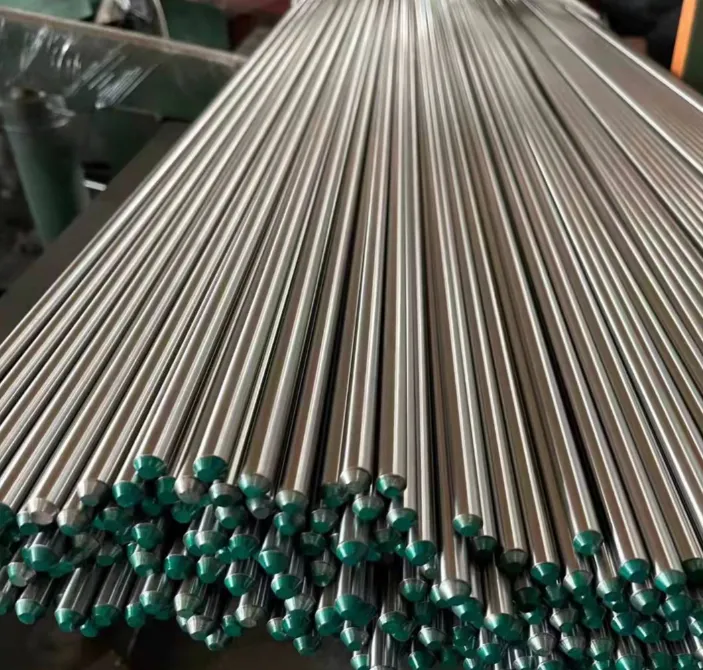
니트로닉 50 라운드 바를 지정하는 산업 및 엔지니어링 애플리케이션
Nitronic 50 라운드 바의 성능 프로파일은 다른 스테인리스 재종이 한 가지 이상의 중요한 특성에서 부족한 산업군에 적합합니다.
조선 및 해양 엔지니어링
해양 분야는 니트로닉 50 라운드 바의 가장 큰 단일 최종 사용 분야입니다. 고강도, 해수 내식성 및 비자성 특성의 조합은 해양 엔지니어링의 여러 과제를 해결합니다:
- 프로펠러 샤프트 및 러더 스톡: 316L에 비해 항복 강도가 우수하여 샤프트 직경이 작아져 동등한 토크 용량을 확보하고 항력과 무게를 줄일 수 있습니다. 내식성이 뛰어나 장기간 바닷물에 담가도 316L의 단점인 급격한 구멍이 생기지 않습니다.
- 해양용 패스너: 어닐링 또는 냉간 가공된 상태의 Nitronic 50 육각 볼트, 스터드 및 너트는 해수 환경에서 316L 패스너보다 훨씬 뛰어난 성능을 발휘합니다. 냉간 가공된 Nitronic 50 패스너는 B8M 클래스 2(냉간 가공된 316) 패스너와 동등한 강도를 달성하면서 내식성은 더 우수합니다.
- 탯줄 종결 피팅: 해저 오일 및 가스 엄빌리칼 시스템에서 Nitronic 50 피팅과 튜브 엔드 커넥터는 높은 기계적 부하와 수심에서의 해수 노출을 모두 견뎌냅니다.
- 해군 기뢰부설선: 지뢰 제거용 선박의 비자성 샤프트 및 구조 부품은 모든 수준의 냉간 가공에서 소재의 비자성 특성이 필수적인 전형적인 Nitronic 50 적용 분야입니다.
석유 및 가스 생산
- 다운홀 완공 장비: 펌프 샤프트, 맨드릴 및 전기 수중 펌프(ESP) 스트링의 잠금 구성품.
- 웰헤드 커넥터 핀 및 잠금 요소: 웰헤드 어셈블리의 고강도, 부식 방지 잠금 메커니즘.
- 해저 밸브 스템 및 액추에이터 샤프트: 내해수성과 높은 기계적 부하가 결합된 애플리케이션.
- H2S 함유 환경: NACE MR0175 / ISO 15156에 따라 최대 경도가 35 HRC인 어닐링된 니트로닉 50은 다양한 구성에서 신맛이 나는 서비스에 사용할 수 있습니다.
화학 및 공정 산업
- 염화물 함유 공정 유체의 펌프 샤프트: 염화나트륨 염수, 표백제 용액 및 염소 처리 시스템에서 316L보다 우수한 성능을 발휘하는 니트로닉 50 샤프트 스톡
- 교반기 샤프트: 중간 정도의 부식성 용액을 취급하는 혼합 용기를 위한 고강도 샤프트로, 316L의 오버사이즈 섹션이 필요합니다.
- 열교환기 튜브 지지대 및 타이로드: 이 소재의 열 안정성과 내식성은 염화물이 함유된 냉각수를 취급하는 공정 열교환기에 적합합니다.
바이오메디컬 및 제약
니트로닉 50은 냉간 가공 후 높은 표면 경도, 비자기성, 체액 환경에서의 우수한 내식성이 중요한 수술 기구, 정형외과 임플란트 툴링 및 제약 가공 장비에 적용되고 있습니다.
극저온 및 저온 엔지니어링
- LNG 설비 구성 요소: 162°C에서 작동하는 액화 천연 가스(LNG) 이송 및 저장 시스템의 펌프 샤프트, 밸브 스템 및 구조용 패스너.
- 액체 질소 취급 장비: 극저온 연구 시설의 구조물 및 기계 부품을 지원합니다.
- 항공우주 극저온 시스템: 300 시리즈 스테인리스강 인성이 불충분한 액체 산소 및 액체 수소 추진 시스템의 구조용 패스너 및 샤프트 구성품.
구조 및 건축 공학
내식성과 고강도가 공존해야 하는 구조물 분야에서는 Nitronic 50 원형 바가 사용됩니다:
- 케이블 고정 핀 및 클레비스 해양 환경 근처의 건축 장력 구조에 사용됩니다.
- 구조용 볼트 316L 피트와 A325 탄소강이 녹슬는 해안 및 교량 구조물에 사용됩니다.
- 락 앵커 로드 해양 지상 앵커링 애플리케이션에 사용됩니다.
니트로닉 50 바 스톡의 기계 가공성, 용접 및 제작
니트로닉 50은 가공 경화 오스테나이트 스테인리스 스틸로, 표준 탄소강이나 316L 스테인리스보다 가공 파라미터와 제작 절차에 더 많은 주의를 기울여야 합니다.
니트로닉 50의 가공성
니트로닉 50의 가공성 등급은 B1112 자유 가공강에 비해 약 35~45%입니다. 이 등급은 질소 및 망간 함량이 높아 가공 경화 속도와 절삭력이 증가하기 때문에 316L(약 50%)보다 낮습니다. 이 소재는 가공이 가능하지만 파라미터에 대한 세심한 주의가 필요합니다.
니트로닉 50 환봉의 권장 가공 파라미터
| 운영 | 도구 재질 | 절단 속도 | 피드 속도 | 컷 심도 | 냉각수 |
|---|---|---|---|---|---|
| 터닝(황삭) | 카바이드 C-2/C-3 | 30-60m/분 | 0.20-0.40 mm/rev | 2.0~5.0mm | 폭우 |
| 회전(마무리) | 카바이드 C-3/C-4 | 60-90m/분 | 0.10-0.20 mm/rev | 0.25-1.0mm | 폭우 |
| 드릴링 | HSS-Co / 카바이드 | 10-20m/분 | 0.05-0.15 mm/rev | - | 폭우 |
| 밀링 | 카바이드 인서트 | 40-70m/분 | 0.08-0.15 mm/치아 | 1.5-4.0mm | 폭우 |
| 탭 | HSS-Co | 3-8m/분 | 피치당 | - | 태핑 오일 |
| 지루함 | 카바이드 | 40-70m/분 | 0.10-0.20 mm/rev | 0.5-2.0mm | 홍수 |
Nitronic 50의 중요 가공 주의사항:
- 절대로 절삭 공구가 절단하지 않고 문지르거나 머무르지 않도록 하십시오. 이렇게 하면 표면이 단단해져 다음 작업이 기하급수적으로 어려워집니다.
- 포지티브 레이크 카바이드 형상을 사용하면 중립 또는 네거티브 레이크가 절삭력을 크게 증가시킵니다.
- 일관되고 공격적인 피드 유지 - 가벼운 피드는 마찰과 작업 경화를 유발합니다.
- 공구를 날카롭게 유지하세요. 공구가 무뎌지면 작업 경화 문제가 빠르게 증가합니다.
- 최대 냉각수 흐름을 사용하여 열 축적을 제어하세요.
용접 니트로닉 50 라운드 바
니트로닉 50은 대부분의 표준 융착 용접 공정에서 용접이 가능하지만 몇 가지 특정 주의 사항이 적용됩니다.
용접 매개변수 및 권장 사항
| 용접 매개변수 | 권장 사항 |
|---|---|
| 기본 프로세스 | GTAW(티그), GMAW(미그), SMAW |
| 필러 금속(TIG/MIG) | AWS ER209, ER219 또는 일치하는 컴포지션 필러 |
| 필러 금속(SMAW) | AWS E209 커버드 전극 |
| 예열 | 필요 없음(오스테나이트, 수소 균열 위험 없음) |
| 인터패스 온도 | 최대 150°C(300°F)로 왜곡 및 민감화 위험 제어 |
| 열 입력 | 보통; 감도 범위에서 시간을 연장하는 과도한 열 입력을 피하십시오. |
| 용접 후 열처리 | 최대 내식성이 필요한 경우 1,010-1,065°C(1,850-1,950°F)의 용액 어닐링 |
| 차폐 가스(TIG) | 용접 풀의 질소 손실을 보상하기 위한 아르곤 또는 아르곤/2% N₂ |
| 뒤로 퍼지 | 파이프 용접에 권장되는 아르곤 |
Nitronic 50 용접과 관련하여 중요한 고려 사항은 용접 풀에서 발생하는 질소 손실입니다. 용해된 간극 원소인 질소는 용융된 용접 풀에서 N₂ 가스로 빠져나갈 수 있습니다. 이로 인해 용접 금속의 질소 함량이 감소하여 용접 금속 강도와 내공극 저항이 모재 값 이하로 떨어질 수 있습니다. 모재보다 질소 함량이 약간 높은 필러 금속을 사용하거나 2% N₂를 차폐 가스에 첨가하면 이러한 손실을 보상하고 모재 사양에 가까운 용접 금속 특성을 유지할 수 있습니다.
극저온 성능 및 고온 동작
극저온 속성
니트로닉 50은 극저온에서도 우수한 인성을 유지하는데, 이는 완전 오스테나이트 FCC 미세 구조의 특징입니다. 영하의 온도에서 연성에서 취성으로 전이되는 페라이트계 또는 마르텐사이트계 강과 달리 Nitronic 50과 같은 질소 강화 오스테나이트 스테인리스강은 액체 질소 온도(-196°C/ -320°F) 이하에서도 높은 샤르피 충격값을 유지합니다.
저온에서 니트로닉 50 차피 충격 값
| 테스트 온도 | 차피 충격 에너지(종방향) |
|---|---|
| +20°C(68°F) | 150-220 J |
| -40°C(-40°F) | 130-200 J |
| -100°C(-148°F) | 120-180 J |
| -196°C(-320°F) | 100-160 J |
| -253°C(-423°F, 액체 H₂) | 80-140 J |
이러한 값은 ASME 압력 용기 코드 및 LNG 장비 사양에 대한 최소 인성 요구 사항을 크게 초과하므로 Nitronic 50은 극저온 구조 및 압력 함유 부품을 위한 검증된 선택입니다.
온도 상승 동작
니트로닉 50은 인코넬이나 인코로이 등급과 같은 의미의 고온 합금은 아니지만, 표준 316L에 비해 최대 약 650°C(1,200°F)에서 우수한 성능을 발휘합니다.
| 온도 | 니트로닉 50 항복 강도 | 316L 항복 강도 |
|---|---|---|
| 20°C | 379 MPa 분 | 170 MPa 분 |
| 200°C | 290 MPa | 130 MPa |
| 400°C | 240 MPa | 110 MPa |
| 600°C | 185 MPa | 90 MPa |
| 650°C | 165 MPa | 80 MPa |
650°C 이상에서는 카바이드 및 질화물 침전이 현저해지며 소재의 장점을 잃게 됩니다. 650°C 이상의 연속 서비스에는 니켈 기반 초합금 또는 고합금 오스테나이트 재종이 더 적합합니다.
MWalloys에서 사용 가능한 크기, 공차 및 재고 조건
MWalloys는 어닐링된 상태의 포괄적인 사이즈 범위의 니트로닉 50 원형 봉강 재고를 보유하고 있으며 맞춤형 냉간 가공 및 길이 절단 서비스를 제공합니다.
니트로닉 50 라운드 바 스톡 사이즈 범위
| 직경 범위 | 조건 | 표준 길이 | 허용 오차 |
|---|---|---|---|
| 6mm - 25mm | Annealed | 3,000-6,000 mm | ±0.20mm(H11) |
| 25mm - 75mm | Annealed | 3,000-6,000 mm | ±0.30mm(H11) |
| 75mm - 150mm | Annealed | 2,000-5,000 mm | ±0.50mm(H11) |
| 150mm - 250mm | Annealed | 1,500-4,000 mm | ±0.80 mm |
| 250mm - 400mm | 어닐링(주문 시) | 1,000-3,000 mm | 문의당 |
인치 크기 가용성
| 지름(인치) | 조건 | 표준 길이 |
|---|---|---|
| 1/4" - 1" | 어닐링 / 콜드 드로잉 | 10-12 피트 |
| 1" - 3" | Annealed | 10-12 피트 |
| 3" - 6" | Annealed | 10-12 피트 |
| 6" - 10" | 어닐링(주문 시) | 5-10 피트 |
MWalloys의 가공 서비스
- 길이에 맞게 자르기(톱 절단 ±1.5mm 또는 정밀 절단 ±0.5mm)
- 표면 스케일과 표면 근처의 불균일성을 제거하기 위한 러프 터닝.
- 정밀 공차에 따른 센터리스 연삭(H6, H7)
- 중요한 애플리케이션을 위한 ASTM A388에 따른 초음파 테스트.
- 압력 용기 애플리케이션에 대한 ASME SA-479 인증.
- 요청 시 이중 인증(ASTM A276 + ASTM A479)을 받을 수 있습니다.
MWalloys의 품질 인증 및 추적성 표준
MWalloys의 모든 니트로닉 50 원형 봉강은 사양 준수를 확인하는 완전한 추적 가능한 문서와 함께 배송됩니다.
표준 문서 패키지
| 문서 | 콘텐츠 | 표준 참조 |
|---|---|---|
| 밀 테스트 보고서(MTR) | 전체 화학, 기계적 특성, 열수 | ASTM A276 / A479 |
| 적합성 인증서 | 서명된 규정 준수 성명서 | 고객 사양 |
| 경도 테스트 보고서 | ASTM E10 기준 브리넬 경도 | ASTM A276 |
| 차원 보고서 | 직경, 길이, 직진도 측정 | ASTM A484 |
| 초음파 테스트 보고서 | 내부 무결성 확인 | ASTM A388(요청 시) |
| EN 10204 유형 3.1 | 타사 검증 MTR | EN 10204(요청 시) |
모든 인증의 디지털 아카이브를 최소 10년 동안 유지하여 최초 구매 후 몇 년이 지난 후에도 유지 관리, 규제 감사 또는 소송 지원을 위해 과거 자료 기록이 필요한 고객을 지원합니다.
니트로닉 50 라운드 바 견적 요청 방법
MWalloys는 니트로닉 50(UNS S20910 / XM-19) 라운드 바에 대한 빠르고 정확한 견적을 제공합니다. 정확한 견적을 생성하려면 다음 정보가 도움이 됩니다:
견적 체크리스트
| 항목 | 세부 정보 |
|---|---|
| 합금 지정 | 니트로닉 50 / UNS S2010 / XM-19 |
| 지름 | 인치 또는 밀리미터 단위로 지정 |
| 개당 길이 | 피트, 인치 또는 밀리미터 단위 |
| 총 수량 | 개수 또는 무게(파운드 또는 킬로그램) |
| 조건 | 어닐링, 냉간 인발, 스트레스 해소 |
| 적용 표준 | ASTM A276, A479, AMS 5764, ASME SA-276 등. |
| 필요한 인증 | 표준 MTR, EN 10204 3.1, NACE 준수 |
| 특별 테스트 | UT, PMI, 경도, 화학물질 재검사 |
| 배송 위치 | 국가, 도시, 항구(수출용) |
| 필수 배송 날짜 | 예약 및 배송 모드 선택 |
기술 영업팀은 영업일 기준 24시간 이내에 모든 문의에 응답하며, 표준 재고 사이즈의 경우 4시간 이내에 재고 여부와 가격을 확인할 수 있는 경우가 많습니다.
니트로닉 50 라운드 바에 대해 자주 묻는 질문
Q1: 316L 스테인리스강과 비교했을 때 니트로닉 50의 항복 강도는 어느 정도인가요?
어닐링 상태의 니트로닉 50은 ASTM A276 및 A479에 따라 최소 항복 강도가 55,000psi(379MPa)입니다. 어닐링 상태의 표준 316L 스테인리스 스틸은 동일한 표준에 따라 최소 항복 강도가 25,000psi(170MPa)입니다. 즉, Nitronic 50은 동일한 단면 크기에서 316L보다 2배 이상의 항복 강도를 제공하므로 엔지니어는 더 가벼운 부품을 설계하거나 동일한 하중 용량을 위해 더 작은 단면을 사용할 수 있습니다. 냉간 가공 조건에서 Nitronic 50의 항복 강도는 150,000psi(1,034MPa)를 초과할 수 있습니다.
Q2: 니트로닉 50은 자성이 있나요?
어닐링 상태에서 Nitronic 50은 본질적으로 비자성이며 자기 투자율은 1.003-1.010 µ입니다. 이는 변형에 의한 마르텐사이트로 인해 냉간 가공 후 측정 가능한 강자성이 발생하는 304 및 316 스테인리스강에 비해 중요한 특성 이점입니다. 니트로닉 50 오스테나이트는 마르텐사이트 변형에 대해 질소에 의해 안정화되기 때문에 상당한 냉간 가공 후에도 비자성을 유지합니다. 따라서 해양 기뢰 제거용 부품, MRI 인접 하드웨어 및 비자성 구조 요소가 필요한 전자기 계측기에 선호되는 소재입니다.
Q3: Nitronic 50과 XM-19의 차이점은 무엇인가요?
두 소재는 동일한 소재입니다. XM-19는 ASTM A276 및 ASTM A479에 지정된 ASTM 특수 명칭이며, Nitronic 50은 Armco Steel에서 부여한 원래 상표명입니다. UNS S20910은 통합 번호 체계 식별자입니다. 세 가지 명칭은 모두 동일한 합금 구성을 나타냅니다. 밀 인증 또는 사양을 검토할 때 이러한 명칭 중 하나가 나타날 수 있습니다. MWalloys는 조달 혼동을 방지하기 위해 문서에서 모든 해당 명칭을 참조합니다.
Q4: Nitronic 50 라운드 바는 산성 서비스(H2S) 환경에서 사용할 수 있나요?
예, 조건이 있습니다. NACE MR0175 / ISO 15156은 용액 어닐링 조건에서 최대 경도가 35 HRC인 UNS S2010(니트로닉 50)을 사워 서비스 용도로 사용할 수 있도록 허용합니다. 이 소재는 경도 한계를 초과하여 냉간 가공해서는 안 되며, 서비스의 특정 온도, H2S 분압 및 pH 조건은 표준의 환경 심각도 표에 따라 평가되어야 합니다. Nitronic 50을 지정하기 전에 부식 엔지니어에게 의뢰하여 특정 사워 서비스 조건에 대한 적합성을 확인하는 것이 좋습니다.
Q5: 니트로닉 50을 용접할 때 어떤 용가재를 사용해야 하나요?
AWS ER209 또는 ER219 필러 메탈은 Nitronic 50의 GTAW(TIG) 및 GMAW(MIG) 용접에 권장됩니다. 이 필러에는 용접 중 용접 풀에서 손실되는 질소를 부분적으로 보완하는 질소 함량이 있습니다. 아르곤 보호 가스에 2% 질소를 첨가하면 질소 손실이 더욱 줄어들고 용접 금속 조성이 모재에 더 가깝게 유지됩니다. SMAW(스틱) 용접의 경우 AWS E209 피복 전극이 표준 사양입니다. 조인트 형상이 이 처리를 허용하는 경우 1,010-1,065°C(1,850-1,950°F)에서 용접 후 용액 어닐링을 하면 최대 내식성을 회복할 수 있습니다.
Q6: Nitronic 50은 316L과 비교했을 때 극저온에서 어떤 성능을 발휘하나요?
니트로닉 50은 -253°C(액체 수소 온도)의 극저온에서도 우수한 인성을 유지하며, -196°C에서도 일반적으로 80-160J 범위의 샤르피 충격 값을 나타냅니다. 이 성능은 극저온에서 인성은 적당하지만 낮은 인성을 보이는 표준 316L 스테인리스강보다 우수합니다. 더 중요한 것은 극저온에서 항복 강도가 더 높기 때문에(오스테나이트 스테인리스강은 온도가 낮아질수록 항복 강도가 실제로 증가합니다) 기본 강도가 높기 때문에 316L보다 LNG, 액체 산소 및 액체 수소 시스템의 구조 부품에 더 적합하여 벽이 더 얇고 부품이 더 가벼워집니다.
Q7: 니트로닉 50 라운드 바 출하와 관련하여 MWalloys는 어떤 인증을 제공합니까?
표준 문서에는 해당 ASTM 표준(A276, A479 또는 둘 다)에 따른 열 분석, 제품 분석 및 기계적 테스트 결과를 보여주는 공인 밀 테스트 보고서(MTR)와 적합성 인증서가 포함됩니다. 선택 인증에는 EN 10204 유형 3.1(타사 검증 MTR), NACE MR0175 규정 준수 문서, 항공우주 애플리케이션용 AMS 5764 인증, ASTM A388에 따른 초음파 테스트 보고서, ASTM E10에 따른 경도 테스트 보고서가 포함됩니다. 모든 문서는 물리적 재료에 스탬프 또는 태그가 찍힌 열 번호를 참조하여 완벽한 추적성을 보장합니다.
Q8: Nitronic 50 라운드 바의 최대 사용 온도는 얼마입니까?
Nitronic 50은 최대 약 650°C(1,200°F)까지 연속 사용이 가능합니다. 이 온도 이상에서는 니오븀 및 탄화 바나듐 침전물이 거칠어지기 시작하여 침전물 강화 기여도가 감소하고 일부 환경에서는 시그마 상 형성이 우려됩니다. ASME 압력 용기 애플리케이션의 경우, ASME 섹션 II 표의 허용 응력 값은 고온에서 적용됩니다. 650°C 이상의 애플리케이션의 경우, 고합금 오스테나이트 등급 또는 니켈 기반 합금을 평가해야 합니다. 온도 범위의 다른 쪽 끝에서 Nitronic 50은 인성에 대한 실질적인 하한 온도 제한이 없으므로 극저온부터 중간 정도의 고온 서비스까지 적합합니다.
Q9: Nitronic 50의 무료 가공 버전이 있나요?
ASTM A582는 자유 가공 스테인리스 스틸 바를 다루며 가공성을 향상시키기 위해 황이 첨가된 XM-19(Nitronic 50)를 포함합니다. 황 첨가(일반적으로 0.15-0.35%)는 칩 형성을 크게 개선하지만 표준 저유황 등급에 비해 내식성 및 횡방향 기계적 특성은 감소합니다. 자유 가공 Nitronic 50은 광범위한 가공이 필요하고 부식 환경이 최대 내피팅성을 요구하지 않는 커넥터, 피팅 및 패스너의 대량 스크류 기계 생산에 적합합니다. 해양 및 화학 서비스 응용 분야의 경우 ASTM A276 또는 A479에 따른 표준 저유황 등급이 올바른 사양입니다.
Q10: Nitronic 50의 비용은 316L 및 듀플렉스 2205와 어떻게 비교되나요?
니트로닉 50은 일반적으로 더 높은 합금 함량(크롬, 니켈, 몰리브덴, 질소, 니오브, 바나듐)과 더 복잡한 용융 및 가공 요건을 반영하여 316L 스테인리스 스틸의 동급 섹션에 비해 40-80%의 가격 프리미엄이 붙습니다. 듀플렉스 2205에 비해 가격은 일반적으로 니켈과 몰리브덴의 시장 상황에 따라 비슷하거나 약간 더 높습니다. 허용 응력이 높아 더 작은 단면을 사용할 수 있고, 부식 성능이 향상되어 유지보수 및 교체 비용이 절감되며, 저급 소재를 보호하기 위해 필요한 코팅 시스템이 필요하지 않다는 점 등 시스템의 총 비용을 고려할 때, Nitronic 50은 부품의 서비스 수명 동안 총 소유 비용이 더 낮은 경우가 많습니다. 고객이 파운드당 원자재 가격만을 기준으로 견적을 요청하기보다는 완성된 부품 요구 사항을 기준으로 견적을 요청할 것을 권장하며, 기술 팀이 이러한 분석을 지원할 수 있습니다.
MWalloys가 신뢰할 수 있는 니트로닉 50 라운드 바 제조업체 및 공급업체인 이유
우리는 기술적 신뢰성과 공급망 신뢰성이 공존해야 한다는 원칙을 바탕으로 MWalloys를 구축했습니다. 해군 건축가, 해양 엔지니어, 화학 플랜트 설계자, 정밀 기계 공장 등 당사의 고객들은 UNS S2010 요구 사항을 정확히 충족하고 완전한 문서와 함께 도착하며 계획된 일정에 맞춰 배송되는 Nitronic 50 소재에 의존하고 있습니다.
당사의 니트로닉 50 라운드 바 재고는 당사가 직접 품질 시스템을 감사하는 인증된 1차 공장에서 공급받습니다. 창고로 들어오는 모든 열연은 판매되기 전에 ASTM A276 및 A479 성분 한도에 따라 검증을 거칩니다. 경도 테스트, 치수 검증, MTR 검토는 추가 옵션이 아닌 표준 입고 프로토콜의 일부입니다.
니트로닉 50 원형 봉강에 대해 MWalloys에 문의하면 소재를 이해하고 응용 분야를 잘 알고 있으며 프로젝트에 필요한 사양을 확인하기 위해 올바른 질문을 하는 팀으로부터 견적을 받을 수 있습니다.
직경, 길이, 수량, 적용 가능한 표준을 알려주시면 지금 바로 기술 영업팀에 문의해 주세요. 영업일 기준 1일 이내에 재고 여부 확인 및 경쟁력 있는 견적을 회신해 드립니다.